
Ramayana: Rise of a Legend Retells a Story That Never Grew Old
Ranbir, Yash, Zimmer, Rahman and a ₹4,000-crore bet: the story you’ve known since childhood is about to be told as you’ve never seen it
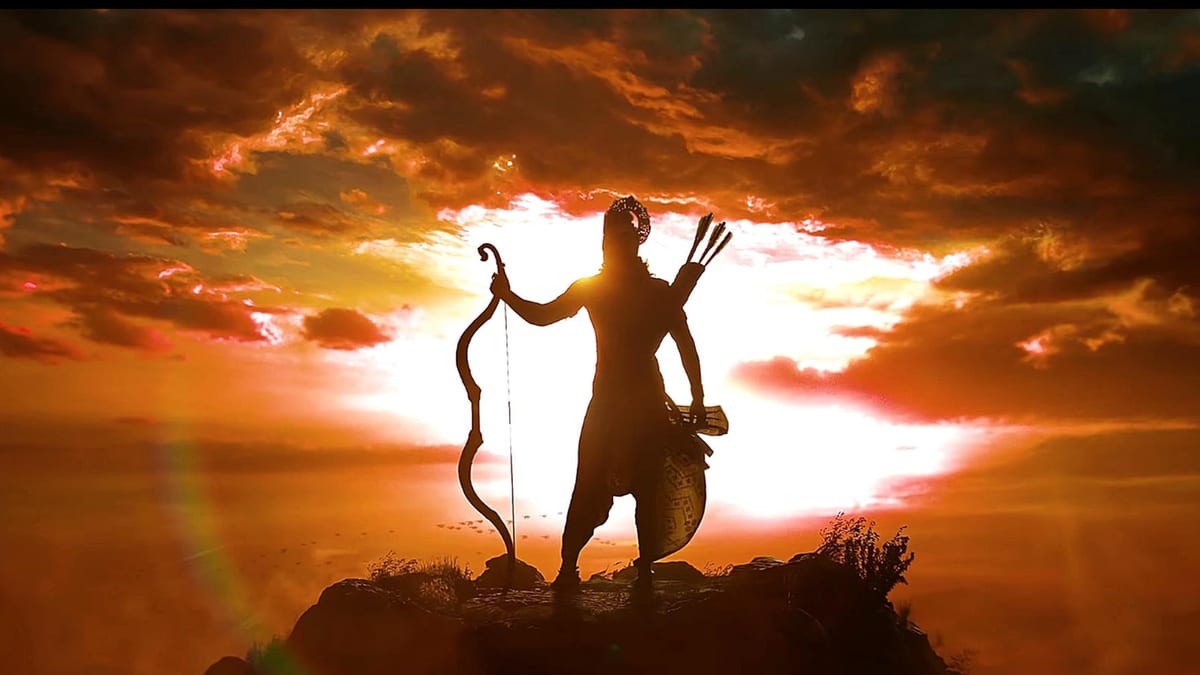
Synopsis
A tale heard and told at family gatherings, celebrated during festivals, and passed down through generations is now set for a grand, fresh cinematic retelling. With Ramayana: Rise of a Legend, director Nitesh Tiwari brings together Ranbir Kapoor, Sai Pallavi and Yash to reimagine one of India's most enduring epics. Blending mythical grandeur with ambitious filmmaking, the film raises an exciting question: how do you retell a story that almost everyone already knows? From its star-studded cast to its cultural significance, let's see if Ramayana: Rise of a Legend could find a new voice for a generation of moviegoers.
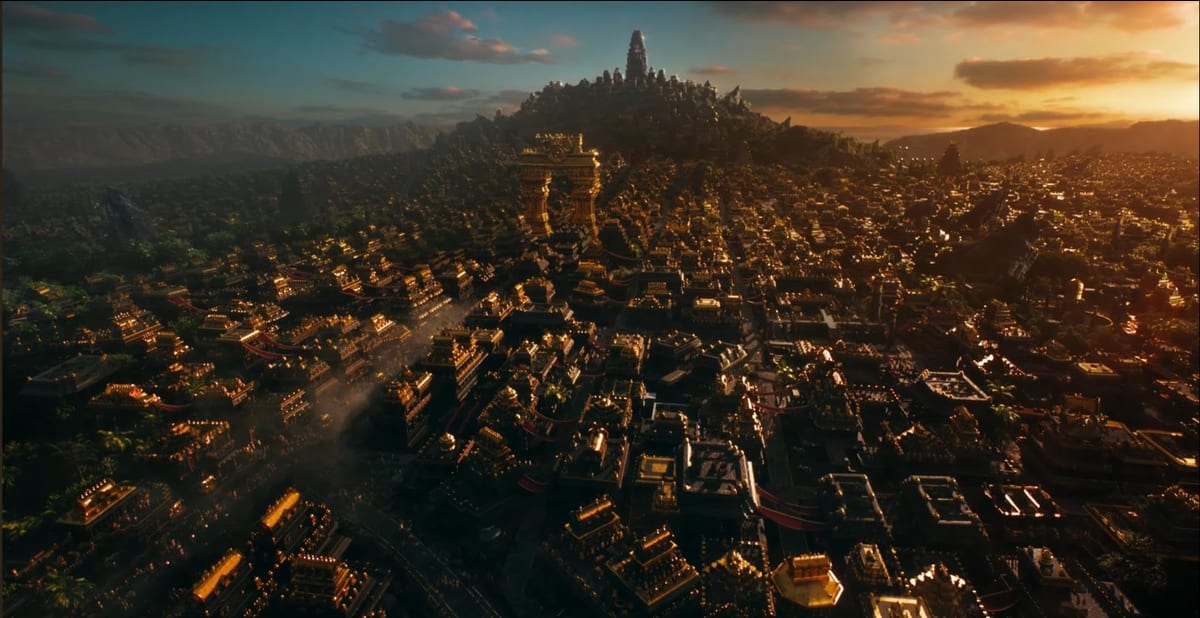
An Epic That Needs No Introduction
Based on an ancient Sanskrit epic written by sage Valmiki, the Ramayana follows Prince Rama, portrayed as the dutiful king and son, who goes from the golden halls of Ayodhya to the forests for a fourteen-year exile, as demanded through his father's promise. Accompanied by Sita and his brother Lakshmana, Rama's life takes a dramatic turn when Ravana, the powerful king of Lanka, abducts Sita.
The tale has many more layers to it than just this. It delves deep into the intricacies of devotion, familial bonds, love, sacrifice and internal and external struggles between good and evil. These themes have allowed the epic to travel across generations and cultures, with different communities interpreting its characters and events in their own ways. That is also what makes adapting it for modern cinema such a challenge. The audience already knows the story, but expectations surrounding how it should be told are enormous.
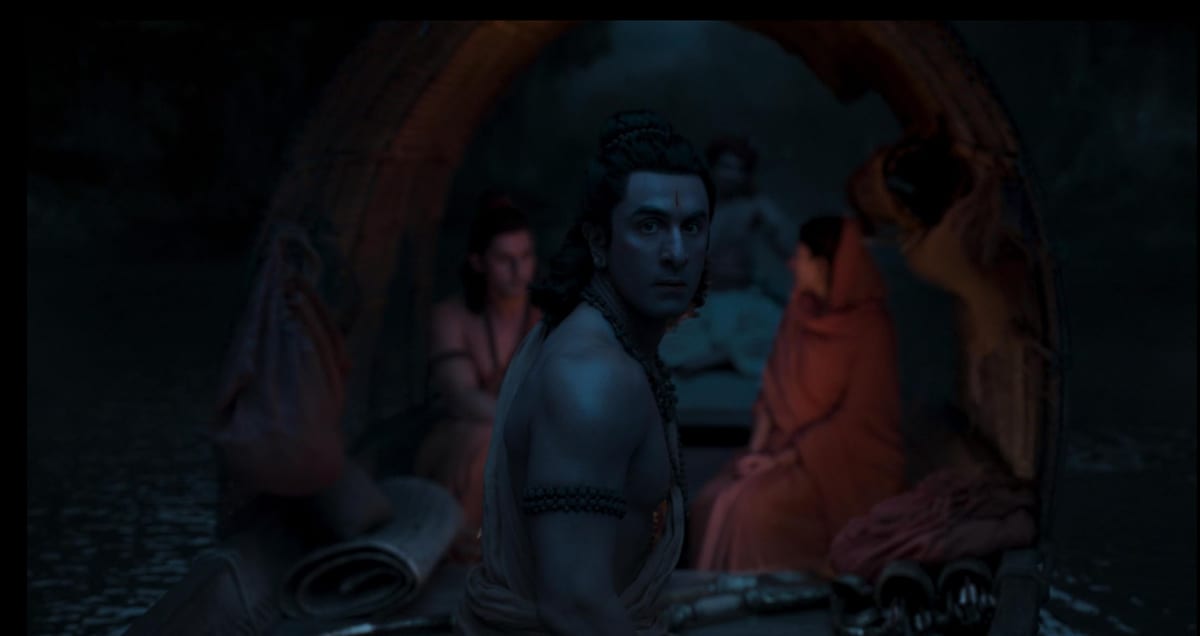
A Star-Studded Cast Brings the Characters to Life
One of the most talked aspect of the film is its ensemble cast. The film sees Ranbir Kapoor in the role of Lord Rama, with Sai Pallavi portraying Sita. Yash steps into the role of Ravana, while Ravi Dubey plays Lakshmana and Sunny Deol portrays Hanuman. Arun Govil, who played Rama in the iconic 1987 television series Ramayan, is also part of the cast as King Dasharatha.
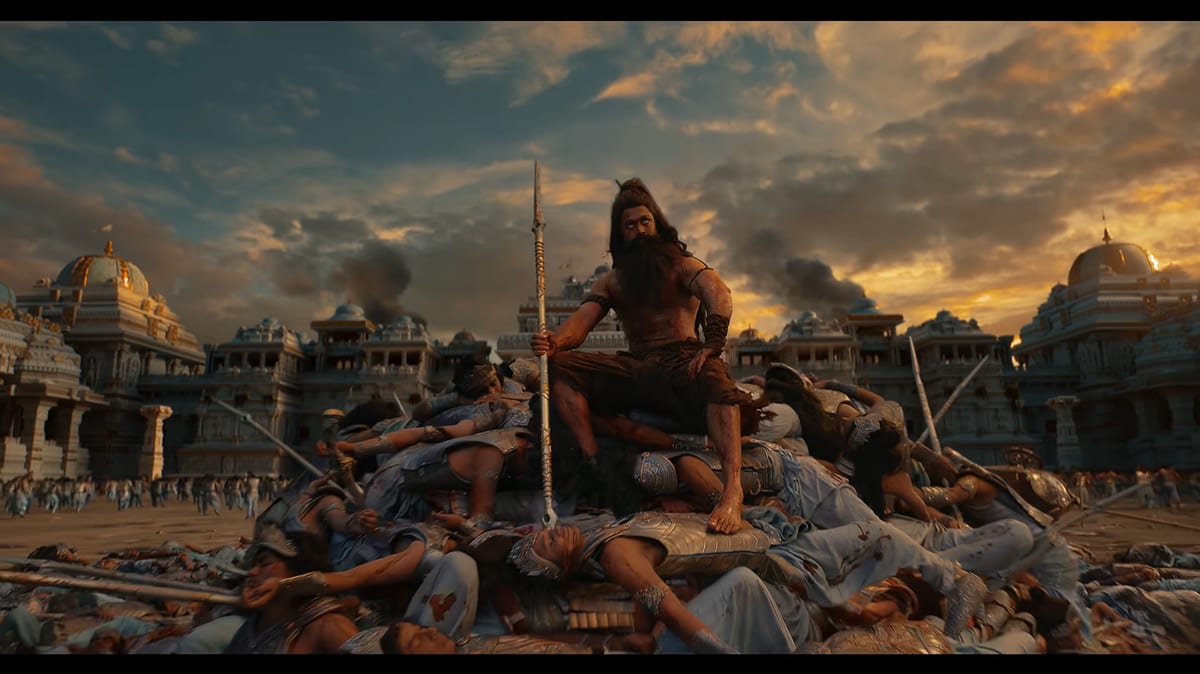
The interesting part about this project is also how the casting brings together actors with very different screen personas. While Ranbir’s portrayal of Rama would be interesting to watch given Rama’s stature in Indian mythology, Yash's transformation into Ravan is also something that has the audience’s curiosity piqued, as the actor is known to essay some very different kinds of roles.
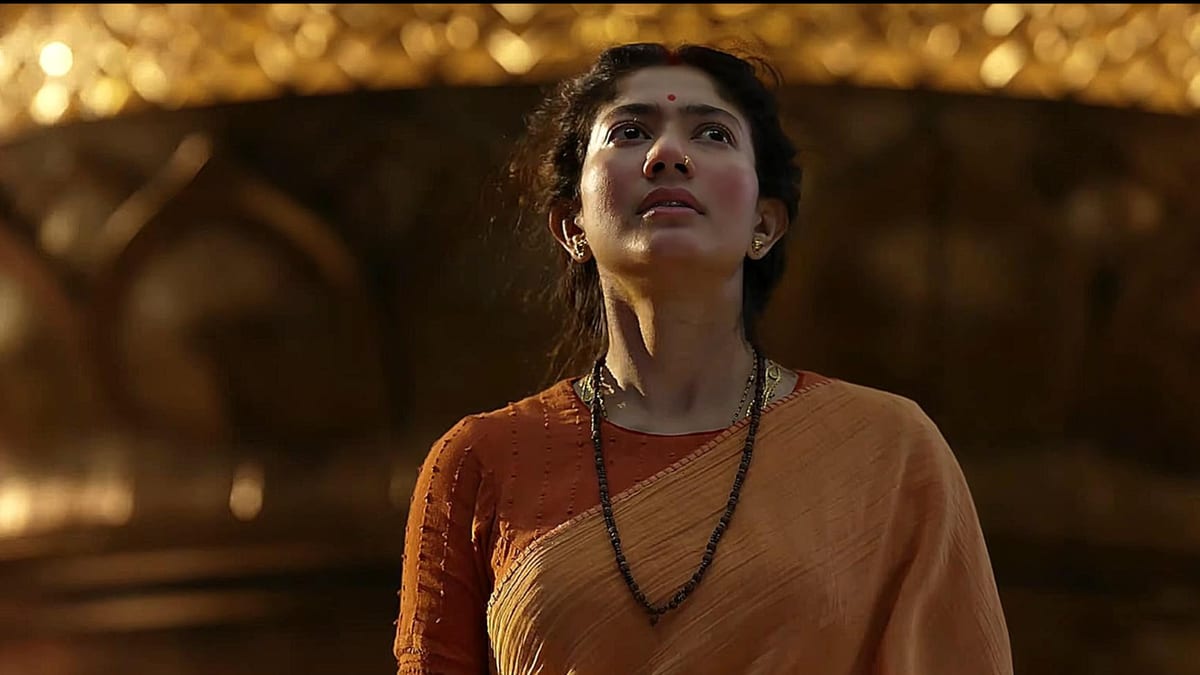
The challenge, mainly for the filmmakers, lies in breathing life into these familiar characters without losing sight of what they’ve represented for centuries. Rama's sense of duty, Sita's resilience, Lakshmana's loyalty and Ravana's ambition are all central to the story. How these qualities translate into performances could shape the way audiences experience this retelling.
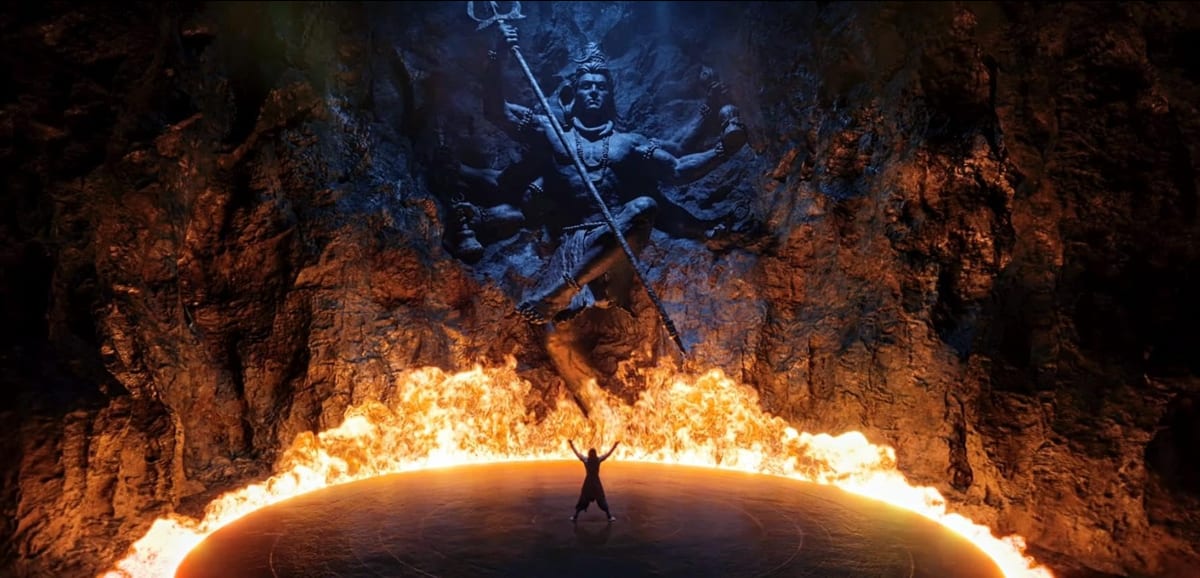
Hollywood-Scale Visuals Meet Indian Storytelling
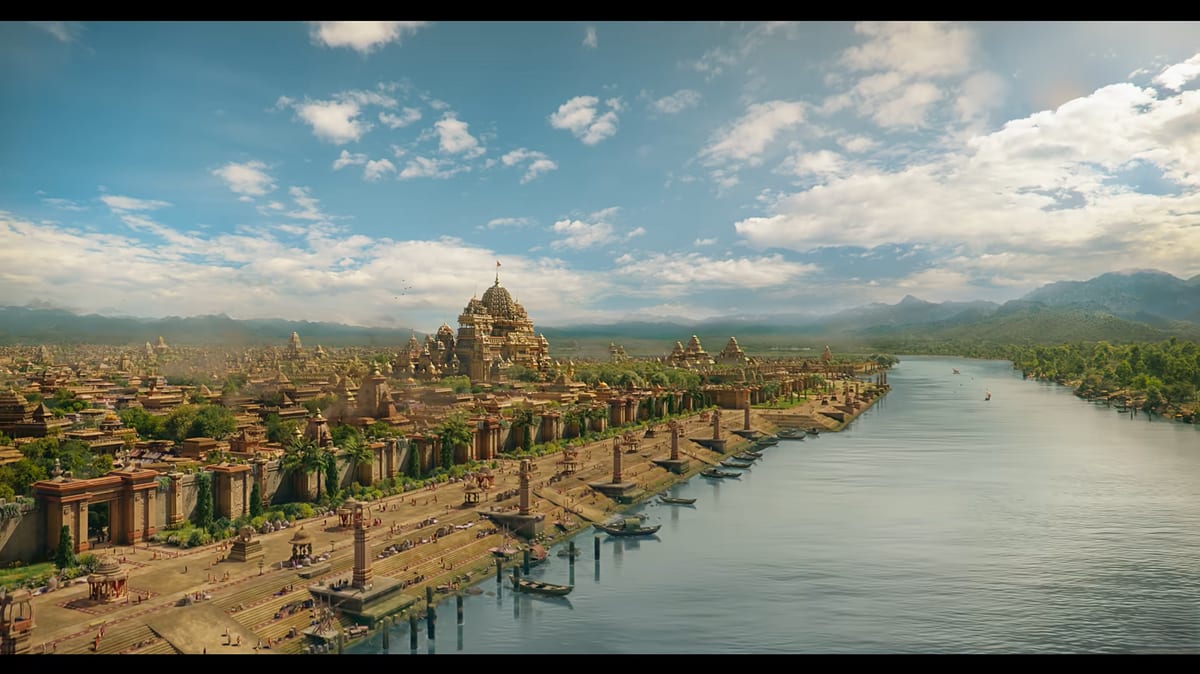
The film has also brought in an international creative team. Visual effects company DNEG, run by Namit Malhotra, has provided the special effects for movies like Interstellar and Dune among other projects, making his involvement as the producer a bonus talking point. The music, meanwhile, has been composed by Oscar-winning Hans Zimmer and one of India's most celebrated composers, A.R. Rahman, an unlikely but highly anticipated collaboration. With Nitesh Tiwari, known for directing Dangal, at the helm, the project promises to combine large-scale filmmaking with a story deeply rooted in Indian tradition.
The ambition is clear: to create a cinematic experience that can hold its own on the world's biggest screens while remaining connected to its cultural origins. The film is planned as a two-part franchise, allowing the story to take its time to unfold rather than squeezing the entire epic into a single instalment. But beyond the dazzling spectacle, the project must succeed as a film, with performances, visual effects and music combining to create an emotional impact. It can only be hoped that the film's creators' bold vision will come off, and the film's emotions will not be overshadowed by its dazzling effects.
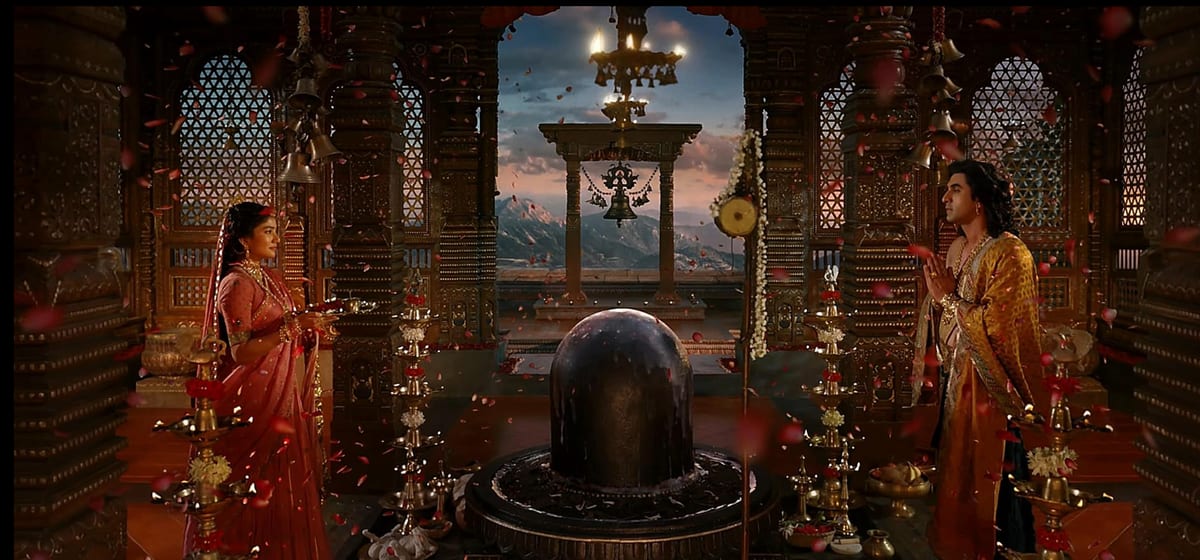
Why the Ramayana Still Matters Today
It is easy to think of the Ramayana as a tale of another time, with its kingdoms, gods and battles that are not really that relatable to our everyday life. But after looking closer, you realise that its central conflicts remain surprisingly familiar. It highlights the struggle between personal desire and responsibility, the pressure of family expectations, loyalty tested by difficult circumstances and the consequences of pride, and these concerns don’t just disappear with changing generations. They still continue to shape human relationships.
The epic has also never existed in just one form. Regional traditions, folk performances, television adaptations and literary retellings have each brought their perspectives, portraying what’s personally relatable. Thus, every single person who discovers the epic is able to find a part of themselves in it, and this feeling has been consistent for centuries, which is a remarkable achievement for any piece of literature. And this is where Ramayana: Rise of a Legend has an opportunity to do more than recreate a beloved epic. It can introduce younger viewers to a story they may know in fragments while giving longtime audiences a fresh way to experience it.
Release Date and What to Expect
Ramayana: Rise of a Legend is scheduled to release in cinemas worldwide on November 5, 2026, with the second instalment planned to air around Diwali 2027. The film is expected to reach audiences in multiple Indian languages, including Hindi, Tamil, Telugu, Kannada and Malayalam, alongside English.
With the combination of a large ensemble of actors, an international creative team, and a two-part structure, the picture is said to be set for a massive blockbuster. Nevertheless, the film needs to do more than just deliver in scale; it also needs to offer viewers a meaningful adaptation of this cultural and spiritual milestone.
A Story That Belongs to Every Generation
Perhaps the most interesting thing about the Ramayana is that it has never really needed to be rediscovered. It has always been there, passed down through stories, celebrations, performances and conversations. What changes is the way each generation encounters it. For some, the upcoming film will be a chance to revisit childhood memories. For others, it may be their first opportunity to experience the epic on such a scale. And for those who have heard the story countless times, the excitement lies in seeing how familiar characters are brought to life once again.
As Ramayana: Rise of a Legend prepares for its theatrical release, the real achievement would be to remind audiences why this story has endured for so long. Because while technology can make an ancient kingdom look larger than life, it is the human emotions at the heart of the story that have kept it alive.