
The Punjab and Haryana HC criticism on Police non-cooperation
The Punjab and Haryana High Court has strongly criticized the failure of police witnesses to appear in NDPS trials
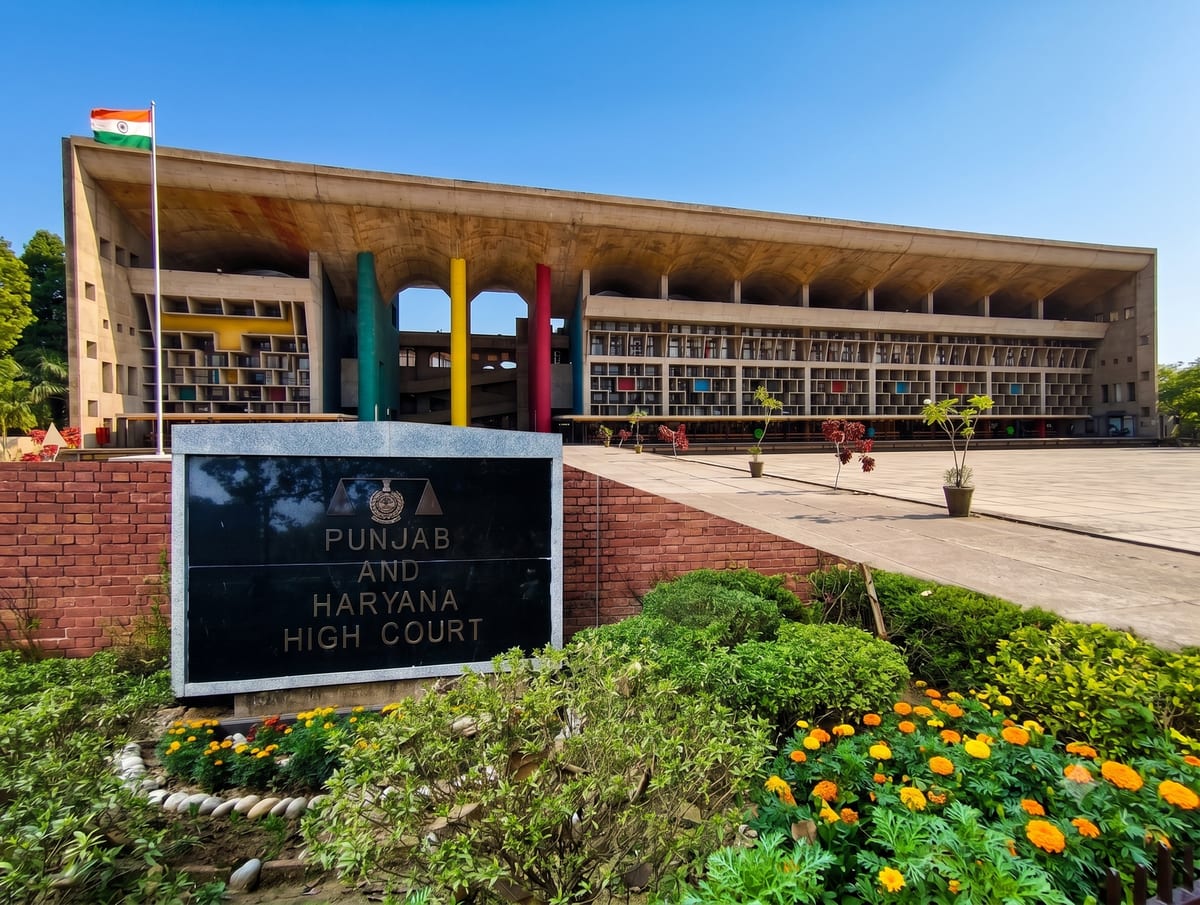
Synopsis
Punjab and Haryana High Court took the matter in their own hands when the police witnesses failed to appear despite repeated bailable warrants. The court pointed out that this is an institutional failure. Further it said that the precious time of court is being wasted in correcting the basic procedures that are expected to be followed by everyone who is part of the case.
What is the crisis in Drug Trials?
The administration of criminal justice depends on the integrity of judicial processes and the timely cooperation of all parties involved in a prosecution. However, trial courts in different regions are increasingly facing a troubling trend where state officials, especially police personnel acting as witnesses, show blatant disregard for court summons.
This issue was brought to the attention of the Punjab and Haryana High Court in the case of Naseeb Singh v. State of Punjab. The court expressed deep concern over the repeated refusal of police officials to give evidence and took the unusual step of summoning top police officials to explain the systemic failures that threaten the foundation of criminal law.
Bailable and Non-Bailable Warrants Ignored
The main issue highlighted by Justice Sumeet Goel is the regular failure of police witnesses to appear in trials under the strict terms of the Narcotic Drugs and Psychotropic Substances (NDPS) Act. Despite trial courts issuing regular bailable warrants and even non-bailable warrants to force attendance, police witnesses often do not show up, leading to endless adjournments and frustrating delays.
In many cases, court-issued warrants are not executed for long periods.The judiciary observed a clear contradiction in the way the police act, they show quick and aggressive action when registering a First Information Report (FIR) and arresting an accused, but this same energy disappears once the case reaches the trial stage.
How is Article 21 of the Constitution violated?
This deliberate non-cooperation by law enforcement causes more than just delays in court proceedings, it causes serious constitutional harm to individuals awaiting trial. Under Article 21 of the Indian Constitution, the right to a speedy trial is a key part of the right to life and personal liberty, applicable whether an accused is in custody or on bail.
When trials under strict criminal laws like the NDPS Act are stalled indefinitely because of the indifference of state witnesses, the legal rights of the accused are systematically compromised. The High Court also pointed out that this failure by police officials damages public trust in the justice system, makes criminals more emboldened, and weakens the purpose of anti-narcotics laws.
More than Single Administrative Failure
The bench pointed out that when courts repeatedly fail to get police witnesses to appear, the problem goes beyond a single administrative error and becomes a serious institutional failure. The submission of a police challan does not mark the end of police duties, it sets off a continuing obligation to carry the case through to its conclusion.
Forcing the judiciary to spend time trying to get the prosecution to fulfill its duties creates a dangerous precedent where procedural carelessness takes precedence over judicial effectiveness. The court stressed that district-level leaders, specifically Senior Superintendents of Police (SSPs) and Superintendents of Police (SPs), have a responsibility to monitor the behavior of their subordinates and ensure their presence in court for evidence collection.
How did the Court Dealt with the Matter in the End?
The immediate reason for these wide-ranging observations was a bail application filed on behalf of an accused who had been in custody since March 28, 2025, in connection with an alleged heroin seizure of 2.48 kilograms. The High Court noted that not a single prosecution witness had been examined despite extensive delays and unexecuted warrants, and granted interim bail to the petitioner.
Acknowledging that ignoring such prosecutorial apathy would be a violation of the rule of law, the court ordered the Director General of Police (Law and Order), Punjab, to personally appear before the bench to explain why this widespread systemic failure continues unchecked.
Latest News
- ◆Allahabad High Court Quashes Dowry FIR, Cautions Against Criminalising Failed Marriages
- ◆Nifty Snaps Eight-Week Losing Streak as Equities Rebound; 200-Week Average in Focus
- ◆Riyadh Airport Attack Kills 12, Deepens Saudi–Houthi Conflict; Trump Weighs US Role
- ◆Northern Railway Restores 214 Passenger Trains; 30 Still Cancelled After Delhi Protest
- ◆Supreme Court Bars Illegal Detention of Peaceful Protesters, Orders Normal Delhi Transit