
The Reality Behind the Rocketry: Breaking Down Tesla’s 2028 Roadster Reveal
Tesla's New Roadster Rewrites the Supercar Rulebook
Synopsis
Unveiled in Texas on October 15, 2026, Tesla’s next-gen Roadster uses SpaceX cold-gas thrusters and suction systems to perform mid-air stunts and achieve 0–60 mph speeds in under one second. Offered in Performance, Thrust, and invite-only Rocket configurations, the aircraft-inspired supercar features an SR-71 aesthetic and $50,000 reservations. However, with the track-focused Rocket variant not street legal and production targeted for 2028, delivered range specs have halved since 2017.
Breaking the Laws of Physics: The SpaceX Thruster System
Tesla unveiled its new roadster on 15 October, 2026, describing it as a “flying” car at a SpaceX rocket testing facility near Waco, Texas, and streamed the event online. Tesla staged two stunts during the event.
During the first one, the car drove up the ramp until it hung upside down, then fired its thrusters to launch off at the end, flip mid-air, and land smoothly on its wheels. In the second stunt, it lifted itself over a Cybertruck, a Tesla Semi truck, a Model Y and a Model 3 while moving.
Elon Musk said that “this will be an actual car on roads” and that it will literally just pull itself up whenever the owner wants, and called the collaboration between Tesla and SpaceX engineers that is better than any James Bond car.
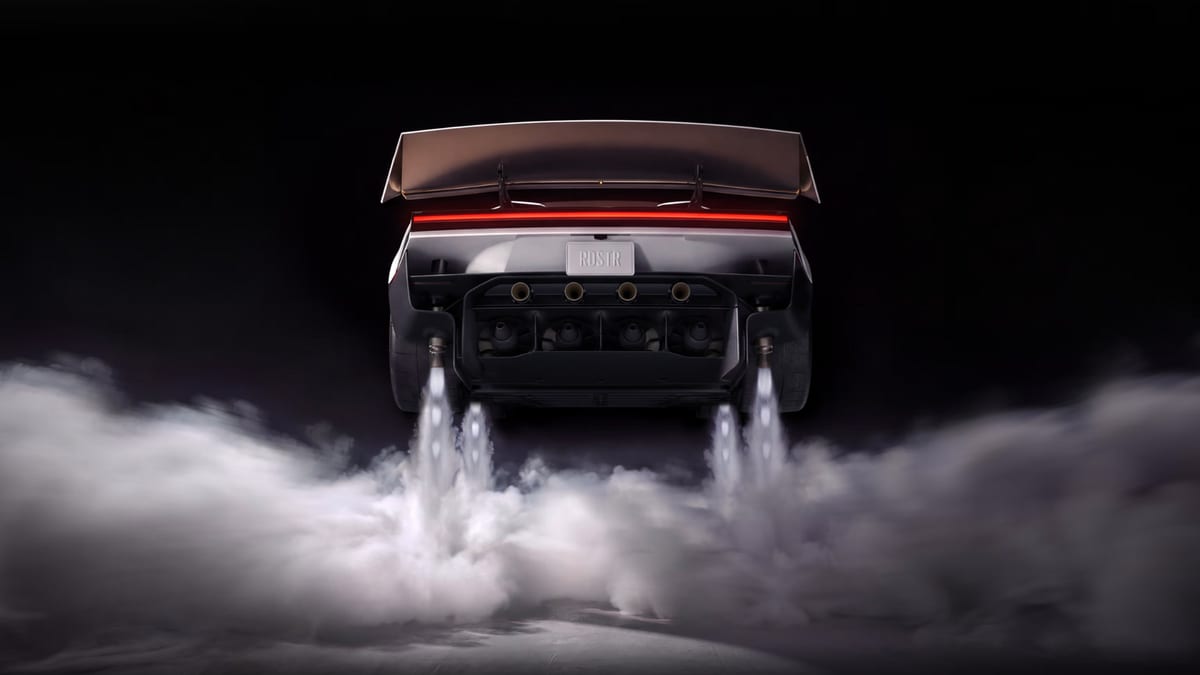
The Roadster uses a set of 10 thrusters connected to 600 litres of compressed air to lift and spin the car in midair. Unlike conventional rocket combustion, the system uses pressurised gas released through thrusters to generate thrust. That helps the car perform its brief airborne manoeuvre before landing.
Redefining Speed: Performance and Variants
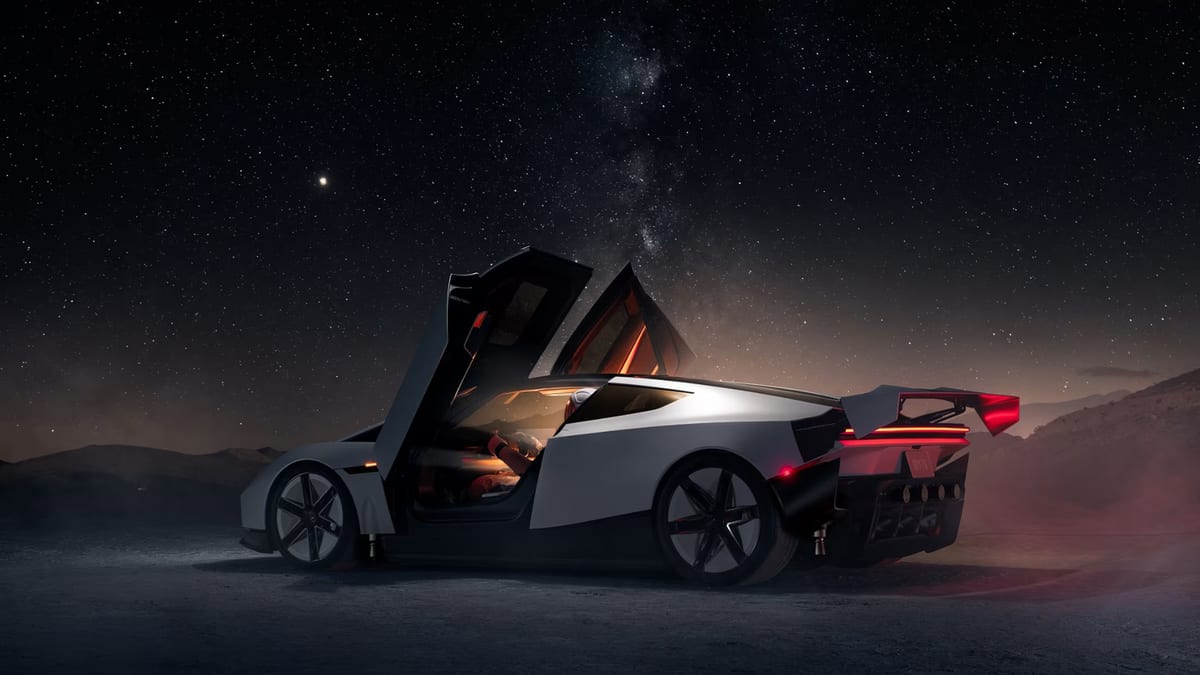
The new Tesla Roadster is offered in three different configurations, rather than custom-ordered individual thrusters: The performance configuration is a road-ready seating for two. Featuring active aerodynamics and a multi-mode suction system that maximises downforce for next-level performance on and off track. It also sets a 0-to-60 mph sprint in under 1.6 seconds.
The thrust configuration is a limited-release, race-ready setup with seating for two. Features a multi-mode suction system paired with cold-gas thrusters in the rear of the vehicle that propel the Roadster from 0 to 60 mph in under 1 second.
The rocket configuration includes an invite-only, with air ready seating for one. It features a multi-mode suction system paired with cold-gas thrusters positioned around the perimeter of the vehicle that support forward and upward acceleration as well as lateral rotational movement.
Stealth and Space-Age Aesthetics
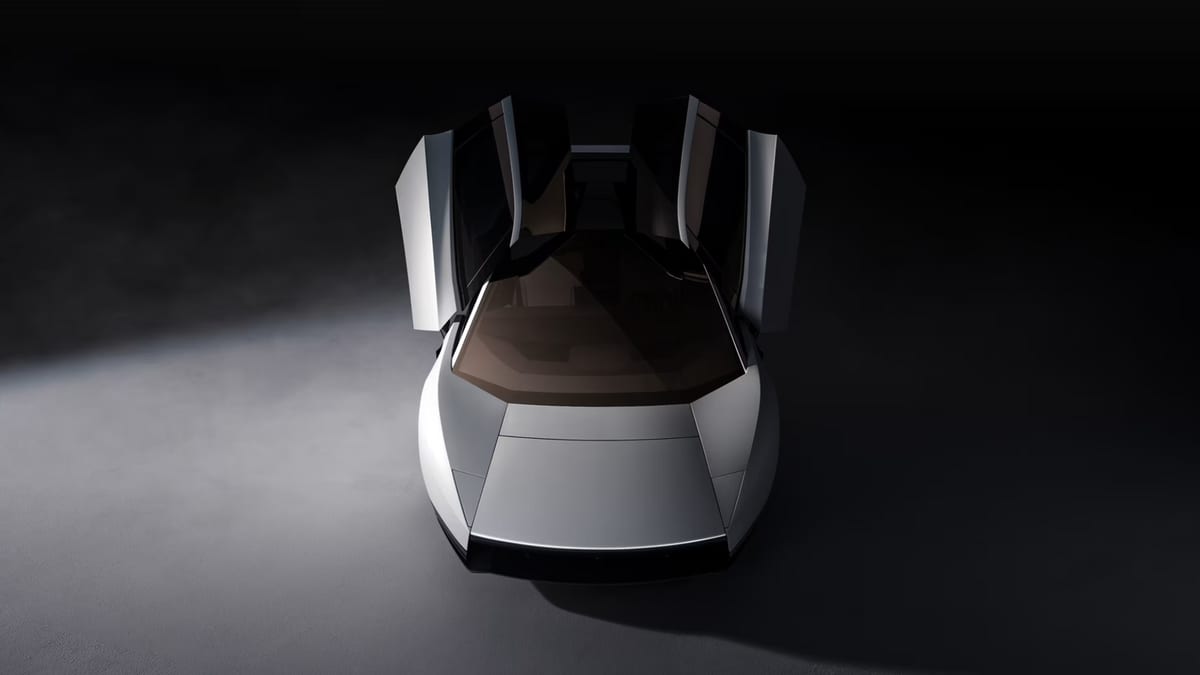
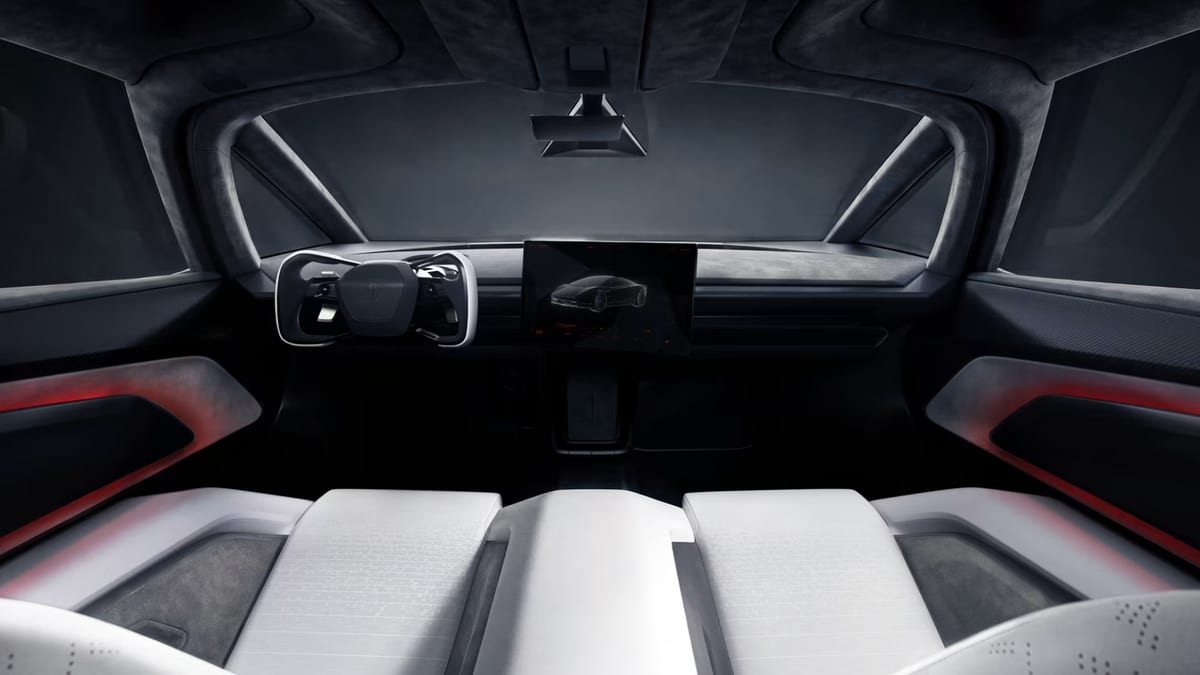
The design is heavily inspired by military stealth aircraft like the SR-71 Blackbird. Premium aesthetic details include the “Ano White” cryogenic-protection paint, gold-glazed windows modelled after spacesuit visors and an ultra-minimalist cabin featuring a yoke steering wheel optimised for steer-by-wire technology. With magnesium, titanium and carbon fibre, manual controls and a fixed seat position.
The Road to 2028: Price, Legality, and Reservations
To get the roadster, customers must submit a token amount of $50,000 to reserve the car, but it is stated that there is no guarantee when the car will be delivered, as it is still under construction. The purchase price of the vehicle is yet to be finalised and is only estimated by Tesla; based on the hardware features, the price may increase in the future.
The rocket variant with SpaceX thrusters is not street legal and is explicitly labelled by Tesla as “not approved for public road use”; mass production is currently targeted for 2028, and full street legality for individual regions still depends on local laws and final certification.
Elon Musk described it as “the best of the human-driven cars”, and he has been open that it is a halo product and has also warned that anyone whose top priority is safety should not buy it.
Did it deliver everything promised?
In November 2017, Tesla wheeled a Roadster truck at the end of the semi-reveal and took deposits on the spot, fifty thousand dollars for the base car and two hundred and fifty thousand for the founders Series, payable in full, immediately.
With the promise of 620 miles of range, which has been cut in half to 300 and almost nine years later, the most important question is not whether it can fly or do stunts, but whether it delivers everything that was promised.
Starting with acceleration, which improved with the base car now claiming under 1.6 seconds against the 1.9 seconds that was promised. But the range, which determines whether the car is usable and it has gone backwards, which no reasonable depositor would have anticipated, with still no price announced for any version.
The only prices released for reservations were $50,000 for Performance and $250,000 for Thrusts, the same amounts collected in 2017. No price advantage, no specification guarantee, and no priority have been publicly described for the original depositor.
Latest News
- ◆New Fits, Old Roots: Rethinking Diwali Fashion in 2026
- ◆The Reality Behind the Rocketry: Breaking Down Tesla’s 2028 Roadster Reveal
- ◆Supreme Court Recognises Children’s Right to Internet Access, Cautions Against Blanket Bans
- ◆Supreme Court’s Week: College Fees, Reservation Eligibility and Online Child Safety
- ◆Delhi High Court Revives Disabled Man’s Abuse Complaint Against Ex-Wife, Her Family