
New Fits, Old Roots: Rethinking Diwali Fashion in 2026
Pre-draped sarees, contemporary silhouettes and heritage textiles are redefining festive dressing, but are the latest trends worth the cost?
Synopsis
Thinking of buying a new outfit for Diwali, naturally your first option would be to go for a designer label; I get it. You have a reputation to uphold, so there’s no way you are settling for anything but a name brand. This is might have been the thinking of earlier generations, but times are changing. This year, your fit doesn't have to be a labelled piece. With modern ethnic wear and creative styling with a traditional touch, this Diwali presents us with a new opportunity - to make the smarter choice rather than follow trends.
Tradition or Trend?
Every year, Diwali shopping begins with the same question: what should I wear? Weeks before the festival, your feed fills with influencers modelling their festive picks, and the saree hanging in your wardrobe which was perfectly good mere moments ago, suddenly feels very last season.
Indian festive fashion is certainly evolving. Pre-draped sarees, contemporary silhouettes and statement jewellery are everywhere, each trying to fit tradition into a more modern frame. For a long time, this was a shift that was welcomed with open hands, seen as a way of celebrating without feeling bound by old rules. But it also invites a harder question: are these trends making festive dressing more personal, or are they simply giving us one more reason to shop, while the heritage we claim to honour slips further into the background?
Old favourites, New Tricks
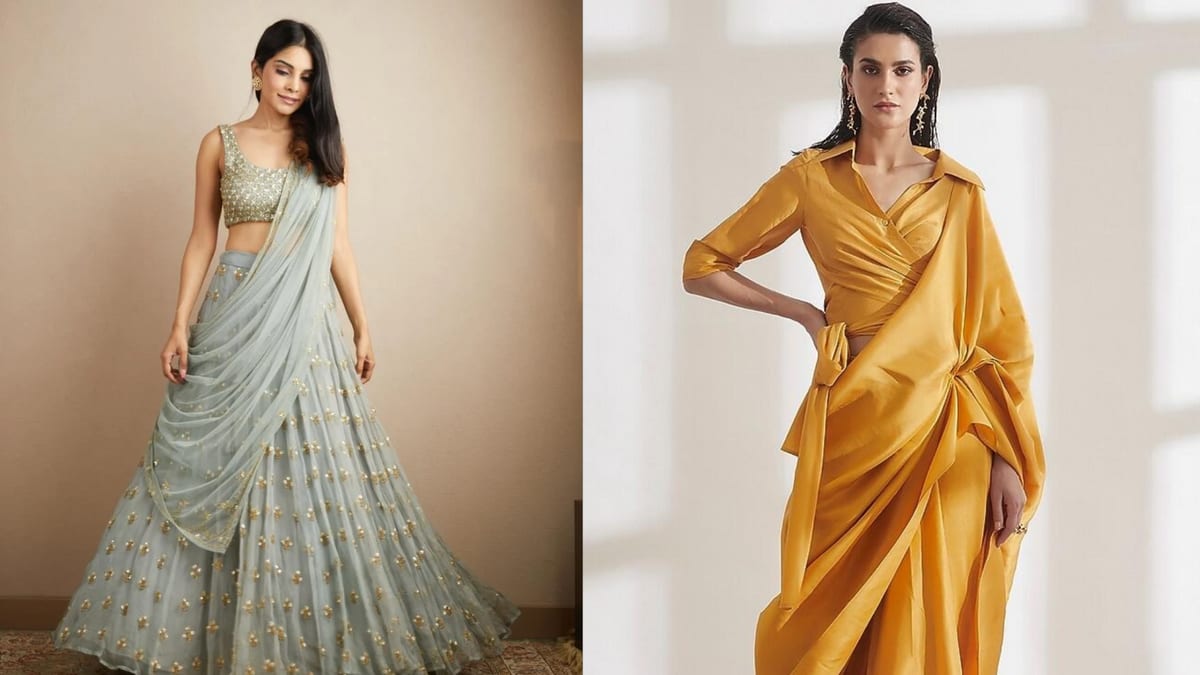
This year, our old favourites - sarees, lehengas, kurta sets are getting makeovers: sharper cuts, unusual drapes and experimental layering. Pre-draped saree, for instance, offers the appearance of a transitional saree minus the hassle of arranging metres of fabric. Modern lehengas are exploring different proportions, whereas kurta sets have a league of their own, with it being polished into an alternative to the typical heavy outfits.
The appeal is easy to understand. Contemporary designs give people a sense of freedom, the liberty to experiment with traditional clothing and mould it into their modern lifestyles.
However, not every updated silhouette represents a new idea. Designers have been working with Indian textiles for years, trying to give them a contemporary turn, giving the term fusion fashion a new meaning. A new blouse design with a different type of fabric and drape may refresh the outfit, but the real innovation lies in whether the design improves comfort, expands styling possibilities or offers an insightful reinterpretation of traditional clothing.
Less Bling, More Statement
Nearly everyone just assumes the heavier the lehenga, the more festive it looks, but festive dressing doesn't always have to mean carrying the weight of an entire jewellery shop. Now the mood has been set for a season that would dabble in something lighter. Lighter silhouettes, lighter patterns, lighter colours and even lighter fabrics. But hold that thought people, light doesn’t mean plain or basic; light here means a light print Kurti but with a beautiful embellished dupatta, or a light coloured blouse with earrings that stand out, or maybe a light lehenga with heavy embroidery.
The mood may be light, but it’s never complete without certain well-chosen showstoppers. The upside here is practicality. Lighter outfits are just easier. Easier to walk in, to reuse, or even to run if you spot a patakha coming your way. They can also be more versatile, allowing people to style the same pieces for different occasions. Ultimately, the value of an outfit depends on its construction, versatility, and how it makes one look.
Is Festive Fashion Becoming Affordable?
In this era, inspiration is everywhere, but copying an outfit off the internet, right down to that perfect shade to its perfect cut - can get pricey, real fast. Designer collections, branded festive wear and elaborate accessories may not fit everyone's budget. The silver lining here is that a new festive look doesn’t necessarily require entirely new things.
A saree already in your wardrobe can look different with a modern blouse, while an old kurta can be restyled with a contrasting dupatta or new accessories. Renting occasion wear, thrifting clothes and shopping from local markets are other options worth considering too. These alternatives help people experiment with trends without spending heavily on pieces they may not wear again. However, affordability needs to be carefully assessed. Cheap clothing can lose its shape quickly, while expensive clothing is not automatically better. This cost per wear is often a more useful measure: an outfit worn repeatedly may offer better value than a cheaper garment that falls apart or is quickly discarded.
When festive celebrations become associated with new outfits, shopping can begin to feel like an obligation rather than a personal choice.
Can We Wear the Same Outfit Again?
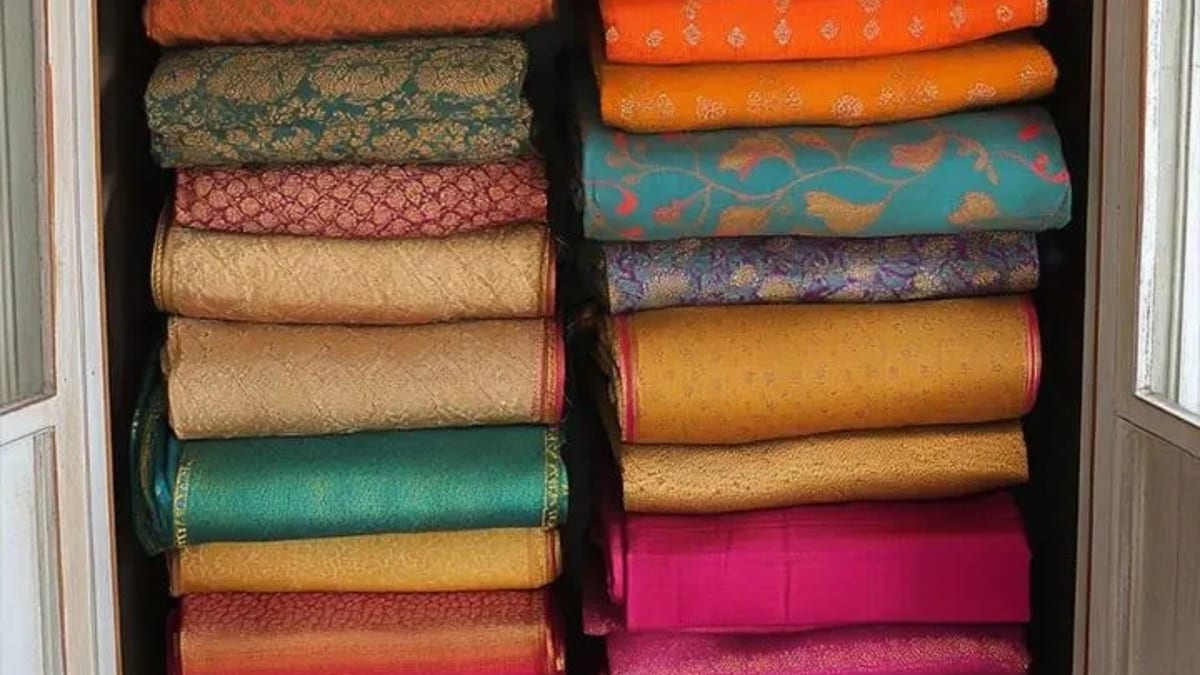
Sustainability is an important consideration in an industry which is driven by frequent new collections and changing trends. Diwali provides us with a moment to look at how we buy, wear and bin our clothes. The simple wins are usually the unglamorous ones: repeat your outfits, repair what you have and pick pieces for more than one occasion. Turning materials into something new is another fun route, one can go.
Circular fashion which focuses on reusing, repairing and recycling clothing and textiles, is also gaining attention in India. It was reported that India is one of the emerging fashion innovators, which works with pre-consumer textile waste to create handloom fabric.
Still, a label saying ‘eco-friendly’ doesn’t settle. Fabric production, dyeing, transport, durability and how often you wear a piece all count. Natural fabrics aren't automatically green, and synthetics aren't automatically doomed to the landfill. Fewer, better-made clothes worn for longer beat a whole wardrobe swap in the name of sustainability.
Craft meets Cool
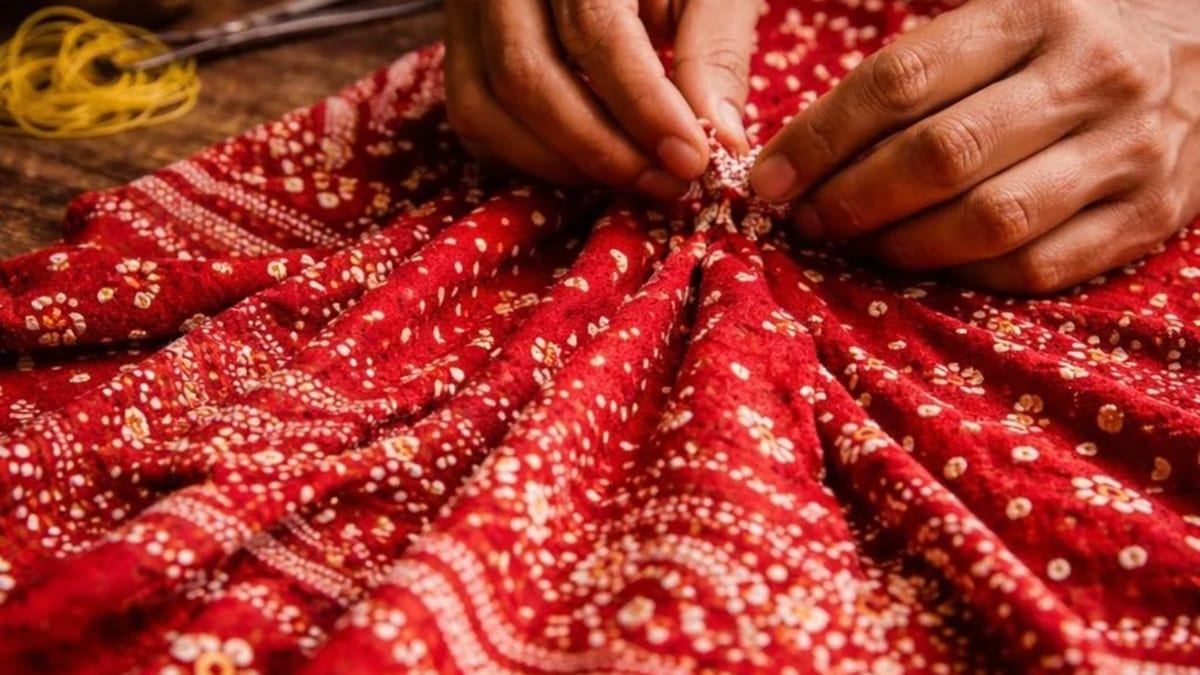
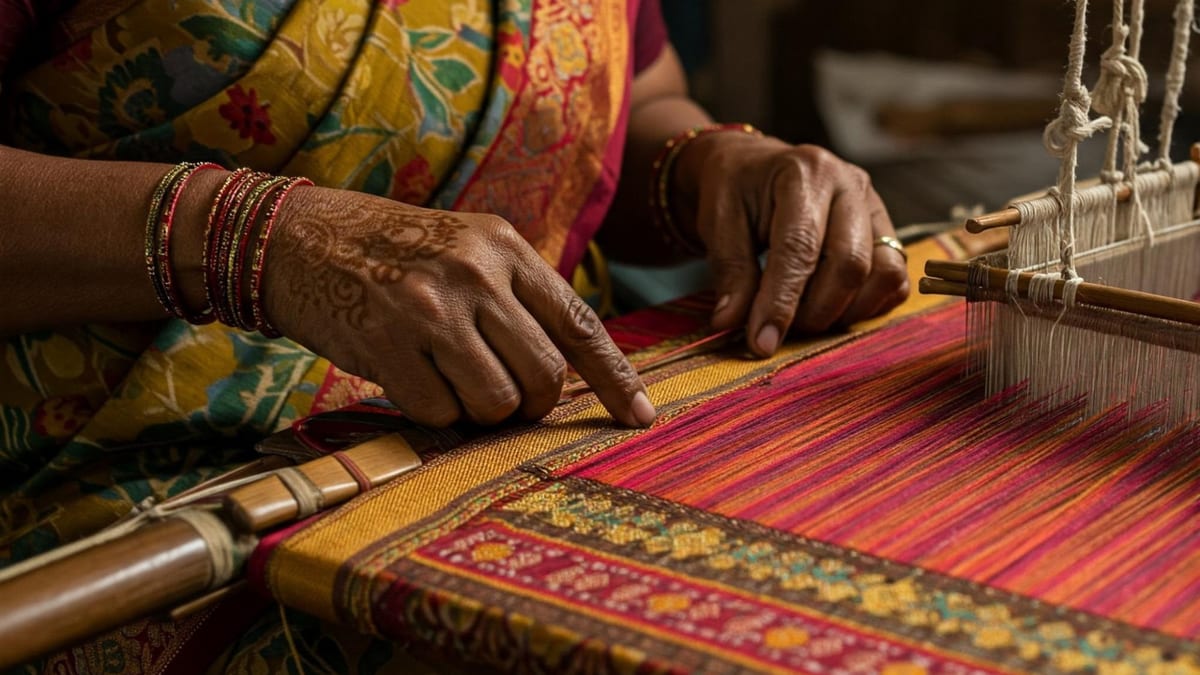
Indian festive fashion is finding new ways to celebrate old traditions, with Banarasi silk, Chikankari, Bandhani and Jamdani getting contemporary makeovers. While modern silhouettes can introduce these crafts to younger audiences, traditional motifs alone don't guarantee that artisans benefit. Supporting genuine craftsmanship means looking beyond the price tag and checking who made our clothes. After all, a machine-made imitation might look like a masterpiece, but it doesn't carry the same story.
Diwali 2026 fashion offers plenty of ways to experiment, but does every celebration really need a new outfit? An old saree styled differently, or a locally crafted kurta, can make just as much of a statement as a designer purchase. Choosing durable, versatile clothing also makes festive dressing easier on the wallet and the environment. Because let's be honest, our wardrobes are already full, even if we somehow have absolutely nothing to wear.
Latest News
- ◆New Fits, Old Roots: Rethinking Diwali Fashion in 2026
- ◆The Reality Behind the Rocketry: Breaking Down Tesla’s 2028 Roadster Reveal
- ◆Supreme Court Recognises Children’s Right to Internet Access, Cautions Against Blanket Bans
- ◆Supreme Court’s Week: College Fees, Reservation Eligibility and Online Child Safety
- ◆Delhi High Court Revives Disabled Man’s Abuse Complaint Against Ex-Wife, Her Family