
The UPI Dilemma: What the New 0.4% MDR Means for Merchants and Digital Payments
A closer look at how the new MDR could reshape merchant costs, UPI adoption, and India’s digital payments ecosystem.
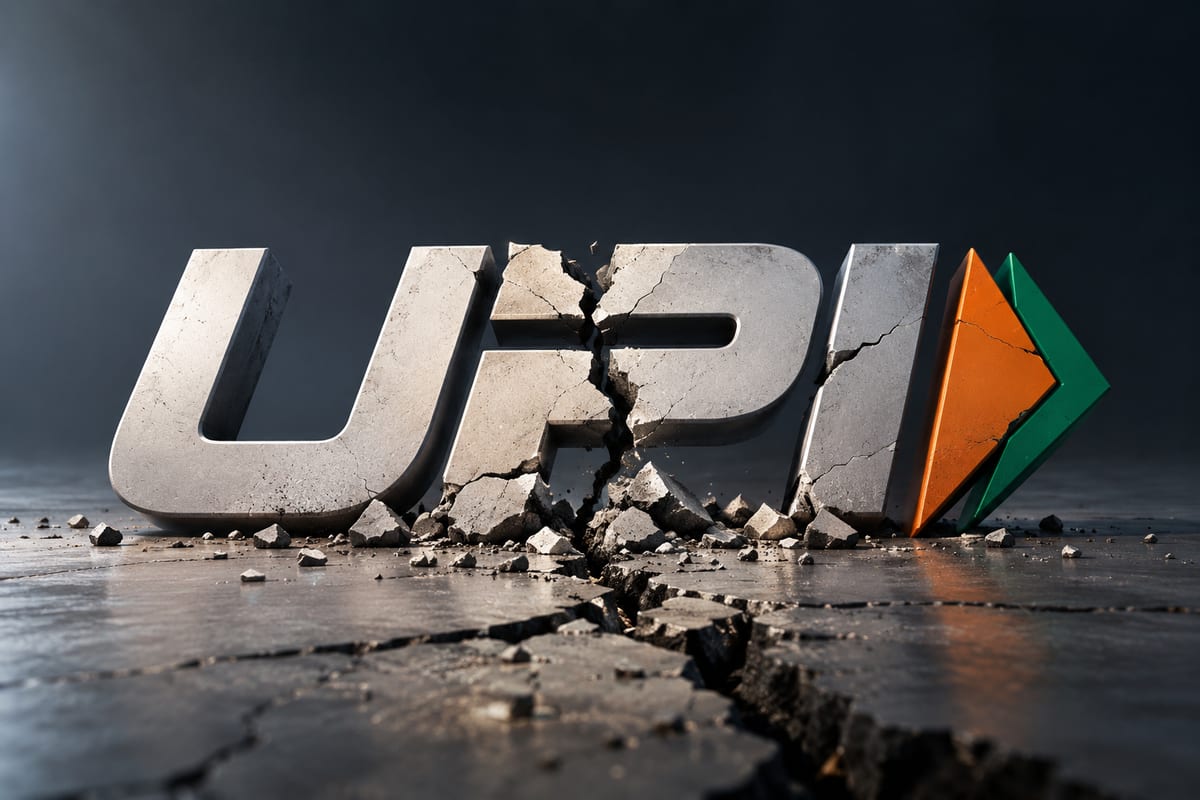
On September 15, 2026, the National Payments Corporation of India (NPCI) and the Ministry of Finance announced that all Merchant payments from October 15, 2026, will be subject to the revised Merchant Discount Rate (MDR) framework for UPI transactions.
Under the new MDR guidelines, any P2M (Peer-to-Merchant) UPI transactions upwards of ₹ 2,000 will be charged a fee amount of 0.4% to the merchant. The MDR amount will be capped at ₹300 for any high-value transaction of ₹75,000 and above.
This differs from the previous MDR framework, which charged no transaction fees of any kind, as the costs of operating UPI have been borne by banks and fintech companies.
The Good | What goes in favour of MDR?
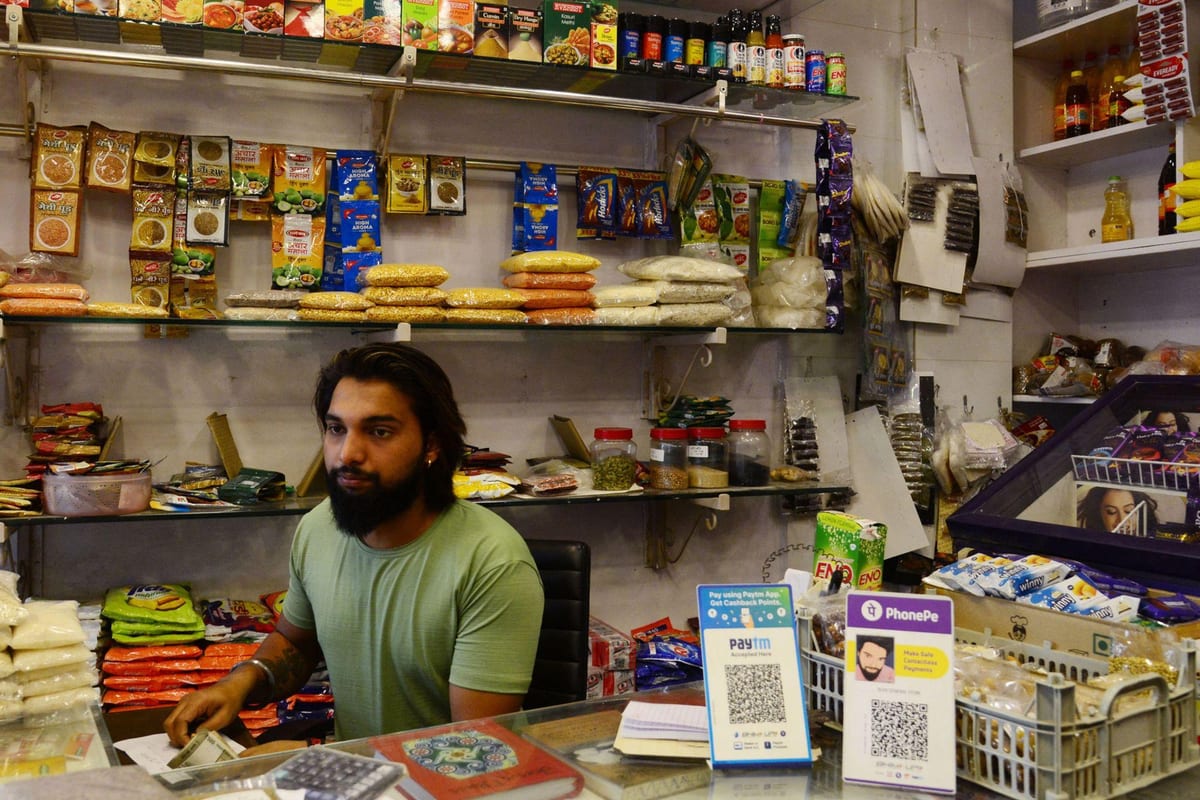
Since its introduction a decade ago, UPI has become far too large; it processed 241.6 billion transactions in the last financial year with 741 banks across the country. The UPI system has become the backbone for India’s real-time digital payments industry.
With the introduction of the new MDR policy, an estimated annual revenue pool of about 170 billion rupees is expected, of which 60% goes to banks, 25% to app providers and 15% to aggregators.
The government justifies the new policy changes as a means to maintain a viable revenue source from the interface and not as a taxation scheme. Officials argue that subsidising the fast-payment ecosystem would limit innovation and competition in the payments industry and further states that allowing some transactions to carry costs will provide payment’s companies with monetary incentives, which further intensify competition in the industry, ultimately leading to innovation to say relevant in the field.
As earlier said, the government states that the revenue collected from the new UPI fees policy will circle back to the online payments environment itself, as the revenue generated from larger merchant transactions will support banks, payment service providers and UPI application providers in expanding and improving payment infrastructure, including in rural and semi-urban areas.”
The Bad | What is so controversial about the new policy?
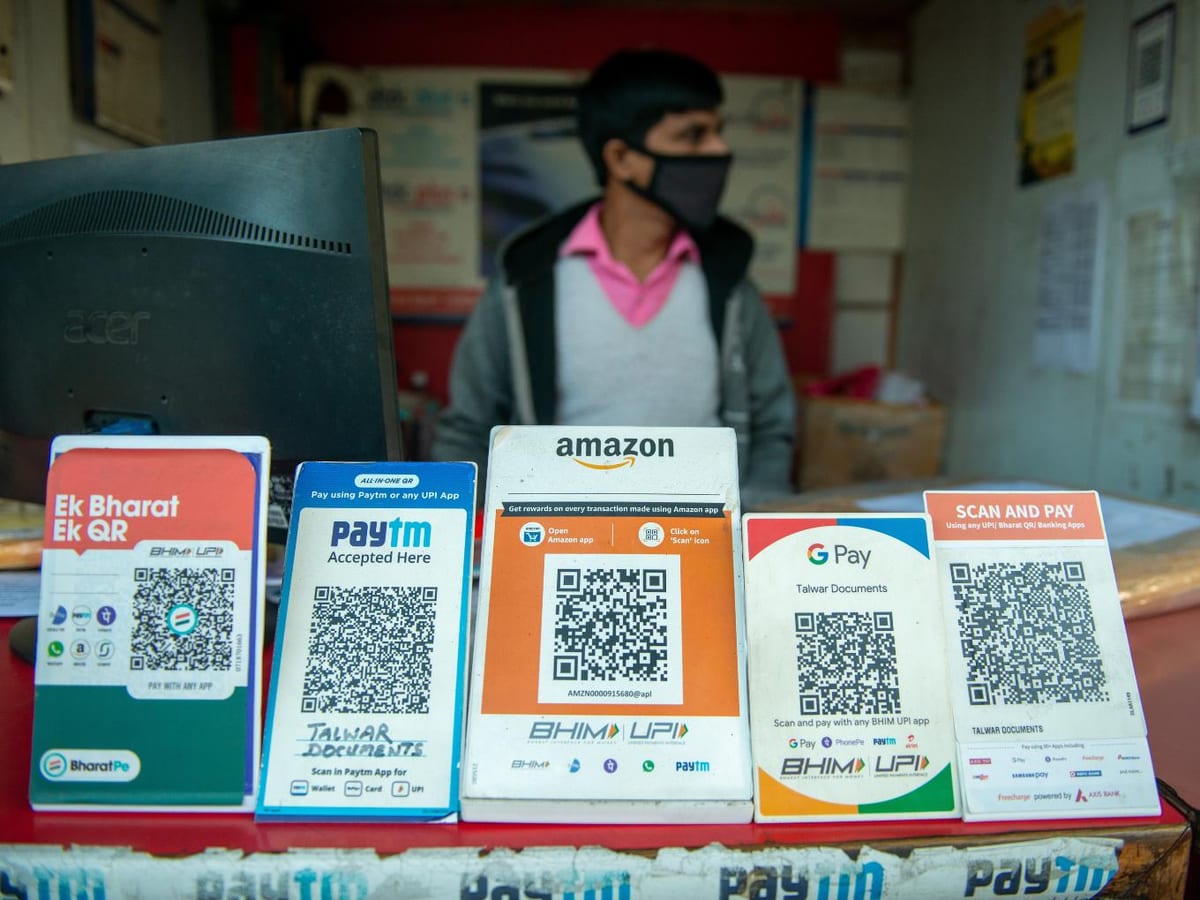
One of the core reasons for UPI’s wide adoption in India’s digital real-time payments landscape is due to its subsidised nature; with its convenience and zero transaction charges, it incentivised both consumers and merchants to adopt the technology. With the new MDR policy, that advantage for UPI is off the table now.
The 0.4% fees, seemingly nominal to common individuals, can become a huge burden for small merchants, potentially discouraging them from accepting UPI payments and prompting them to adopt alternative payment methods.
The Ugly | Opposition And Foreign Perspective

The Opposition criticises the new MDR policy by saying that the Modi government has given in to foreign pressure, stating that the U.S. demanded to get rid of zero MDR and charge for UPI to enable US card companies such as Visa or Mastercard to compete with UPI in the Indian market
USA has been known to criticise India’s UPI framework, arguing that policies governing the system favour domestic payment providers and create an uneven playing field for U.S. payment companies, one such being that only homegrown RuPay credit cards can be directly connected to payments.
UPI has disrupted India’s payment systems since its introduction; it has gained 84% of India's digital payments volume, the consequences of which are felt by U.S.-based giants like Visa and Mastercard.
Any rise in cost to the consumers and merchants of UPI transactions might make other payment methods more attractive, especially credit cards. This concern is one of the opposition's objections to the policy change, which is said to be in favour of international card networks and a sign of the government trying to please the interests of the Donald Trump administration.
With the launch of Apple Pay next month, UPI will have a new competitor in the real-time payments landscape, making things even more challenging.
Road Ahead
Statements and objections will all remain speculation until we have the data in hand. Will UPI decrease in market share? Can cash and card payments make a comeback? These are come question which will be left unanswered for quite a while; until then, as citizens of this country, we can only hope that our homeboy UPI (Unified Payments Interface) emerges victorious and remains dominant in the field.
Latest News
- ◆The UPI Dilemma: What the New 0.4% MDR Means for Merchants and Digital Payments
- ◆India Protests After Pakistani Navy Ship Collides at Sea
- ◆New Delhi Opens SEMICON India 2026 Meet
- ◆India Warns US Over 100% Tariffs Over Russian Oil Purchase
- ◆Govt Confirms UPI Fee on Big Merchant Payments; Payments upto ₹2,000 Free