
Trump's 2026 Drug Strategy Targets Cartels and Recovery
The White House unveils a comprehensive national drug control framework centred on cartel dismantlement, expanded addiction treatment access, and faith-based recovery programmes
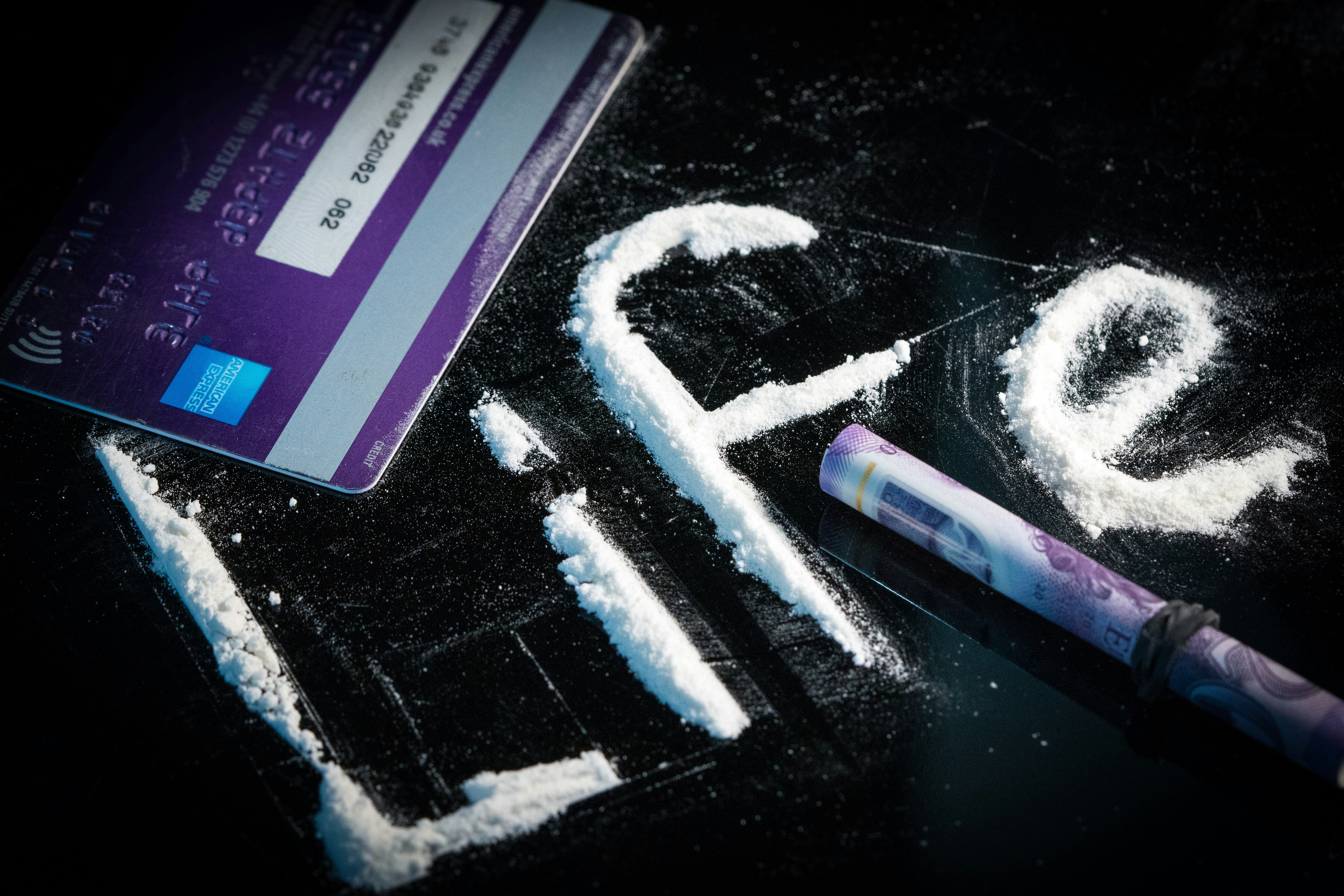
Synopsis
The Trump administration has released its 2026 National Drug Control Strategy, outlining a multi-pronged approach to address America's persistent narcotics crisis. The strategy centres on dismantling cartel operations through enhanced law enforcement coordination, expanding access to addiction treatment services, and incorporating faith-based recovery frameworks into the national anti-drug policy architecture. The document represents the administration's most comprehensive articulation of its drug policy approach and will shape federal anti-narcotics spending and enforcement priorities.
A Comprehensive Reckoning with America's Drug Crisis is a project that examines the issue of drugs and the United States
Narcotics addiction and drug trafficking in the United States has been a persisting and expensive public health and law enforcement issue in the country's contemporary history. The opioid crisis has been a stubborn phenomenon that has defied the remedies of the last few decades from both sides of the political aisle, from the opioid crisis of the 2010s that ravaged communities in the Rust Belt and Appalachia, to the current fentanyl crisis that has swept the nation and resulted in overdose fatalities at a rate unseen in American public health records.
The 2026 National Drug Control Strategy, released by the Trump administration, is the most unified statement to date on the current administration's strategy to meet this challenge. The document presents a blueprint containing three main components: disrupting the operations of drug cartels, the so-called main supply-side infrastructure of the illegal drug economy; improving access to evidence-based addiction treatment services; and embedding faith-based recovery programmes into the national policy framework for tackling substance use disorder.
The enemy is the evil of cartels. Cartel Dismantlement: The Supply-Side Imperative
The most specific operational aspects of the strategy are its measures in regard to drug trafficking organisations, or cartels, the primary focus being the big Mexican criminal gangs that control the distribution of illegal narcotics to the United States. In recent years, drug cartels like the Sinaloa Cartel and the Jalisco New Generation Cartel (CJNG) have almost completely taken control of the manufacturing and distribution of fentanyl, the synthetic opioid responsible for most U.S. drug overdose deaths, according to the Centres for Disease Control and Prevention (CDC).
The 2026 strategy highlights the importance of multi-agency law enforcement efforts to combat cartels, which include the resources of the Drug Enforcement Administration (DEA), the Department of Homeland Security (DHS), Customs and Border Protection (CBP), and the Federal Bureau of Investigation (FBI). One of the key elements of this supply-side approach is improved intelligence sharing with the Mexican government (and, if relevant, other regional partners).
"The cartels are not merely criminal organisations — they are narco-terrorist enterprises whose operations constitute a direct national security threat to the United States. The 2026 strategy treats them accordingly." — White House Office of National Drug Control Policy, 2026 National Drug Control Strategy
The Demand Side: Expanding Addiction Treatment Access
In addition to its focus on enforcing the laws governing supply, the 2026 strategy recognizes the public health evidence that addiction is a chronic disease that can be effectively treated with evidence-based medical interventions – and that enforcement efforts alone are not enough to lower rates of drug use and overdose deaths. The document promises to increase access to Medication-assisted treatment (MAT) like buprenorphine and methadone which has been proven to help treat opioid use disorders.
The strategy also includes treatment disparities that have long been a problem in the American response to addiction, which have been geographically concentrated. Opioid addiction often disproportionately strikes rural communities and these communities often have inadequate access to specialised healthcare facilities capable of providing regular evidence-based treatment. The 2026 strategy puts forward three avenues to broaden access to treatment beyond urban health facilities, including Telehealth and community health worker programmes.
Faith Based Recovery: Policy Integration and Its Implications
One of the most unique and analytical aspects of the strategy is the explicit inclusion of faith-based recovery programs in the national drug control strategy. Faith-based organizations have long existed in the interface of spiritual and social care for people in recovery from substance use disorders, such as the well-known “Twelve Step” community and newer faith-based residential recovery centres.
The incorporation of these organisations within the federal drug policy has a practical and an ideological aspect. In practice, religious institutions can access places where formal institutions such as the health, education and welfare services are either underutilised or not trusted, and where their primary social infrastructure is the religious institution. The inclusion of faith-based programmes in a federal strategy, methodologically, brings the question of the criteria used in assessing the effectiveness of these organisations; that is, although there is evidence that supports the effectiveness of faith-based recovery programmes, such evidence is not as consistent as for pharmaceutical treatment modalities.
The Fentanyl Crisis: The Defining Emergency
It's impossible to talk about drug policy in America in 2026 without talking about the fentanyl crisis because it's changed the way Americans view substance use disorder and drug-related deaths. This is because fentanyl is now in a large percentage of the illicit drug supply in all categories – stimulants, counterfeit prescription pills, and more – and those who don't plan to use opioids are still at risk for exposure and overdose.
CDC's National Centre for Health Statistics has reported overdose deaths are at a historically high level, with the majority of deaths caused by synthetic opioids, mainly fentanyl. But the focus on the dismantling of cartels is linked to the supply chain for fentanyl; the precursor chemicals used to make fentanyl come from China and are then turned into the end product in Mexican labs before being spread out over the US border.
International Dimensions: The Transnational Policy Architecture
The 2026 strategy recognises that the drug challenge that faces the United States is distinctly transnational and that therefore, any effective strategy must involve a strong international component. The document mentions bilateral cooperation agreements with Mexico, Colombia and other countries of origin and transit, and multilateral cooperation with the United Nations Office on Drugs and Crime (UNODC) and the Financial Action Task Force (FATF) on anti-money laundering measures aimed at breaking up cartels' financial infrastructure.
The administration has had difficult relationships with the Mexican government with regard to drug trafficking in which questions of sovereignty, extradition, and cooperation between Mexican and US law enforcement agencies have periodically caused problems. The success of the diplomatic aspects of the strategy in terms of effective law enforcement coordination on the ground will be a strong indicator of the strategy's effectiveness.
The critical dimensions of measuring success and accountability
The 2026 National Drug Control Strategy, as with previous strategies, features performance measures and accountability measures to help measure its effectiveness over time. These are overdose mortality rates, indicators of drug treatment access, levels of drug seizures and indicators of the disruption of cartel operations. The ONDCP has a reporting requirement to Congress on a regular basis on progress towards these metrics, thereby creating a (not entirely satisfactory) public accountability mechanism.
It is an open question whether a comprehensive national drug control strategy is capable of being implemented at any kind of scale to meaningfully tackle the nature and extent of substance use disorder in a country of 330 million people where social, economic and healthcare systems have entrenched patterns of addiction. The 2026 strategy, however, is the best that the current administration has to offer as an answer to that question, an answer which will be answered in practice in the communities where the provisions of the strategy are applied.
Latest News
- ◆NSE's $2.3 Billion IPO Draws Over $10 Billion In Bids
- ◆India-New Zealand Free Trade Pact To Take Effect October 20
- ◆Tata Group Governance Feud Deepens Over Chandrasekaran's Term
- ◆India Reaffirms Push For Constructive Ties With Bangladesh
- ◆Teen Gang-Raped Near Delhi Temple, One Suspect Held In Encounter