
UAE to Double Oil Exports, Cutting Hormuz Dependence
A new Fujairah pipeline by 2027 will reshape Gulf energy security and insulate UAE revenues from Strait volatility
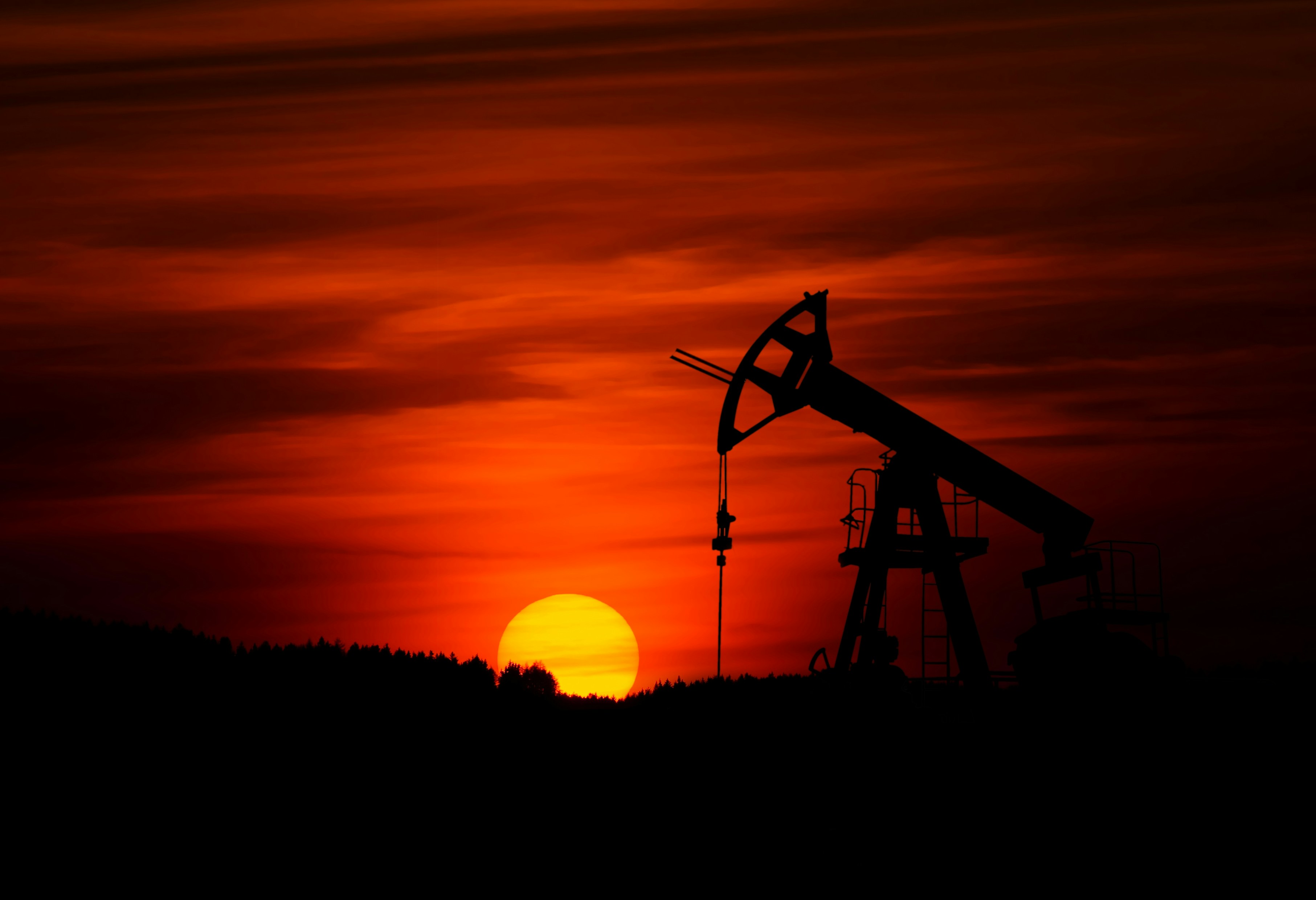
Synopsis
The UAE has revealed plans to ramp up doubling of crude oil export capacity via Fujairah by 2027, which skips the geopolitically sensitive Strait of Hormuz. The project, which is being led by ADNOC, is an insurance policy to protect oil revenues from geopolitical unrest and continuing tensions in the Persian Gulf. The consequences of this expansion are not only for global oil markets, regional energy architecture and the Middle East balance of power, they're global.
Pipeline that May Reroute the Gulf's Energy Landscape
On a typical morning in early May, as is the case most days, tankers sailed through the Strait of Hormuz without incident. However, one of the most pivotal chokepoints in the world is the passage between the Arabian peninsula and Iran, which is just 33km across. The EIA estimates that about 21 million barrels of oil flow through it every day, which represents about 21% of the world's total petroleum liquids consumption.
That reliance has been a structural weakness for the United Arab Emirates for a long time. Abu Dhabi took action this week to find a solution to it. The UAE said that it would speed up the construction of a new oil pipeline, intended to increase its crude export capacity by almost doubling through the port of Fujairah, which lies safely east of the Strait of the Gulf of Oman. According to officials, the project will be completed by 2027.
The Strategic Logic Behind Fujairah
Pipeline politics is nothing new in the UAE. Since 2012, the Abu Dhabi Crude Oil Pipeline (ADCOP), or Habshan-Fujairah pipeline, has been operating with a capacity of about 1.5 million barrels per day. The Abu Dhabi National Oil Company (ADNOC) that is in charge of the project said the new expansion will make that number much higher.
Bunkering, one of the largest activities in Fujairah, currently handles significant amounts of bunkering and marine energy trade for ships and is already one of the world's biggest bunkering hubs. The pipeline extension will further consolidate its role as a key point in the global oil supply chains.
The Strait of Hormuz is still a flashpoint and for good reason.The Strait of Hormuz is still a flash point and no wonder. The Strait of Hormuz is located between Iran to the north, and Oman and the UAE to the south. Its importance lurks beyond the waters that it separates. The EIA's 2024 Strait of Hormuz Fact Sheet notes that a prolonged disruption of transit through the Strait would lead to acute, and painful, energy market dislocations.
The Strait has seen intermittent tensions over the last 10 years. Iran has, on several occasions, threatened to shut the passage down in response to western sanctions – most recently in the context of its escalating tensions over its nuclear programme. In 2019, a series of attacks on tankers in the Gulf of Oman sparked fears for the possibility of a wider conflict. The incident highlighted the vulnerability of the maritime trade routes, but fortunately for the region, the incident was not allowed to escalate due to diplomatic pressure.
The Strait is an artery and a concern for oil-rich Gulf countries: Saudi Arabia, Kuwait, Iraq, and the UAE, to name a few. The UAE's move to add more infrastructure in Fujairah is a testament to its resolve against disruptions in exports as a result of geopolitical tensions.
Market Implications: buffering against crisis
The expansion has significant implications for global oil markets. The International Energy Agency (IEA) has commented that other export options lessen the risk premium in the prices of the Gulf oil during times of tension. The risk of a Strait closure has some of its impact on market movement mitigated if there is spare pipeline capacity.
The doubling of Fujairah capacity is particularly significant for the UAE. As part of its long-term growth strategy, ADNOC is making a huge effort to increase its production capacity to 5 million bpd by 2027. But that requires expanded export infrastructure as a precondition.
In a Tense Region, Geopolitical Signalling
The pipeline expansion is a clear statement of geopolitical message as well as for commercial purposes. In recent years, the UAE has deliberately sought to diversify its strategic partnerships: normalising relations with Israel in 2020 through the Abraham Accords, and cautiously interacting with Iran in diplomatic dialogues, in addition to strengthening relations with the United States and China as a precautionary measure against the looming risk of regional chaos.
The announcement was "long overdue but strategically astute," according to Amina Al rashidi, a UAE-based independent energy policy analyst. In a regional energy media interview, she said the UAE had seen Iraq and Saudi Arabia construct their own bypass infrastructure and Fujairah was a natural hub for the UAE to launch its own bypass network.
Environmental Dimensions and the COP28 Paradox
The expansion isn't without its questions. Organizations have expressed concern about the implications of ongoing investments in fossil fuel export facilities at a moment when an orderly transition towards a new economy that does not rely on hydrocarbons is being called for by international climate agreements, such as those under the Paris Agreement.
UAE in November 2023 held COP28 in Dubai, and played a bridging role between the interests of fossil fuels and the demands of the transition to clean energy. Some have questioned the fitting in with that brand image. ADNOC has always believed that it has been investing in renewable energy and carbon capture "in parallel" and that its oil funding is supporting the UAE's wider transition plans.
The future (2027) and a new energy architecture is being looked at
This timing, until 2027, will be intentionally given in line with ADNOC's production expansion target. If both timelines come true, the UAE will have the ability to export and produce much more crude than it does now, and with infrastructure protected from the one geographic shackle that has long tied the Gulf to its energy vulnerability.
It is too soon to tell if the Strait of Hormuz will be free of conflict over that horizon, as no infrastructure project can provide the answer. What it does guarantee is that if the worst happens, then the UAE will be in a much stronger position than most to ensure the oil keeps flowing.
The Strait of Hormuz has been a part of Middle Eastern geopolitics for centuries. The UAE's bet is that the country's economic future does not need to be bound by its goodwill.
Latest News
- ◆NSE's $2.3 Billion IPO Draws Over $10 Billion In Bids
- ◆India-New Zealand Free Trade Pact To Take Effect October 20
- ◆Tata Group Governance Feud Deepens Over Chandrasekaran's Term
- ◆India Reaffirms Push For Constructive Ties With Bangladesh
- ◆Teen Gang-Raped Near Delhi Temple, One Suspect Held In Encounter