
US economy or debt-ridden economy?
A thorough analysis of US debt and implications on world and domestic economy
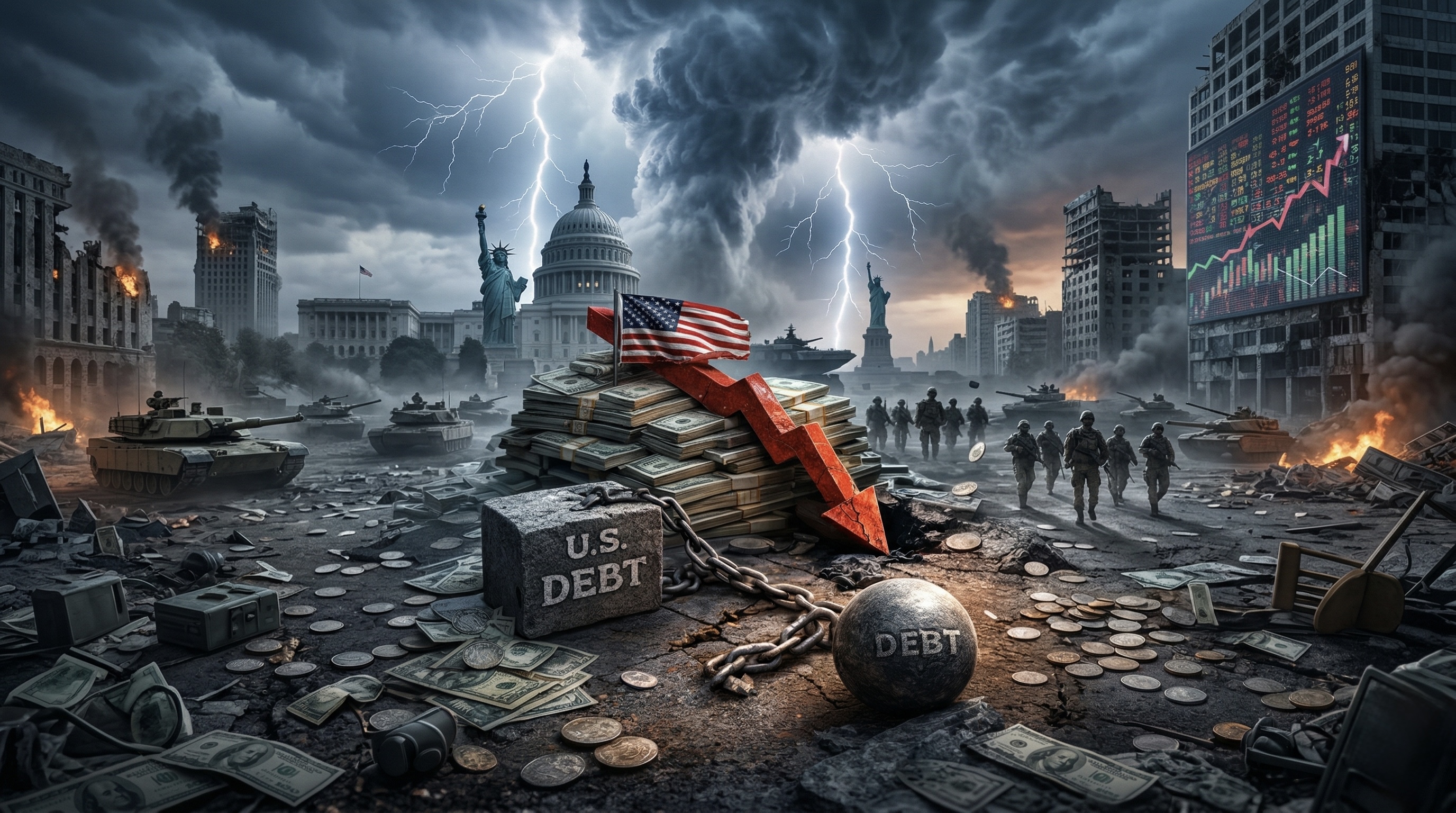
The US is at a historical economic juncture. By the beginning of 2026 the booming national debt has ceased to be a long-standing political rhetorical tool and increasingly become a structural problem. The combination of multiple strong forces is causing this surge: the residual impact of pandemic-related stimulus, new tax law aggression, the growing international defence burden, and the demographic necessity of an ageing population.
The Effect of the One Big Beautiful Bill
The centre of the present-day fiscal debate is the One Big Beautiful Bill (OBBB), which was passed in mid-2025. Although the administration is promoting the act as the key to the 2026 fiscal perspective, the long-term effects of the act are still under a lot of scrutiny. Advocates cite concrete benefits: the act would stimulate a meaningful economic boom, which would see a real GDP growth rise to 2.2 per cent in 2026.
One of the main pillars of the OBBBA is its radical approach to taxes cuts. The legislation will attempt to stimulate the supply of labour and give a direct stimulus to the consumer spending, by removing tax on the tips and overtime compensation. Nevertheless, the clean slate of growth has a high cost. It has been estimated that the OBBBA will increase the national debt by over half a trillion within the next decade.
The critics state that the 2025 reconciliation act that shifted large sums of money off of green-energy investments and social programmes in favour of these tax cuts, could have focused on short-term productivity incentives rather than long-term stability. Although these changes follow the supply-side economic ideology of the administration, the subsequent debt piling would backfire on its own growth which the bill aims to generate.
A New Wave of Defence Buildup
An enormous change in military expenditure also makes the fiscal environment more complicated. In 2026, national defence has reached a broad new level, and the administration suggests the 13 percent growth in defence budget authority. This action puts the defence budget at its highest point of 1.01 trillion.
This spending pressure would not go away. According to the analyst, to counter emerging challenges in the world, U.S. defence expenditure should increase to 3.5 percent of GDP by 2035 which is a strategic requirement. It would cost this an extra, or increased, 400 billion dollars per year in appropriations, a huge disparity between the needs of the military and financial reality.
The Demographic Deficit
The changing composition of the American people is perhaps the most inertia that puts a strain on the budget. The face of the U.S. is on the verge of a demographic tipping point according to the Congressional Budget Office (CBO). By 2030, the population will experience a net increase that is entirely due to net immigration as the number of deaths will surpass the number of births.
This presents a structural deficit that cannot be addressed by using discretionary spending cuts. The pool of workers to pay payroll taxes reduces as the number of retirees who receive benefits increases. This imbalance ceased to be an off-the-record theoretical game; it is now mathematical fact that is putting a strain on the federal balance sheet.
The Rising Cost of Interest
The short-term effect of all these pressures is the enormous increase in the cost of servicing the debt itself. The figures are staggering: • Fiscal Year 2025: Interest payment in the U.S. was at 970billion. • 2026 Outlook: It is projected that net interest payments will rise to $1.0 trillion a year.
Interest has been made to be the second-largest federal expenditure ever in all of modern history. It has become the fastest growing category, surpassing the national defence expenditures as well as Medicare. In response, Treasury Secretary Scott Bessent has proposed the so-called 3-3-3 plan, which is a growth and efficiency plan aimed at levelling the debt curve.
History Lessons: The 1835 Clean Slate
With lawmakers struggling to pay off trillions of dollars in debts, a number of them are looking back to a special point in the American history. January 1, 1835, President Andrew Jackson saw the fulfilment of a long-time ambition when he was able to pay off the national debt to the last cent. The national debt was famously labelled a national curse by Jackson, its strong opponent.
This surplus was obtained by the government by an alliance of controversial and aggressive measures: 1. Massive Land Sales: Disposing of federal land in the West. 2. High Tariffs: Continuing to have high taxes on imported goods.
This clean slate did not last long as the country started borrowing again after a severe financial crisis hit the country in 1836. The size of the U.S. economy today and the character of finance in the world today makes any reversion to a debt-free position quite impossible.
The problems of 2026 and beyond is not that you have to combat the debt, but that you have to cope with it. The window of effective reform is closing as interest payments grow to take a larger portion of the federal budget than the military or healthcare. The question of whether the so-called 3-3-3 plan or additional legislative actions can offer a way out to a sustainable world is the question of the decade in economics.