
US Marine Veteran Freed From Russian Custody
Robert Gilman returns home after four years of detention his family calls abusive, in a release Washington says involved no prisoner exchange
Synopsis
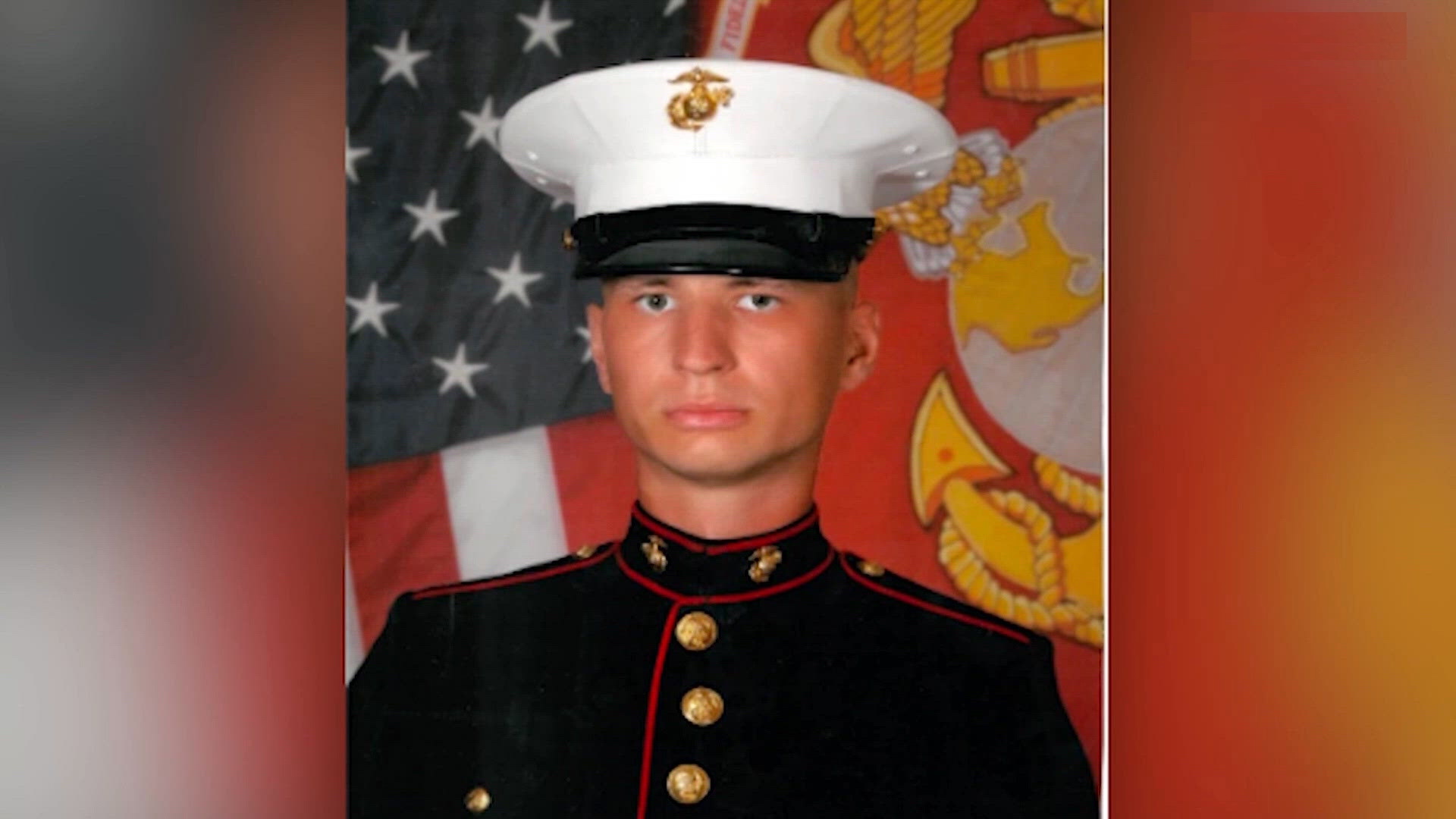
Massachusetts teacher Robert Gilman, 32, a former US Marine, was freed from over four years of unjust and abusive detention in Russia, his family and US officials say. But in past versions, there was no prisoner exchange, says Washington, with President Trump attributing it to direct talks with President Putin.
The Release of detenu
An American military veteran was released by Russia on Tuesday, after four years in which his family and U.S. officials say he suffered what amounted to an unlawful arrest and mistreatment to the point that he was near death.
Robert Gilman was released after president Donald Trump said he had spoken with Russian president Vladimir Putin about his release, which he termed "very much on a Humanitarian Basis.
“This is an important decision — Russia did not ask for anything in exchange,” Trump wrote on his new social media platform, Truth Social. A U.S. official says Putin granted a pardon to Gilman.
A Family's Ordeal
Since 2022, Gilman has been held in Russia, where there were reportedly concerns he had fallen into a ‘dissociative stupor' more than six weeks before being released, said Eric Lebson, chief strategy officer of the advocacy organisation Global Reach. A State Department spokesperson had echoed being "deeply concerned" about his health and continued detention.
His sister, Lexie Hudson, told the story of the family's travails: "The Russians treated my brother so badly. They hurt him for no reason, other than that he was an American and a Marine. So what did they come out with? Why would they make their way so cruelly against such a lovely person?
The release was made possible by President Trump and US Senator Ed Markey of Massachusetts, she said. "Without President Trump knowing about the case and making some kind of call for action, Robert would not be alive today.
The statement was also succinct and pointed by Senator Markey: "It is a tragedy that it took Robert's near death for his case to receive the attention that it deserved to be released with, and that Robert was subjected to physical torture, forced medication, and provocations by Russian authorities throughout his detention.
The official statements and unresolved questions
Gilman's father has contested the charges against his son and the State Department has concluded that Gilman was unjustly detained. Secretary of State Marco Rubio applauded the release but noted that the administration is "still working to get all other Americans who have been wrongfully detained back home as soon as possible, including wrongful detainee Stephen Hubbard.
In 2022, Hubbard was arrested and charged in Ukraine for fighting in the conflict between the nation and Russia, a retired teacher.
Global Reach said that Gilman was scheduled to head to a US military hospital in Texas upon his return. Russia's Federal Penitentiary Service did not respond to requests for comment on his poor health in custody, nor did Russian authorities comment immediately on the release itself.
Context: A Recurring Pattern
In recent years, the number of Americans arrested in Russia has grown and there are growing concerns that Russia has been making arrests strategically.
This time around this release is a departure from other high-profile releases that resulted in the exchange of journalists, including Evan Gershkovich, Marine veteran Paul Whelan and journalist Alsu Kurmasheva in 2024, who were all released in a prisoner swap involving multiple countries.
Although Trump admits that the decision to let Gilman go was made under an “informal understanding” that Moscow gave him, there was no similar deal from Washington, investigators and critics noted.
Why This Matters
The case also reflects the potential for the release of American citizens held in Russia through direct, high-level diplomacy and the capricious nature of timing — that is, Gilman's release came only when his condition had reached almost a point of endangerment, a fact rights advocates say should not be a criterion for humanitarian intervention.
What Comes Next
Whether the release of Gilman is an indication of a broader thaw to allow for more other individual releases — including that of Stephen Hubbard — or whether it is a one-off humanitarian gesture separate from the overall course of US-Russia relations will be the subject of attention now.