
US Midterm Results 2026
What the Democratic Win Means for India
Synopsis
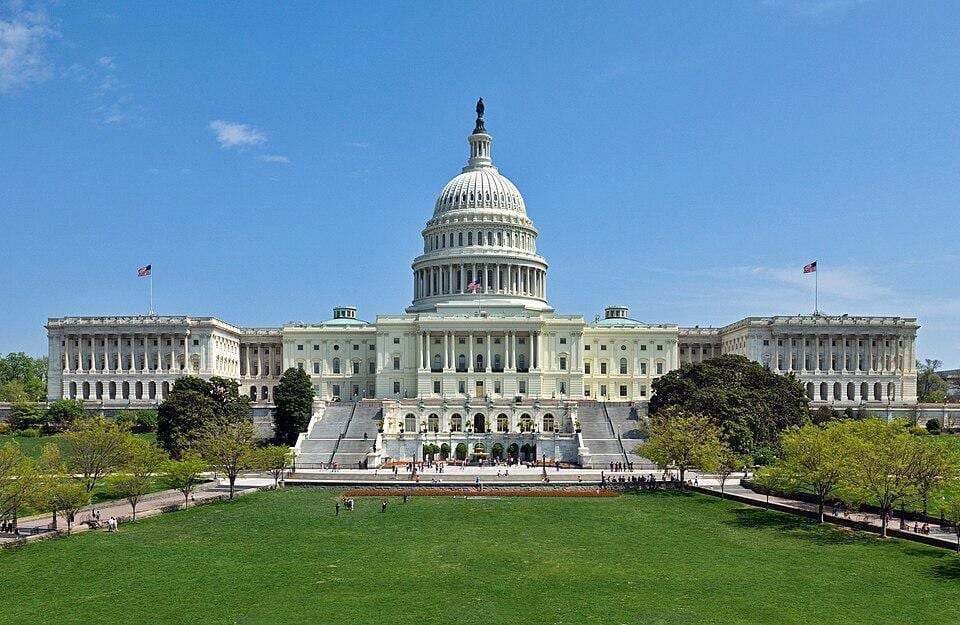
To give you all a preview: Trump has lost the Congress and the Senate, but he is still holding onto his ‘veto pen’, his tariff powers and of course his own brand of unpredictability, and this may be what India is really gaining from it. Democrats have taken control of both chambers of Congress, inflicting a major blow to the Republican Party and Trump, himself. But wait, let’s not pop open the champagne yet. In context to India, tariffs, visas and foreign policy remain in Trump's hands and he has already pledged to be “Mr Veto”. But with the Democrats making the majority of the congress, New Delhi may just have more leverage now. It'll take definitely more than one election night to work out tariffs, Russian oil, H-1B fees and the stock market, but India stays hopeful.
India-US Trade Deal After US Midterms: Faster or Slower?
In February 2026, India and the US reached a trade deal, which will reduce the tariff on Indian products from 50% to 18%. Then in February, 2026 the US Supreme Court issued a 6-3 decision that the law used by Trump to impose such tariffs and strike such deals, in reality never gave him the power to do so.
Hence the 18% rate that was promised to India was never actually applied, and since the deal never happened in the first place to still apply tariffs most Indian goods were and are still being subjected to a 10% Section 301 duty since July 2026. The section 301 legally implies a surcharge of 10%, which is still less than 50% but more than what was promised to New Delhi. Commerce Minister Piyush Goyal has also said that the interim agreement is in its last stages of preparation, but no signing date has been mentioned yet.
Experts are split. Some say a weaker Trump gives India a real chance to negotiate a fairer deal. Others warn India to tread carefully, because a Trump stung by the loss may push harder for a quick deal so he can show he’s still the boss. Either way, a bill that reduces tariffs is unlikely to get through Congress since Democrats are not necessarily free-traders. The New Delhi Summit has been overshadowed by a sense of uncertainty.
Russia's Oil and Tariffs: Why New Delhi Can't Breathe Easy
On September 18, 2026 a law came in power which plainly enabled the levying of tariffs up to 100% , which was imposed on the largest buyers of Russian oil and gas. Although in typical Trump style, the POTUS decided to take the law back and waive it. But alas the relief was short-lived, because the law was waived but it had no expiration date so it can be yanked back any minute. It’s like a loaded tariff gun that’s not in the hand anymore but it’s still in sight.
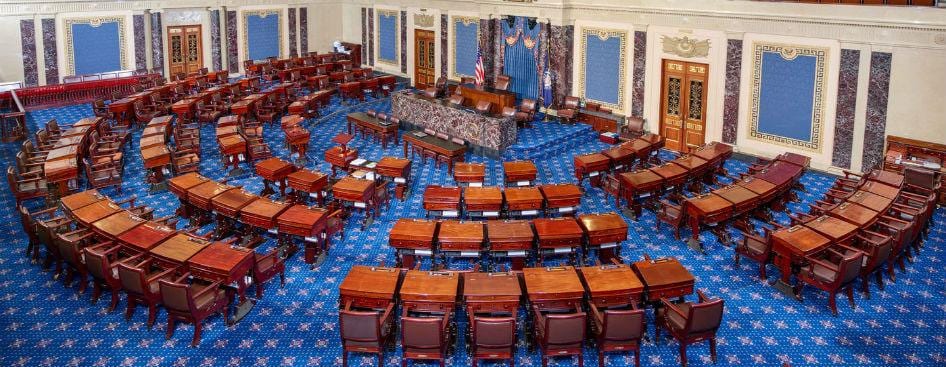
Unfortunately for India, the new Congress is unlikely to do much about this too. So lets not expect the democrats to go softer on Moscow. When the Treasury let Indian refiners buy Russian oil during the Hormuz disruption in March, they objected, rather loudly. And since the sanction law was passed after being approved by both the houses, India cannot count upon the Democrats to stop Trump when it’s all coming down.
Meanwhile, the Iran war has been rattling global oil supply for about eight months. It was reported that during the last week of October 2026 the Brent crude was around $104 ( ₹ 9800) a barrel. So India is being told to steer clear of Russian crude exactly when every barrel costs a fortune. Between a rock and a hard place? More like between a sanctions law and a petrol pump.
H-1B Visa Fee After the US Midterms: What Changes for Indian Techies?
In September, 2025 it was announced that a $100,000 fee would be introduced on certain H-1B visa. Which then posed a problem for Indian nationals since they receive the highest number of approvals for H-1B.
But wait, there’s a surprise: This is now predominantly a courts and White House story, not a Congress story. Courts have now halted fee collection from July, 2026. Judge Jackson agreed that this fee is "in substance a tax" but that taxes can be levied only by Congress, after a Massachusetts judge, in a case brought by 20 states, ruled that it is in substance a tax, and only Congress can levy taxes. Yet a September 18 proclamation extended the fee until September, 2027.
So, the question is can the new Congress come to the rescue? Sadly, not so soon. The congress doesn’t come into office until January 2027, and Trump can still veto any bill that restricts the fee. Democrats will conduct more hearings on immigration, but no Democratic immigration bill has been reported. So, there is no quick fix, no instant relief.
Sensex and Nifty After the US Midterms: Cheers First, Hangover Later
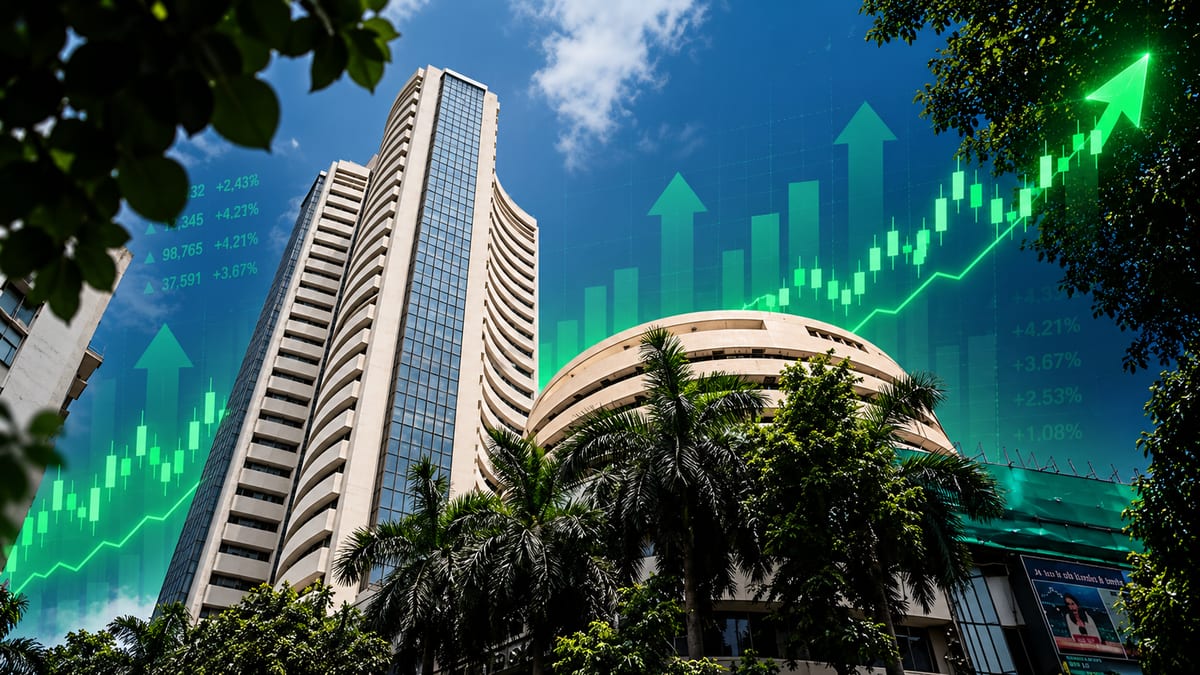
Indian markets were in a good mood when they walked in to the results. The Nifty 50 and Sensex had climbed about 5% in four sessions to two-month highs, thanks to good earnings, cooler oil prices and foreign investors coming back with about ₹6,837 crore of net buying on Tuesday, November 3, 2026.
Then on Wednesday, November 4, 2026 both indices reached a high, the Nifty closed at 23,946.35 and Sensex at 77,396.04 but the rallies were short-lived and the cheer faded as the Democratic wins became clear. IT stocks led the slide, down 2.2%, because the sector is jumpy about US immigration and outsourcing rules, and services demand is already weak.
History offers solace though, some analysts say Indian indices have risen in the post-US midterm period in the past. But history is not a trading game, and markets will continue to focus on the oil price, tariffs and the trade deal much more than the vote count.
India-US Strategic Ties After the Midterms: Business as Usual
But on the good news front: defense, the Indo-Pacific and the Quad, both US parties are on board, so we shouldn’t expect drama. A Democratic Congress might even calm Washington’s foreign policy a little. India’s real beef, as an analysis put it, is with Trump’s approach, not with America itself.
Now to the fine print. Trump still has his veto, his executive powers and a Senate filibuster that chokes most big bills. Democrats can hold hearings, issue subpoenas and flex their budget muscles, but they can’t scrap an executive tariff or rewrite a visa proclamation on their own.
The bottom line: Trump got a rebuke, and India may get a little extra bargaining room. But the people who decide tariffs, visas and sanctions are the same ones as before. So India’s best play is the unglamorous one: negotiate, keep every option open, and never confuse an election result with a signed trade deal.
Latest News
- ◆Punjab Stubble Burning: Cases Tally Hits 2787; 710 FIRs Registered
- ◆Supreme Court Leaves Rotation of Reserved Seats to Parliament
- ◆Supreme Court Allows Green Crackers in Delhi-NCR for Two Days
- ◆Indian IT Stocks Hold Firm Amid Global AI Sell-Off
- ◆Brent Dips Below $100, Then Edges Back Above as Hormuz losses Stability