US Midterm Results 2026: Democrats Win Congress and Trump Gets a Reality Check
Democrats flipped red states, took the House and Senate, and left the White House posting “PSA: Trump is still your president.”
Synopsis
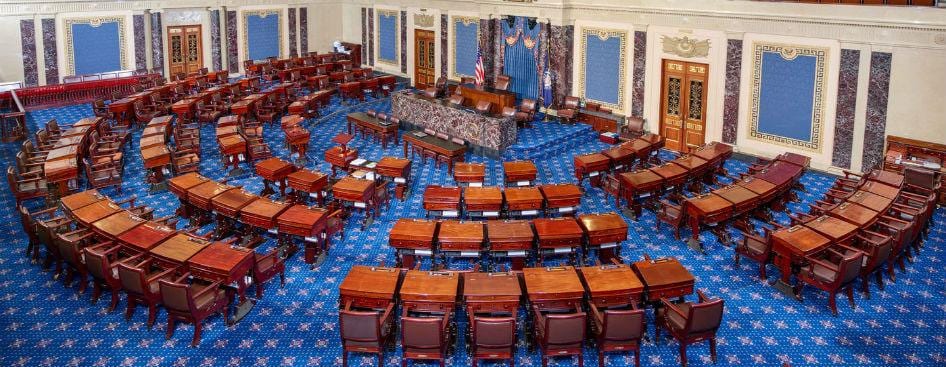
On Tuesday, 3rd November, 2026, Americans voted for the midterm elections, which fall halfway through a president’s term. Democrats won both the House and the Senate. They flipped Senate seats in Texas, Kansas and South Carolina, and won governor races in several Republican strongholds. Voters pointed to high living costs and the unpopular Iran war. Trump says it’s “not a hit on me.” Here’s what happened and why it matters.
What Happened in the US Midterm Elections?
The main highlight of the event is the Democrats taking control of the US House and Senate. But first, let's cover the basics, shall we? Midterm elections happen two years into a president’s four-year term. Americans vote for every seat in the House of Representatives, about a third of the Senate, and many governors. The president isn’t on the ballot, but the vote is usually read as a report card. It’s like a parent-teacher meeting where only one side talks, predicting how the final report may look.
This year’s report card was rough for Donald Trump. Democrats won control of both chambers of Congress. Reports said they flipped more than two dozen House seats, such as in Texas, Kansas, etc. Some were in districts where Trump had won by double digits in 2024. Hakeem Jeffries, the House Democratic leader, is expected to become Speaker in January. Speaker Mike Johnson conceded the House and promised Republicans would “take back the House” in 2028.
Texas, Kansas and South Carolina Turn Blue (Yes, Really)
The headlining news that stood out this time was that seats that haven’t gone Democratic in decades just did. The Senate is where the main shock was. According to live-blog tallies, Democrats flipped seven Senate seats: Texas, Kansas, South Carolina, Ohio, North Carolina, Iowa and Maine. Kansas had not elected a Democratic senator since 1932. In Texas, James Talarico beat Republican Ken Paxton and declared, “We just took back Texas.” Democrats also held Georgia and Michigan. In Michigan, Abdul El-Sayed won and is set to become the first Muslim US senator. One projection error there was corrected along the way.
Governors were not spared either. Democrats won in Georgia, Ohio, Iowa and Texas. Keisha Lance Bottoms became Georgia’s first Black woman governor, and Amy Acton beat Trump-backed Vivek Ramaswamy in Ohio. Democrats are on course to hold a majority of governorships for the first time since 2006. Republicans did win some big races. Tommy Tuberville took Alabama’s governorship, and Marsha Blackburn won in Tennessee.
Why Did Voters Turn on Republicans?
Trump had told supporters to “pretend I’m on the ballot.” Plenty of voters took him at his word. According to the polls, about 4 in 10 voters said they voted just to oppose Trump. Fewer than 2 in 10 said they voted to support him. About 6 in 10 disapproved of how he’s handling the presidency. Roughly 7 in 10 said Congress is not doing enough to keep presidential power in check.
The reasons were mostly in the wallet. Living costs were a top concern, and fuel prices rose with the war in Iran. Even Florida Governor Ron DeSantis, a Republican, said party colleagues who brush off high gas prices are “gaslighting” voters. Ballot measures told a similar story. Voters rejected Trump’s redistricting efforts where he had suggested redrawing the boundaries of voting districts, a process often accused of favoring whoever draws the lines. In short, voters rejected Trump.
What Happens Next: Investigations, Vetoes and Gridlock
When Congress is split between parties, it’s called divided government. Expect gridlock, where little gets passed because each side blocks the other. Trump still holds a veto, the president’s power to reject a bill. He posted an image of a red “VETO” cap and said he’d “veto everything” if Democrats don’t cooperate.
Democrats can’t just rewrite policy. But from January, they control committees and can launch oversight investigations, which means digging into what the administration is doing. Robert Garcia, set to chair the House Oversight Committee, told Trump’s circle to “lawyer up.” Jeffries said priorities should be living costs, not “retribution.” Control of the Senate also means Democrats can block Trump’s nominees, including any future Supreme Court pick. So Trump may have a veto, but the free smooth ride is long over.
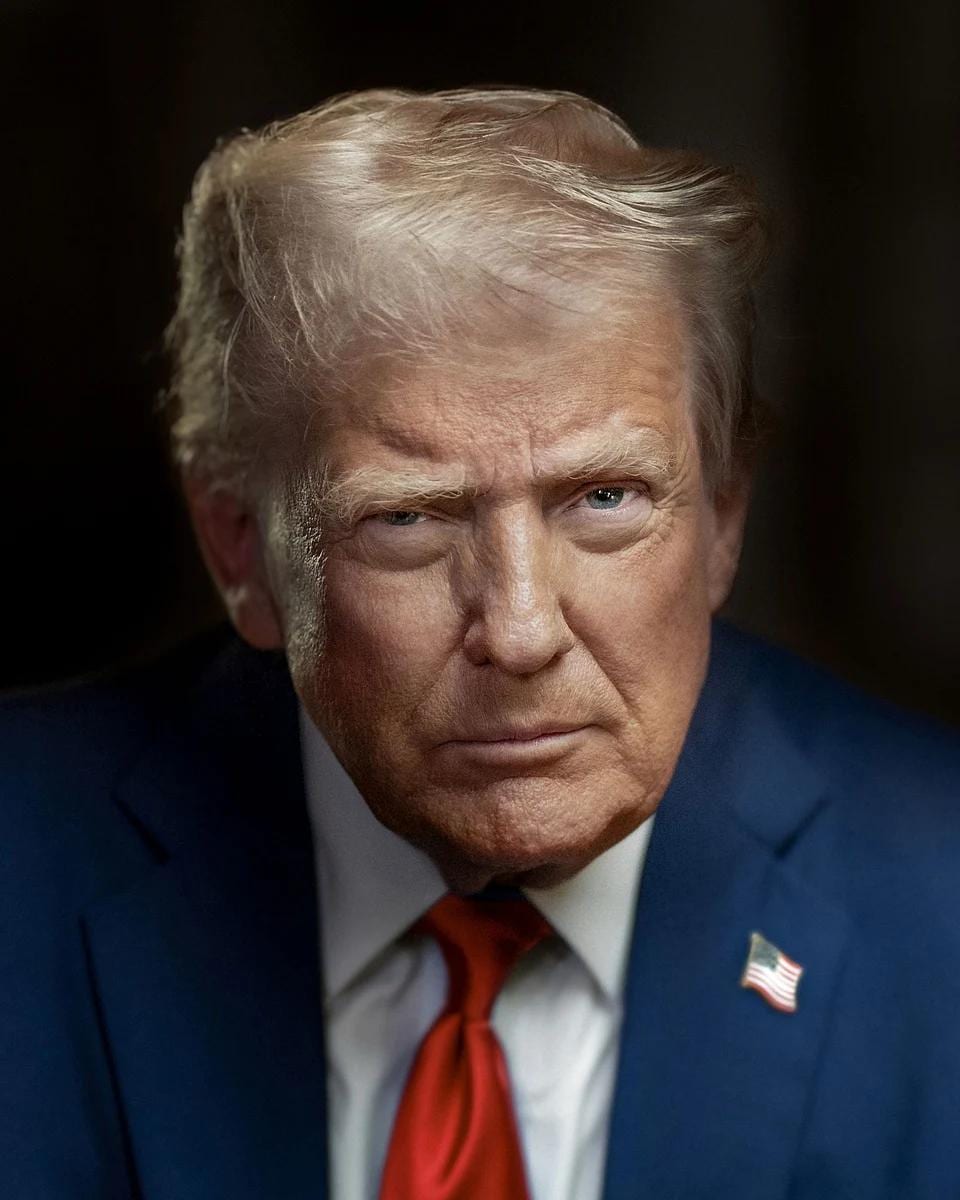
Trump called the Democrats’ win “a good job” but said, “I don’t view it as a hit on me.” He blamed his own party’s candidates. A Trump adviser also said that the result was “too big to rig.” Markets took it calmly. US stock futures rose, and gold jumped above $4,000 an ounce as the dollar fell.
What’s Still Undecided, and What It Means for India
Not everything is settled. A race is projected when news outlets and decision desks say a winner is clear, even before counting ends. Alaska’s Senate race, between Republican Dan Sullivan and Democrat Mary Peltola, was still uncalled. So was Mississippi’s. At one point, only 43 votes separated Republican Cindy Hyde-Smith and Democrat Scott Colom, with about 15,000 provisional ballots reportedly still to be checked. Several House races across 23 states were also undecided.
For Indian readers, Bloomberg’s analysis, as quoted in the live coverage, makes three points. Tighter congressional scrutiny of Trump’s tariffs could help India. A weaker Trump might give New Delhi more bargaining power in trade talks. But H-1B visa worries and the Iran war’s effect on energy prices haven’t gone away. Ami Bera, the longest-serving Indian-American in Congress, won an eighth term.
Latest News
- ◆Punjab Stubble Burning: Cases Tally Hits 2787; 710 FIRs Registered
- ◆Supreme Court Leaves Rotation of Reserved Seats to Parliament
- ◆Supreme Court Allows Green Crackers in Delhi-NCR for Two Days
- ◆Indian IT Stocks Hold Firm Amid Global AI Sell-Off
- ◆Brent Dips Below $100, Then Edges Back Above as Hormuz losses Stability
Read More
Trump Reacts to Midterm Loss: “Not a Hit on Me.” Here’s What Voters, Rivals and the World Said

No Group Photo: Rubio Calls Off Family Photo at G20 FMs Meeting Over Russia Row