
US to hold falling Yen currently at a 40 year low
Japan has announced a joint venture with the United States to conduct a yen-buying intervention that will counter the yen's fall in value.
Synopsis
Initiation of the first joint intervention between US and Japan since 2011 begins as Japan's finance ministry announced the venture, explaining that the plan was to counter "excessive volatility and disorderly movements in the Japanese yen". He also assured that if the issue is not resolved, they will plan for further joint ventures.
U.S. Treasury Secretary Scott Bessent said on Sunday he will not hesitate to repeat a U.S. and Japanese coordinated foreign exchange intervention that countered disorderly yen movements and urged that a Federal Reserve backstop for foreign central banks and monetary authorities be "upsized."
Bessent indicated in a social media posting on X that the Fed's Foreign and International Monetary Authorities lending facility was used in the coordinated action on Friday, which was confirmed by Japan's finance ministry and President Donald Trump.
Created by the Fed during the COVID-19 pandemic crisis, the FIMA Repo Facility allows countries that keep Treasury securities on deposit at the New York Fed to get up to $60 billion in U.S. dollar loans for up to seven days. The loans are offered at a rate typically above the open-market repo rate, so the expectation is that its use would be limited to times of market stress.
Positioning of Yen in global currency market
The Japanese yen had hit 163.73 against the greenback on Thursday last week, and strengthened to 157.57 on Friday. It was trading at 157.70 per dollar on Monday. The yen’s weakness has become an increasing concern for Tokyo, with the currency recently falling to its lowest level in roughly four decades against the dollar.
“In accordance with the ‘Joint Statement of the Japanese and U.S. Finance Ministers’” issued in September 2025 and was aimed at addressing “the recent excessive volatility and disorderly movements of the yen.” Says ministry officials.
The U.S. had participated in last week’s coordinated intervention to help the yen as a gesture of support for Japan and in the interest of global economic stability.
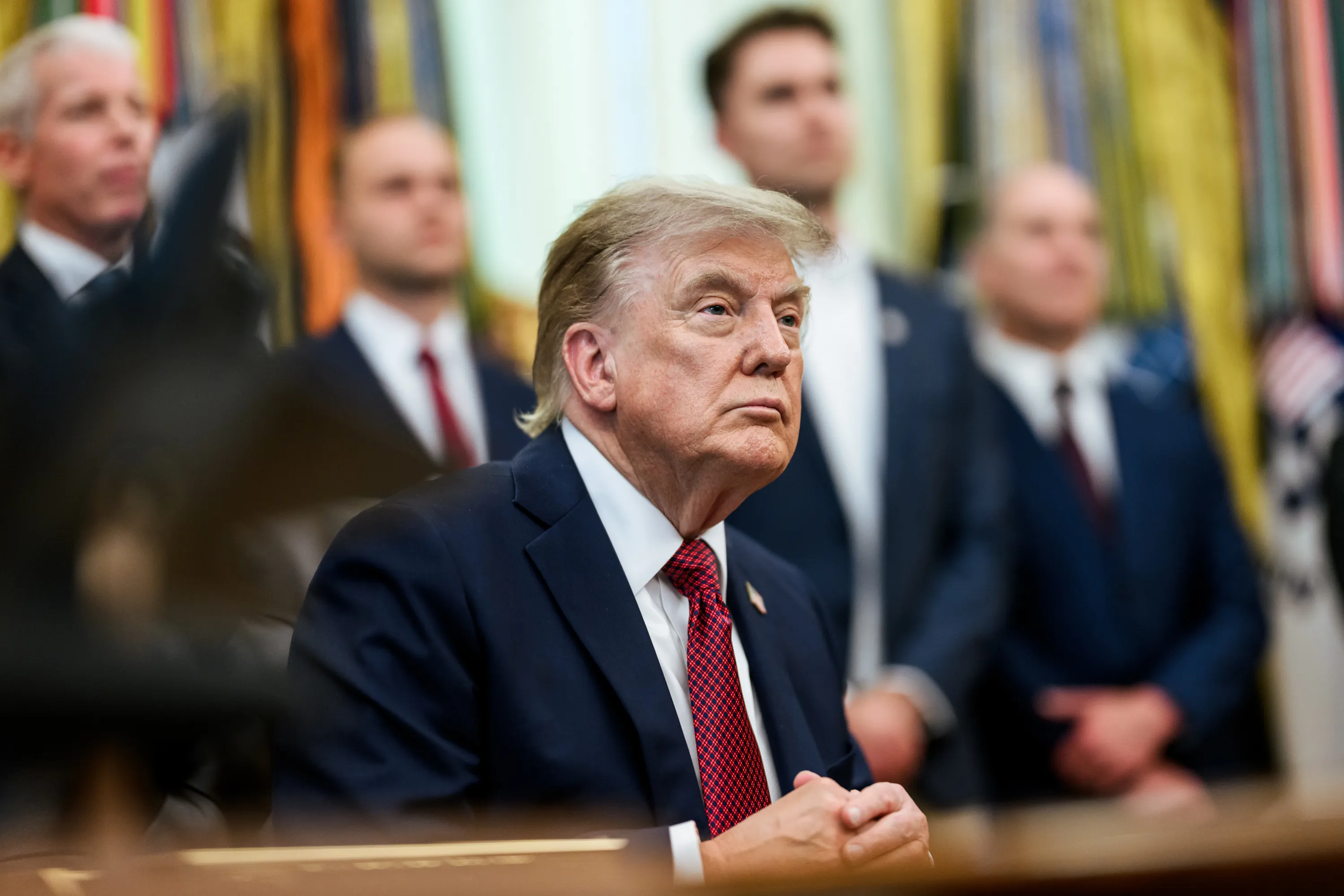
“They wanted a little bit of help, and we’re always there for Japan,” Trump told reporters aboard Air Force One on Sunday, citing the “good relationship” between the two allies. “More than anything else, it was a signal of friendship,” said Trump.
If Washington sold euros instead of dollars to buy yen, investors may infer U.S. officials were trying to spare Japan from selling U.S. Treasury to finance intervention, he added.
Latest News
- ◆NSE's $2.3 Billion IPO Draws Over $10 Billion In Bids
- ◆India-New Zealand Free Trade Pact To Take Effect October 20
- ◆Tata Group Governance Feud Deepens Over Chandrasekaran's Term
- ◆India Reaffirms Push For Constructive Ties With Bangladesh
- ◆Teen Gang-Raped Near Delhi Temple, One Suspect Held In Encounter