
When India Was Running Out of Breath
During the deadliest days of the second COVID wave, a group of teenagers answered 4,281 distress calls from their bedrooms and unknowingly inspired the name of a newborn child.

In 2021, India felt unbearably quiet and unbearably loud at the same time. Quiet inside hospital corridors where families waited helplessly for oxygen. Loud with ambulance sirens, frantic phone calls, and the constant ringing of unanswered numbers
The second wave of COVID-19 did not just overwhelm the country’s healthcare system but it broke families in real time. People searched endlessly for ICU beds. Oxygen cylinders became impossible to find. Social media turned into emergency control rooms where strangers begged strangers for help.
And somewhere in the middle of that chaos, a group of school students picked up their phones and decided they would not let those calls go unanswered.
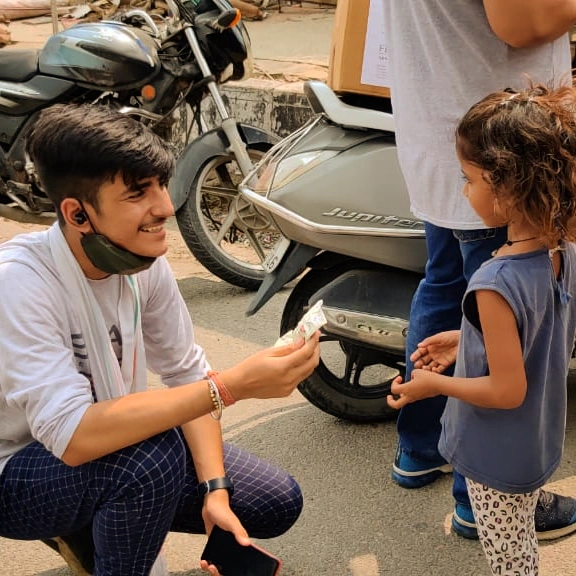
They called themselves Team Aasha
They had no office. No funding. No authority. What they had was Wi-Fi, notebooks, sleepless nights, and the stubborn belief that even one verified phone number could save a life.
The night that changed it all
The story began when a teenager spent nearly eight hours trying to find a ventilator bed for a friend’s father. Every call sounded the same. No response. No availability. No hope.
“That night I understood what helplessness sounds like,” recalled Manish Sharma, President of Team Aasha. “It sounds like a dial tone.”
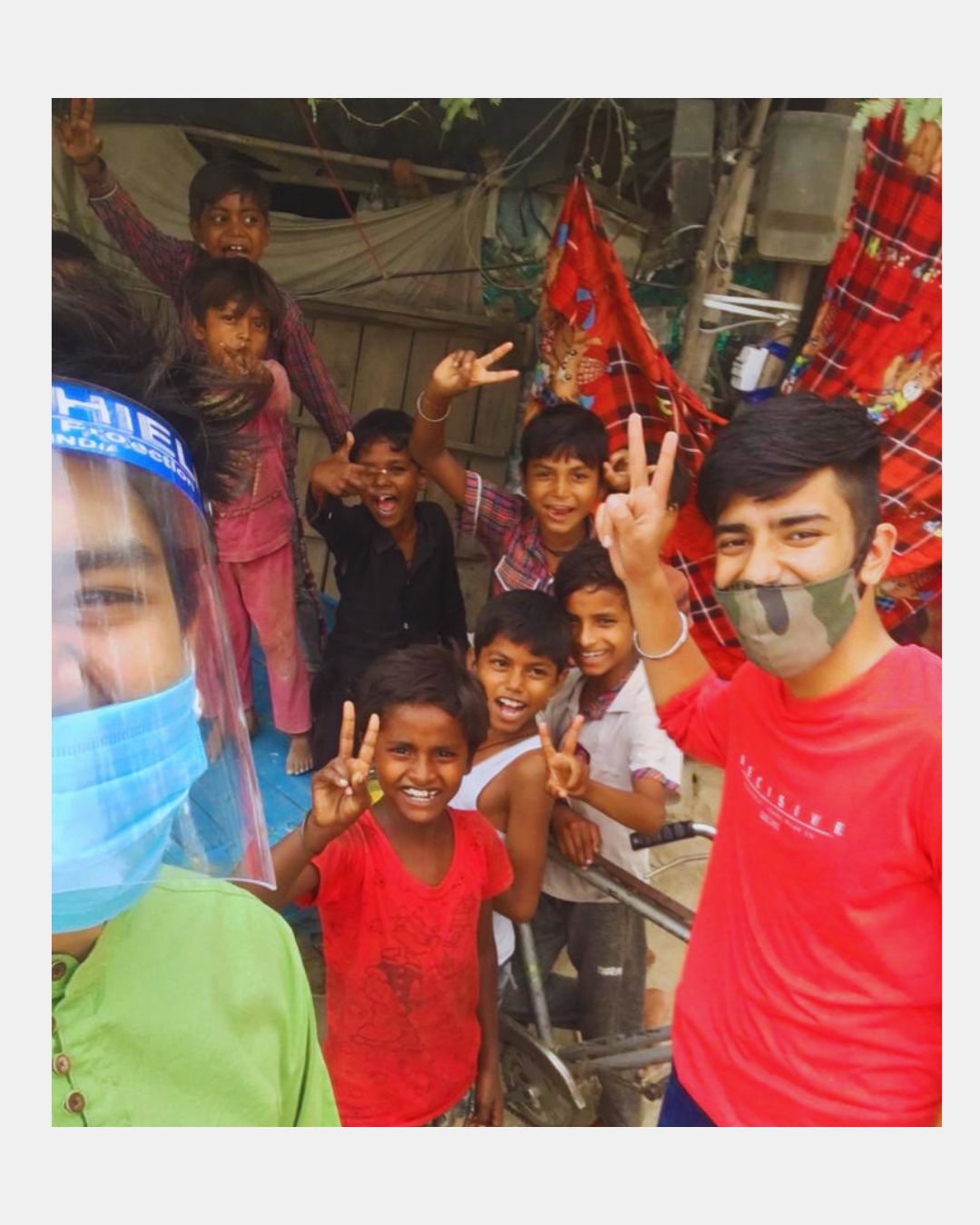
For many people during the pandemic, that dial tone became a memory they still cannot forget. But for these students, it became a turning point. There was no formal discussion about starting an organisation. No launch announcement. Just a few teenagers who realised that information had become the difference between life and death and somebody needed to organise it. So they started building a network.
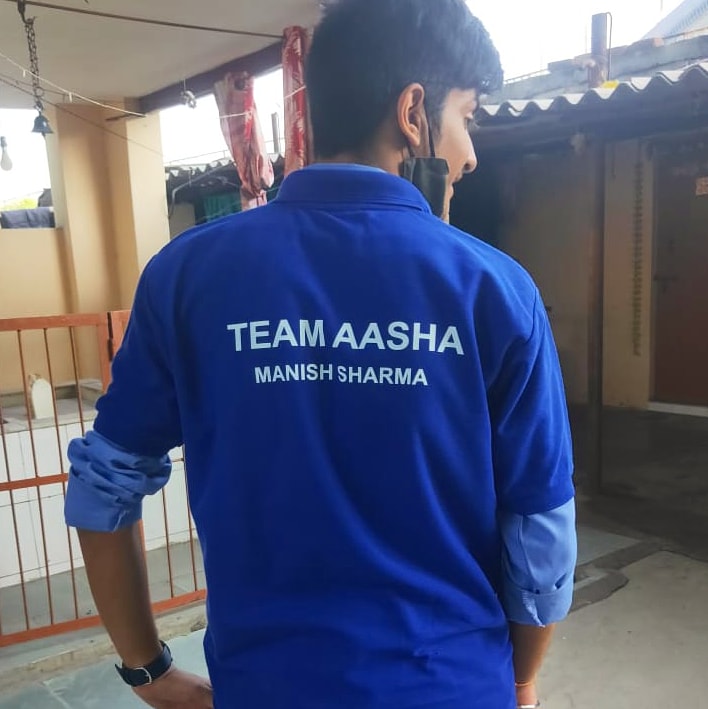
Teenagers Working Through the Night
From their bedrooms and study tables, the students began verifying leads manually. Oxygen suppliers. ICU beds. Ambulances. Medicines. Doctors available for online consultations. Every contact was checked before being forwarded to desperate families.
At a time when misinformation spread faster than the virus itself, trust became their most important service. Sometimes they worked through entire nights without sleeping. Sometimes they lost patients before help could arrive. Those names, they say, stayed with them. But many survived.
Over the course of the second wave, Team Aasha responded to 4,281 distress calls and successfully connected 3,807 people to medical assistance and emergency resources. Behind every number was a terrified family praying someone would answer the phone.
3:27 PM. Patna. A Life on the Line
One afternoon in May 2021, a call came in from Patna, Bihar. A pregnant woman urgently needed an ICU bed. Time was running out. The students moved immediately; making calls, activating contacts, coordinating with local administration. Seven minutes later, the family had been connected to help.
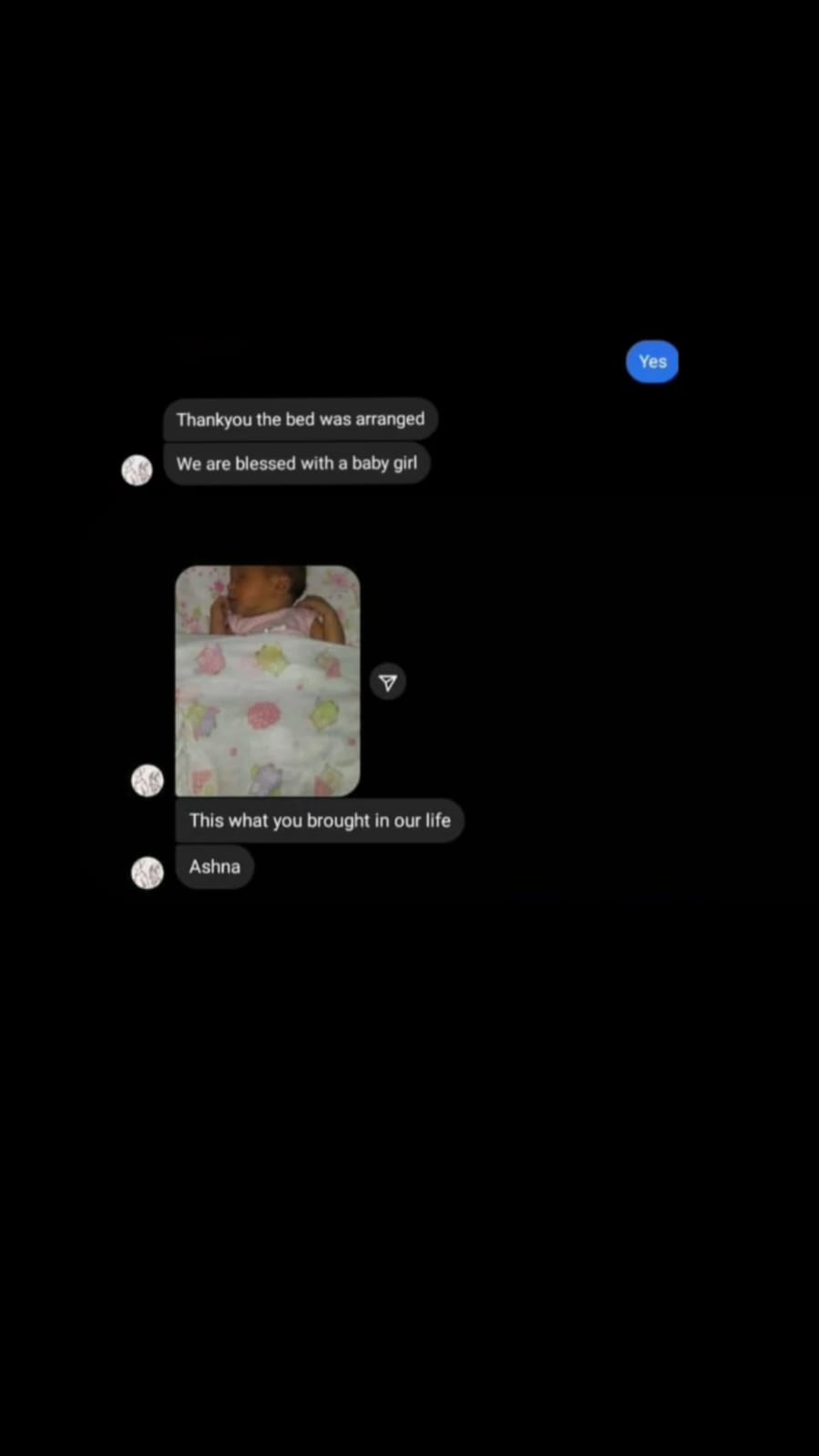
Seven minutes. That was the difference between panic and relief. Between uncertainty and survival. The next evening, Team Aasha received a message. The baby had been delivered safely. A girl. Then came a line that silenced the volunteers on the other side of the screen:
“This is what you brought into our life.” The family named their daughter Ashna, inspired by Aasha. Today, Ashna is five years old.
She may never fully know the story behind her name. That somewhere, during one of India’s darkest nights, a few exhausted school students stayed awake answering calls from strangers because they simply could not ignore them. But her name carries that memory. A reminder that hope sometimes arrives not through institutions or headlines but through ordinary people who decide to care.
More Than Just Online Help
The work was not limited to phone calls. Even while risking infection themselves, volunteers stepped out to distribute masks, ration kits, sanitary pads, medicines, clothes, and meals to vulnerable communities affected by the pandemic.
● More than 20,000 meals distributed ● Around 2,000 clothes provided to families in need ● Over 1,500 masks distributed ●Hundreds of sanitary pad kits and ration supplies delivered They were teenagers witnessing grief on a scale most adults struggle to process. And yet, they continued.
What Team Aasha Really Proved
India’s second COVID wave exposed painful truths about healthcare, preparedness, and inequality. But it also revealed something else. That even in moments of collapse, humanity survives through people who refuse to look away.
Team Aasha was never a government programme. It had no corporate backing or public campaign. It was simply a group of young people who understood that when someone calls for help, silence should never be the answer.
Their story is not just about the pandemic anymore. It is about what becomes possible when empathy turns into action. And somewhere in Bihar, a little girl named Ashna continues to live as proof of that hope.