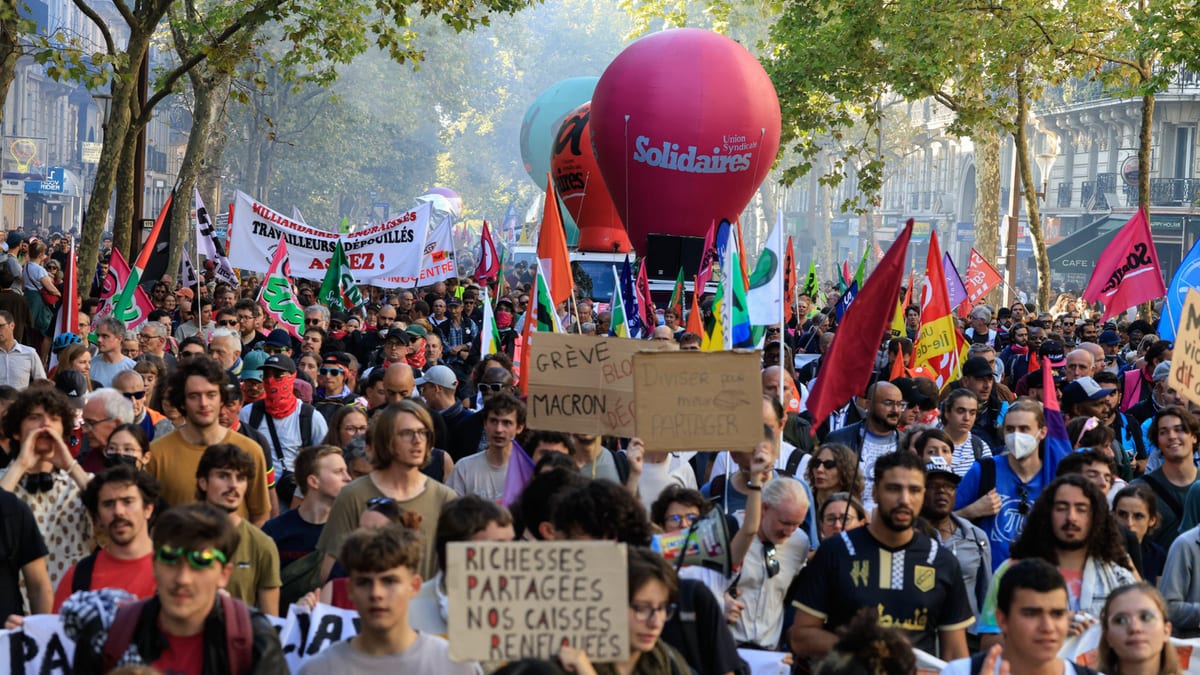
Xi Jinping Expels 33 Officials, 16 From the Military, in Record Party Purge
Beijing’s Fifth Plenum turned into a farewell party for a third of the guest list, with the army’s top table only seating two now
Synopsis
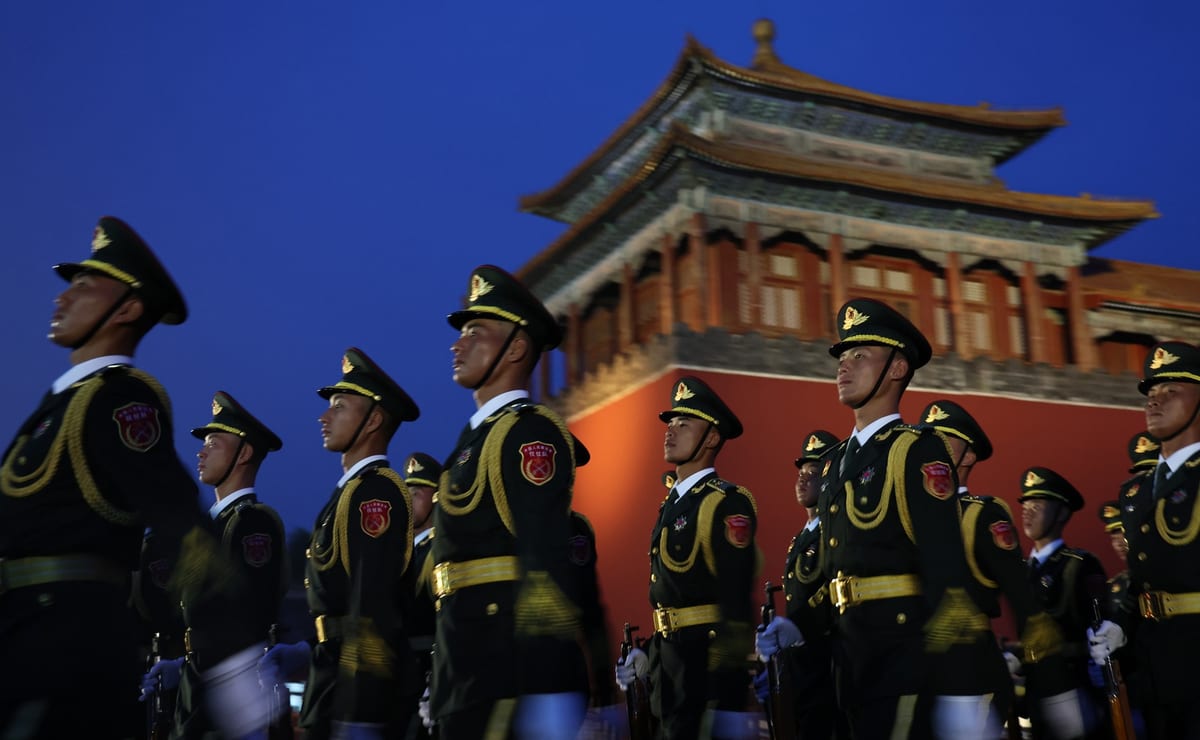
On 29th October, 2026, China’s Communist Party expelled 33 senior officials, with 16 of them being military figures, announcing it after a four-day Central Committee meeting in Beijing. The meeting, known as the Fifth Plenary Session of the 20th Central Committee, was held from October 26 to 29. Plenum attendance fell to 279, representing around 74.2 per cent of the total 376 members, making this the first time it dipped below 300 under Xi Jinping’s charge. The Central Military Commission is now down to Xi and Zhang Shengmin as the vice chairman. The party has claimed “serious hidden dangers” and says it is cleaning the house. Analysts say it looks more like a leader still fighting for control after 14 years in charge.
China Communist Party Expels 33 Officials: What Happened
The announcement came with plenty of drama and almost no detail. The Politburo signed off on the removals earlier, and the Central Committee had them rubber-stamped by the closing of its plenum, with the party announcing the result on October 29. The communiqué cited “serious disciplinary and legal violations” but named no specific charges. This has, although, become standard practice in Chinese politics: you’re out, you’re guilty, and you don’t get to know the details.
Xi Jinping’s Military Purge: 16 PLA Figures on the Chopping Block
Nearly half of the people on the list wore uniforms, and the generals are not having a good year. It was reported that out of the 33 apprehended, 16 were military officials. The highlighted names are Zhang Youxia, who was Xi’s second-in-command on the Central Military Commission until he was placed under investigation in January, and Liu Zhenli, the former chief of the joint staff department. Zhang was China’s highest-ranking general, so his fall is steep.
It was also alleged that officials from the military-industrial sector who had vanished from public view were also expelled. Among them is Zhang Zhongyang, former head of the aerospace giant CASC.
China’s Central Military Commission Down to Two Members
When the top table has a Xi-shaped hole in every other chair, it was only a matter of time before something like this happened. The commission that commands the People’s Liberation Army now has only two members left: Xi as the chairman and Zhang Shengmin, the military’s anti-corruption chief, as the vice chairman.
For context, this is the body at the top of the world’s largest standing army. The thinning first began in October 2025, when He Weidong and Miao Hua were expelled. He was the first sitting CMC general removed since the Cultural Revolution. It was also reported that 10 officials were promoted to full membership of the Central Committee, but top military posts remain open.
Central Committee Attendance Hits a Record Low Under Xi
Empty chairs make a louder statement than any communiqué, and the central committee members understood that assignment. Only 279 members attended, down from 315 at the fourth plenum in October 2025 and 364 in July 2024. Critics say this is the first sub-300 turnout of Xi’s tenure, and The Wall Street Journal even called it the lowest at a policy-setting meeting since Mao’s era.
The party’s own account of the meeting admitted to the “grave situation” of weak and hollow leadership. Zhang Fuhai of the discipline watchdog said the committee had eliminated serious hidden dangers in the party, state and military.
Strongman or Insecure? What the Purge Means Ahead of 2027
Same crackdown, two very different readings. Xi’s supporters see an anti-corruption drive that has run since 2012 and has disciplined millions of officials. Critics see a leader unable to fill his own top jobs. Experts have analysed the vacancies as reflecting Xi’s insecurity and unresolved power struggles. Either way, the next test is the 2027 party congress, where Xi is widely expected to seek another term. After this clean-up, only a few rivals are left standing to complain.
Latest News
- ◆PM-KISAN’s 24th Instalment Sends ₹18,690 Crore to 9.34 Crore Farmers
- ◆Heavy Rain Brings Delhi Its Cleanest October Air Day in Four Years
- ◆Reliance Industries Posts Record Quarterly Profit of ₹29,550 Crore on Refining Strength
- ◆Jio Platforms Reports 13.7% Profit Growth in First Results After Listing
- ◆Brent Crude Settles at Six-Month High of $117.64 After Hormuz Tanker Attack
Read More
No Group Photo: Rubio Calls Off Family Photo at G20 FMs Meeting Over Russia Row
Jaishankar Raises Alarm Over Attacks on Global Civilian Shipping