From Paris to Delhi: Streets Are Talking. Is Anyone Listening?
Same October, different democracies, one shared question: what happens after the crowd goes home?
Synopsis
Over the last 1 year, students, unions and “cockroaches” have filled the streets from France to India to Madagascar. The problems may differ: school budgets and living costs in one, voter rolls in the other, but the method to solve the problems was strikingly similar: taking it to the streets. It was also a matter of how each state answered. Some negotiated, some detained, some even changed governments. Looking at France, India, Nepal, Morocco and Madagascar, this piece asks what protest reveals about the health and the mindset of the democracies receiving it.
France: The Republic Does Its Favourite Hobby
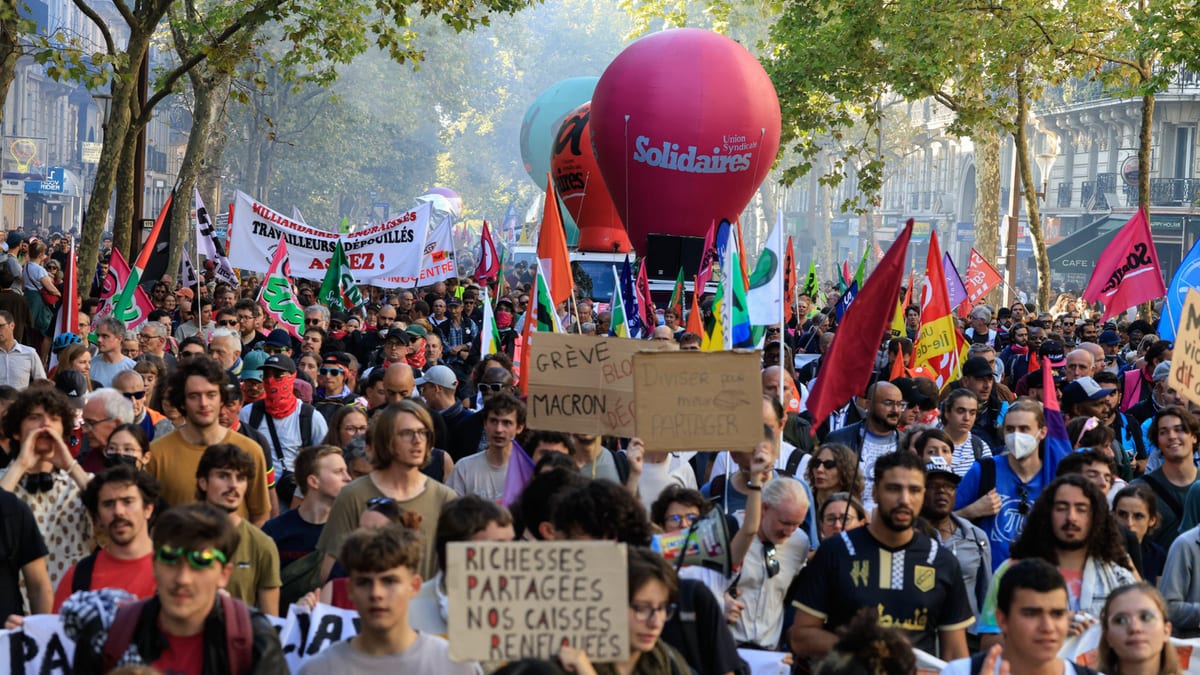
France protests the way other nations have tea, regularly. It's one country that treats protesting as both a political statement and a national pastime. This time, the October protest began loudly with lycée (high school) students, advocating for their right to well-structured schools. This then swelled into a coalition of unions, teachers, parents and ‘yellow vests’. Interior Minister Laurent Nuñez put the 17 October turnout at around 550,000, one of the largest protest days in recent years.
The state’s reply arrived in two parts, tough words and tougher policing. French President Macron blamed “sowers of chaos” for hijacking peaceful marches, and promised prosecutions for those who damaged local government property and looted town halls. Then came the follow-through: thousands of arrests, with hundreds in jail already, with fast-track trials in process. Nearly 1000 more people were detained even though the marches held were peaceful. This trick is from a familiar playbook: punish the chaos quickly and hope the crowd goes home. But this time the march held was calm and well-founded, so answering a petition with a police line just proved the protestors’ point.
India: When a Parody Becomes a Party
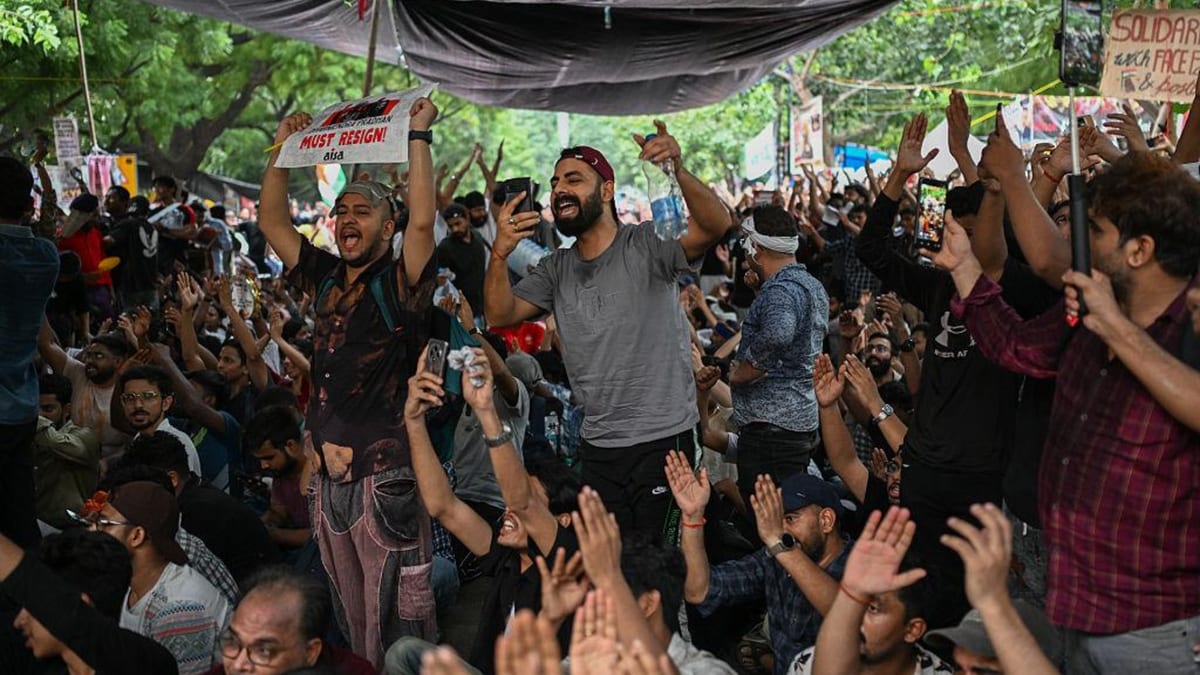
India’s story has been wonderfully and absurdly original. In May 2026, a remark by the Chief Justice comparing some jobless youth to “cockroaches” sparked a backlash, which then led to the creation of the Cockroach Janta Party, a parody account. A joke account which then organised protests against NEET leak for students, forced a ministerial resignation and is also in the process of making the Chief Election Commissioner resign. Demonstrators want Gyanesh Kumar out over voter-roll revisions where critics say millions of names were removed. The figure cited is 130 million names.
The state response was heavy on the barricades. Police blocked the usual protest site at Jantar Mantar, citing a late application. Journalists covering the 10 October protests were reportedly bused away with the detainees. UN experts urged India to stop using excessive force. Still, no change was reflected in the government’s behaviour. Institutions like the Supreme Court pushed back too, stating that on 11 October peaceful protesters must not be illegally detained. The check in “checks and balances” was still checking.
Nepal: The Revolution That Was Livestreamed
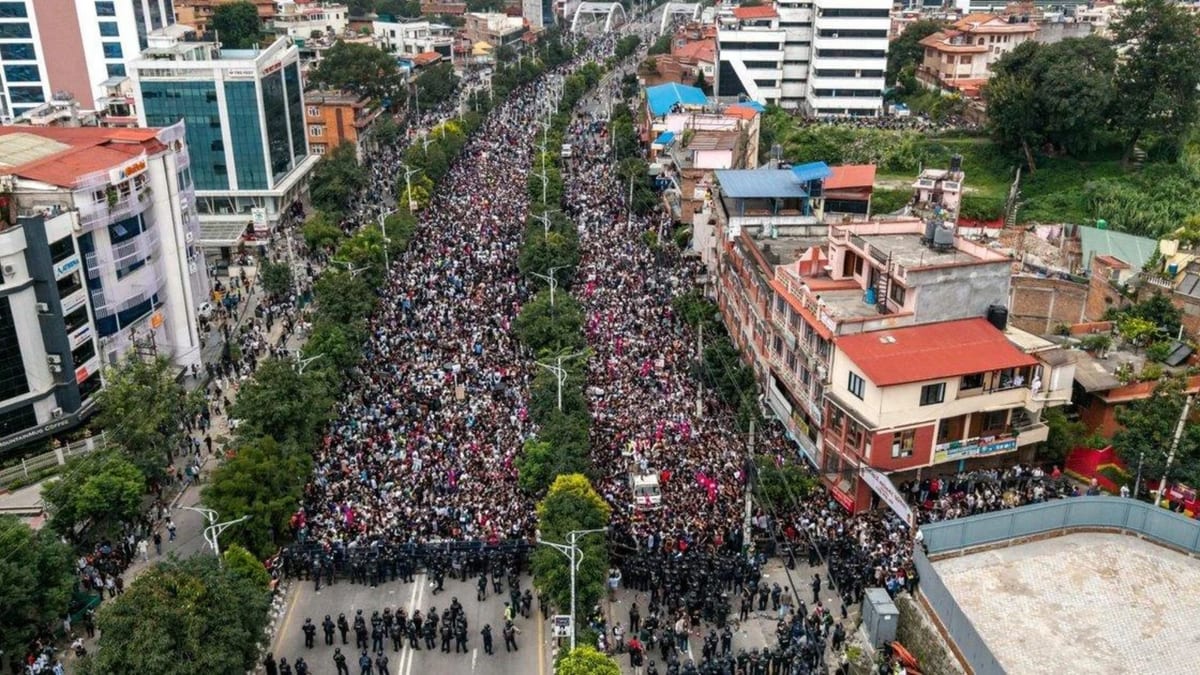
If you want an answer to the question if protests can leave a legacy behind, just look at Kathmandu. In September 2025, the government blocked 26 social media platforms, and a generation raised on smartphones, already fed up with corruption, nepotism and inflation, came to the streets. Police fired on crowds during the protests, which resulted in killing go 19 people because of which then PM Oli resigned within two days of this happening. Then came the astounding part: with no leader and no party machinery, Gen Z organisers then used Discord, a platform majority used by gamers, to debate and vote on who should run an interim government. Their pick was former chief justice Sushila Karki, who accepted the role.
It was exciting and fragile at once. Many of today’s protesters see centralised leaders and rigid organisations as inherently undemocratic, which is a wonderful way of mobilising a crowd but awkward for governing a country. It’s easy to topple a government in two days, but much harder to staff the next one, which is why Nepal is the reminder that the morning after the protest is where the real politics begins.
Morocco: Please Fix the Hospital
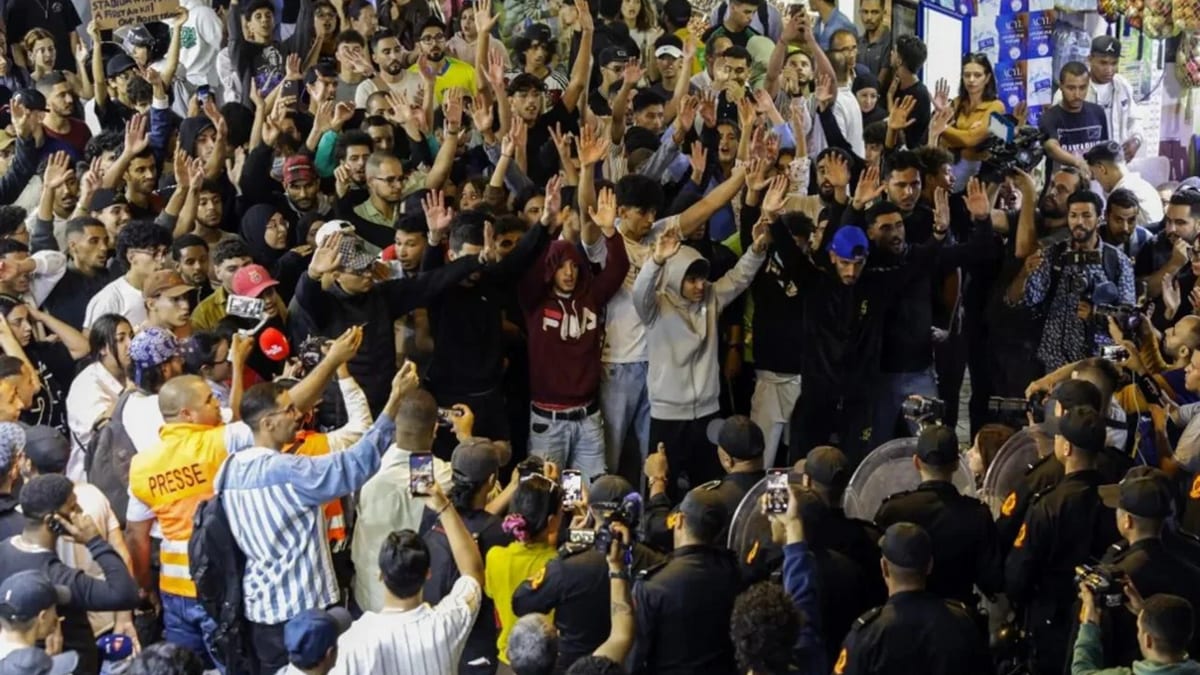
Not every uprising wants a new system. Morocco’s Gen Z protesters just wanted the bare minimum: hospitals that work and schools that don’t crumble. The spark was bleak, but it was still there. Eight women died during childbirth at a public hospital, and the anger soon found a home on a Discord server called GenZ 212 (212 being Morocco’s phone code), launched in mid-September 2025 with fewer than 1,000 members. Within days it had thousands more, and the first big protests hit major parts of Morocco on 27 September, 2025. The timing stung too. Morocco was about to host the Africa Cup of Nations and co-host the 2030 World Cup, and plenty of people felt the stadiums were getting the money that the clinics weren’t. With youth unemployment officially at 37.7%, the mood was less “burn it down” and more “have you seen our waiting rooms?”
That is the wave’s quiet reality. The state’s answer was firmer than usual: by early October 2025, the interior ministry reported two deaths, over 300 injuries and 400 arrests, and Human Rights Watch later called for an investigation into the use of force. The movement paused on 11 October, a day after the King’s parliament speech, and fizzled out around 18 October, with demands largely unmet. The takeaway here is that people aren’t always asking for a new constitution. These protests were driven chiefly by inequality, corruption and nepotism, grievances tied to good governance but not centred on democracy itself. Sometimes they just want the old social contract honoured, ideally with working clinics.
Madagascar: The Plot Twist Nobody Ordered
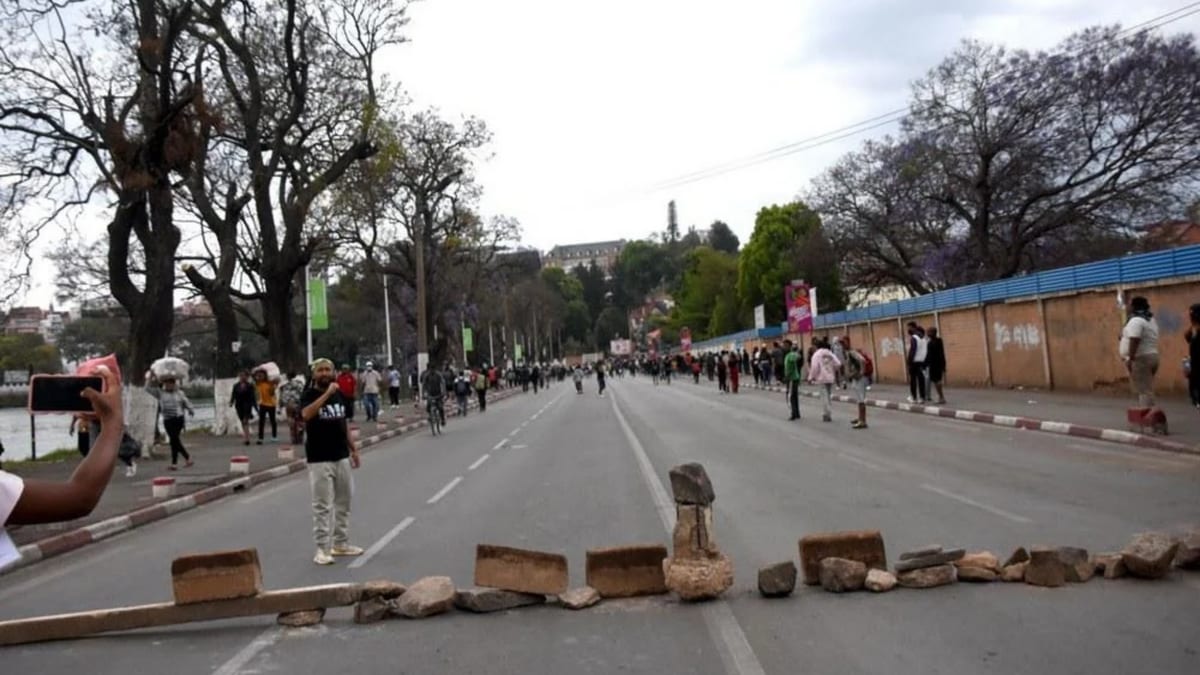
Protests in Madagascar started with the least yet basic revolutionary grievance imaginable: power cuts and water shortages that left people in the capital living by candlelight. When two politicians were arrested after organising a peaceful demonstration, the youth-led Gen Z movement took to the streets in September 2025, and the protests grew into a wider fight over the cost of living, corruption and nepotism. The president sacked his entire government within days, which sounds like a concession until you notice the protesters simply carried on. The UN reported at least 22 deaths in the early crackdown. Then came the plot twist: on 11 October, an elite army unit called CAPSAT refused orders to suppress the protests and joined the crowds, with its commander calling for the president to go.
By October 14, 2025, President Andry Rajoelina had fled the country and been removed from office, and the military was running the show. There’s a neat irony here, because CAPSAT is the same unit that helped put Rajoelina in power during the 2009 uprising. That’s the cautionary tale for every crowd that has ever cheered a resignation: removing someone from power is not the same as improving how power works. The protesters wanted water, electricity and fairness, and they got a regime change, which is a very different thing. Success on the street can hand the keys to people with even fewer reasons to listen, and the new military government could consolidate its grip, though it may yet face renewed protests.
So, Is Anyone Listening?
Across these five stories, a pattern emerges. Analysts of the wave note that state violence tends to be fiercest where protesters demand a fundamental redistribution of power. Meanwhile, the grievances running through this wave are about inequality, failing public services and bleak prospects. Governments that treat protest as a policing problem get more protest. Governments that treat it as information tend to get a longer shelf life. The healthiest democracies aren’t the ones with the quietest streets. They’re the ones where a court, a press and a ministry can all hear the noise, and where “we’ll look into it” occasionally means actually looking into it.
Latest News
- ◆PM-KISAN’s 24th Instalment Sends ₹18,690 Crore to 9.34 Crore Farmers
- ◆Heavy Rain Brings Delhi Its Cleanest October Air Day in Four Years
- ◆Reliance Industries Posts Record Quarterly Profit of ₹29,550 Crore on Refining Strength
- ◆Jio Platforms Reports 13.7% Profit Growth in First Results After Listing
- ◆Brent Crude Settles at Six-Month High of $117.64 After Hormuz Tanker Attack