
"AI Alone Can Fight AI Fraud," Says RBI Chief
RBI Governor Sanjay Malhotra says rules-based fraud systems are outpaced by adaptive fraudsters, calling AI adoption a decade-defining shift for banks
Synopsis
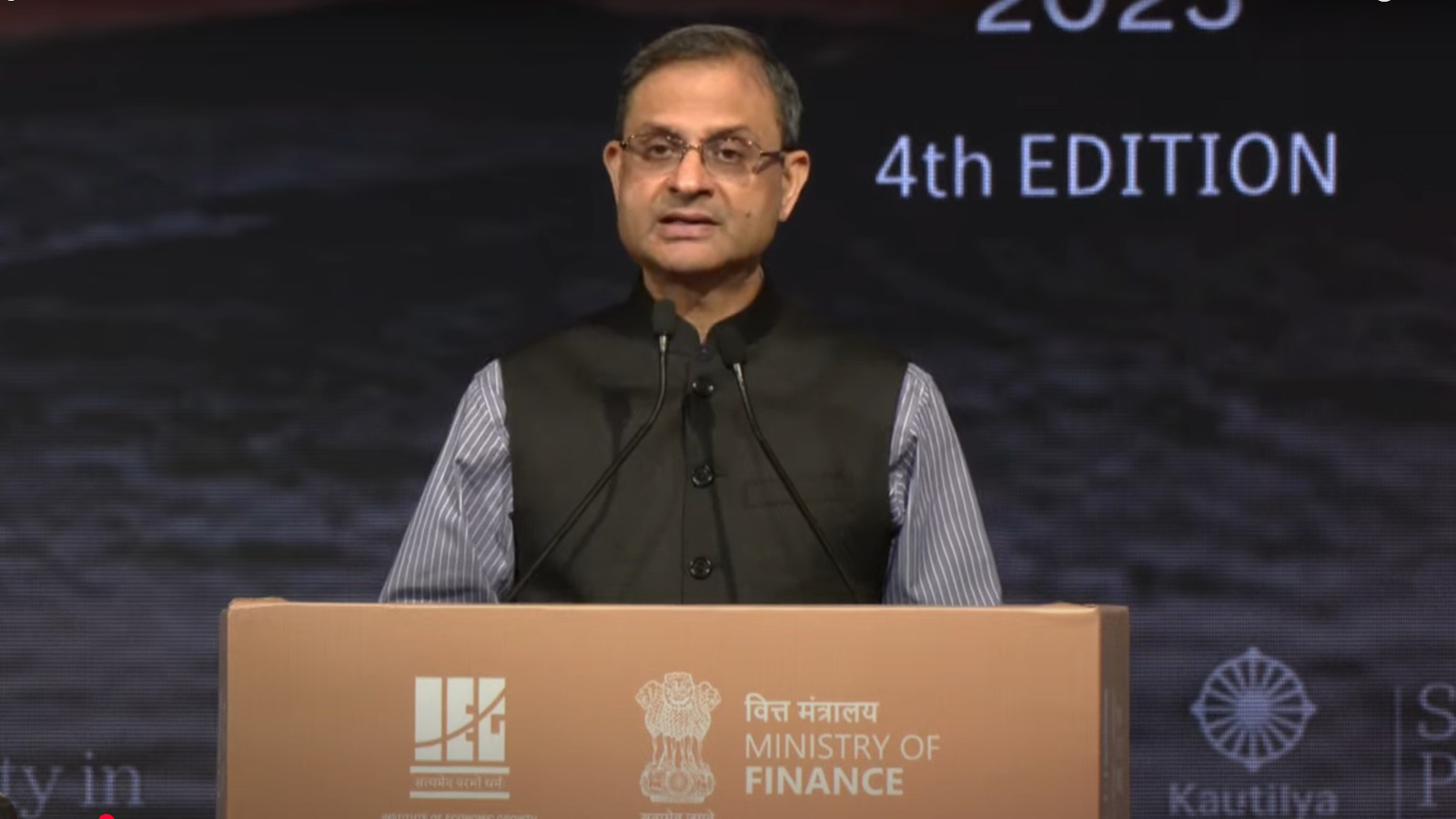
Speech by RBI Governor, Sanjay Malhotra on Artificial Intelligence and its relevance in combating AI-enabled frauds. At FIBAC 2026, he stated that AI is shaping up to be a game-changer for the current decade, as liberalisation was for the 1990s, but warned that if it is misused, it poses risks as well.
Artificial Intelligence and Only Artificial Intelligence
RBI Governor Sanjay Malhotra Tuesday talked about how traditional rules-based systems are unable to catch up with the ever-evolving fraudsters and how AI will play a pivotal role to combat AI-driven fraud at FIBAC 2026 in Mumbai on Tuesday. Malhotra said it is AI and AI alone that can help curb AI frauds.
He explained that the need for AI-based fraud detection: "Fraud today happens at the speed of an API call. No matter how well designed a rules-based fraud engine is, it is always one step behind the fraudster, who changes more often.
It's only AI and machine learning models that are continuously learning from these transaction patterns that can detect anomalies in real time, not after the loss occurs.
AI is the force that has defined the decade
AI "is poised to be as crucial to this decade as liberalisation was to the 1990s and digitalisation was to the 2010s," Malhotra added. “Whether you're an AI journeyperson or you're an AI victim of having been shaped by AI,” he said, “is the real question.
It's a transformation of how financial institutions evaluate risk, how they serve clients and how they price capital, and how they organise institutions. Many of the banks are doing it now, some of them are considering it. The question is whether you're an AI journeyperson or you're an AI victim of being shaped by it.”
The Numbers Behind the Warning
The urgency is based on RBI's own fraud figures. According to the RBI data, there is a crucial difference between the number of frauds reported and the amount of money lost in the year between card and internet transactions. The number of frauds reported for card and internet transactions is 13,516 and the amount of money lost is ₹520 crore respectively in the year.
By contrast, frauds related to advances came in at ₹33,148 crore, or about 92% of all the money involved, and were a big contributor to the number of cases reported, but not the largest financial loss.
Not Just Theory; Systems Already in Motion
The RBI has already taken a step beyond the process of discussing technology in principle. A government release stated that as of March 24, 2026, 26 banks had the AI system in place to detect mule accounts used in cyber fraud, with plans to scale up further.
A Note of Caution
An understanding of risk tempered Malhotra's enthusiasm. He said that AI comes with its own risks and cautioned against careless use, which can lead to exclusion and instability, as the RBI itself is tackling the issue in its regulatory efforts.
It's FREE-AI committee presented the following framework for the use of artificial intelligence in the financial sector responsibly and ethically in August 2025.
Modernisation Beyond Fraud
The RBI itself has rationalised the working capital norms, reviewed the bulk deposit pricing for foreign exchange and automated over 203 types of applications to provide 99.9% of services within stipulated time, added Malhotra.
The Bigger Picture
The question Malhotra is asking is whether the global regulatory debate on using AI tools to protect financial institutions from financial fraud is more about India's central bank defending itself against the offence or both sides going back and forth.
The banking system in India, which handles billions of digital transactions each month, will have an impact on consumer confidence and financial stability in the years to come.
Latest News
- ◆Delhi Approves DURGA Scheme for 1,300 Pink E-Autos for Women, Transgender Drivers
- ◆Black Sea Disruptions Push Bangladesh Back to Indian Wheat After Four-Year Gap
- ◆Microsoft's Hyderabad Cloud Region Opens as Telangana Targets 5 GW of Datacentres
- ◆Gold Slips in India as Firm Dollar and Fed Rate-Hike Bets Weigh
- ◆Rupee Slips to One-Week Low as Oil Rally Revives Global Rate-Hike Fears