Chargesheet Alleges IAF Wing Commander Passed Operational Details to Suspected Pakistani Operative
Delhi Police allege a honey-trap led to leaks; the Official Secrets Act case is sub judice and the allegations remain unproven
Synopsis
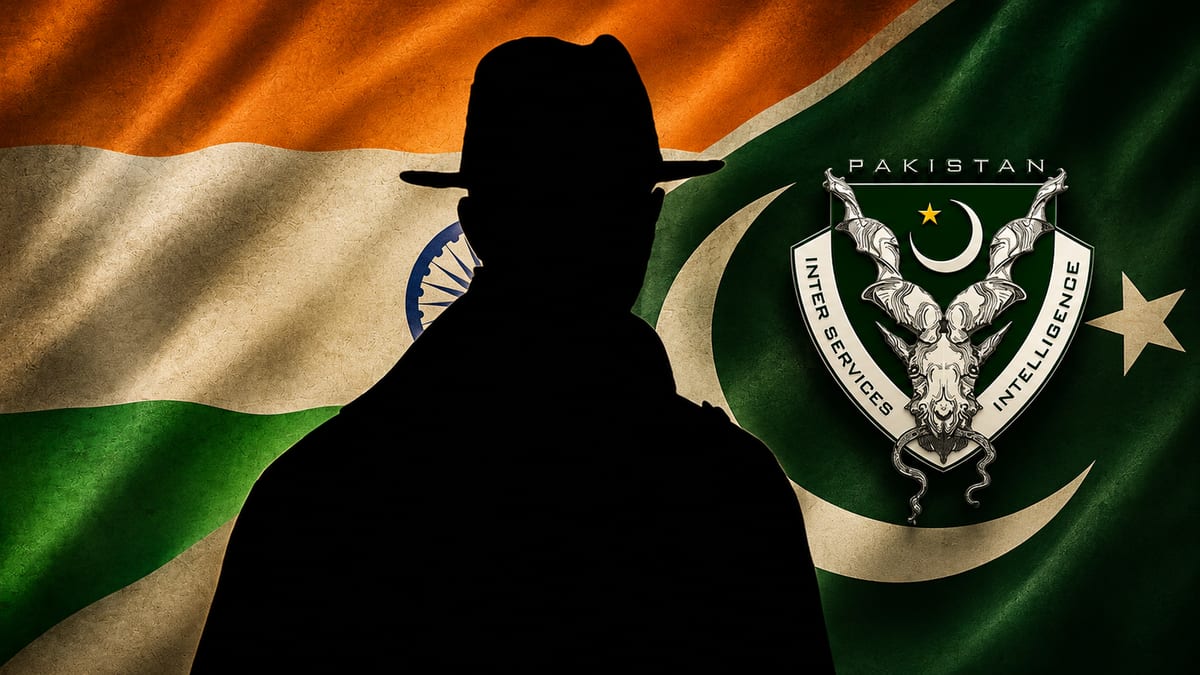
A police chargesheet against a serving Indian Air Force (IAF) Wing Commander in the National Capital has alleged that the officer shared operational information with a suspected Pakistani intelligence officer whom he met on social media. The content allegedly includes details regarding a secret drone unit, deployment of fighter in Leh, a war-planning document. The officer, whose arrest was made on May 30, is charged under the Official Secrets Act. Allegations are yet to be substantiated, the case is under consideration and the IAF says it has adopted a zero tolerance policy.
The claims sound like a thriller, except that they are contained in a court file. Another serving Indian Air Force (IAF) Wing Commander, a 44-year-old officer, shared operational information with a suspected Pakistani intelligence operative, a police chargesheet has said. The officer is subject to the Official Secrets Act. None of the complaints have been proven in Court.
The chargesheet's allegations
A charge sheet was lodged at the competent court on 30th July. According to the report, the officer chatted with the alleged operative on WhatsApp from January 12 to April 1, this year.
He allegedly passed on “strength, structure, trials, endurance and targeting capabilities” of a secret drone unit. The chargesheet also includes deployment of fighter aircraft in Leh and information about an exercise conducted at Mahajan Field Firing Range in Suratgarh. He was also allegedly put up with a page of a classified war plan document after he received an explicit photo from the contact.
The operative is also said to have asked him to install malware on the devices of five subordinates. The chargesheet mentions that he was receiving malware applications, allowing him to access information stored on his device and to his communications with his chain of command.
What is the origin of the case?
It was on the basis of specific information provided by the Intelligence wing of the IAF to the Delhi Police that the arrest was made. The police statement talks about “allegations of being honey-trapped by a Pakistani Intelligence Operative.” It is claimed that handlers would have approached him under a fake female identity on social media.
The legal position
The officer was charged under the Official Secrets Act, 1923, punishable for the unauthorised communication of information relating to the defence of the realm. At the time of his arrest he was reported as being held in judicial custody. The Act also provides for the possibility of parts of the trial being heard in camera by the court.
As the matter is sub judice, the chargesheet is the prosecution's case and that's it. The accused has the right to the presumption of innocence. Whether offences are committed in relation to the communications described will be determined whether by the court or by the Act itself.
The significance of security establishments
Investigators are trying to determine if the information shared could have hurt national security or helped with bad activities. The IAF has been maintaining a strict policy on violations related to classified military information with ‘zero tolerance' approach. They were not able to ascertain whether any operation plans were changed because of this.
The case also demonstrates that a social-media strategy can serve as a conduit to a military unit. If the exposure extended beyond one officer's access, the requests for malware on subordinates' phones are alleged.
What happens next
The court will draw up charges, and the prosecution will have to prove each one to the court. The defence will be given a chance to challenge the digital records that the chargesheet is based on, including the WhatsApp messages.
The case is for now just a set of allegations on paper. The impression these will create will be at the court's discretion and not the chargesheet.
Latest News
- ◆FAA Ground Stop Explained: How a maybe Faulty Router Grounded Every Flight in America
- ◆Kylie Jenner Sued for the 4th Time in 7 Months: Do We Smell Legal Trouble?
- ◆Nvidia Controversy Explained: What Jensen Huang’s Exit Means for India’s AI Ambitions
- ◆Huang Resigns as Nvidia CEO; Shares End 4.3% Lower After Early Slump
- ◆Abu Dhabi Talks Yield Prisoner Swap; US Envoys Brief Putin, Then Zelensky
Read More
Why Delhi’s Air Pollution Persists Beyond Firecrackers: What Source Data Shows

Cabinet Extends Stand-Up India to March 2031 With ₹4,111 Crore Corpus