
China's Boeing Order: Markets Unmoved, Beijing Silent
Trump announces 200 Boeing jets deal with China, but markets expected far more, and Beijing has yet to officially confirm the agreement
Synopsis
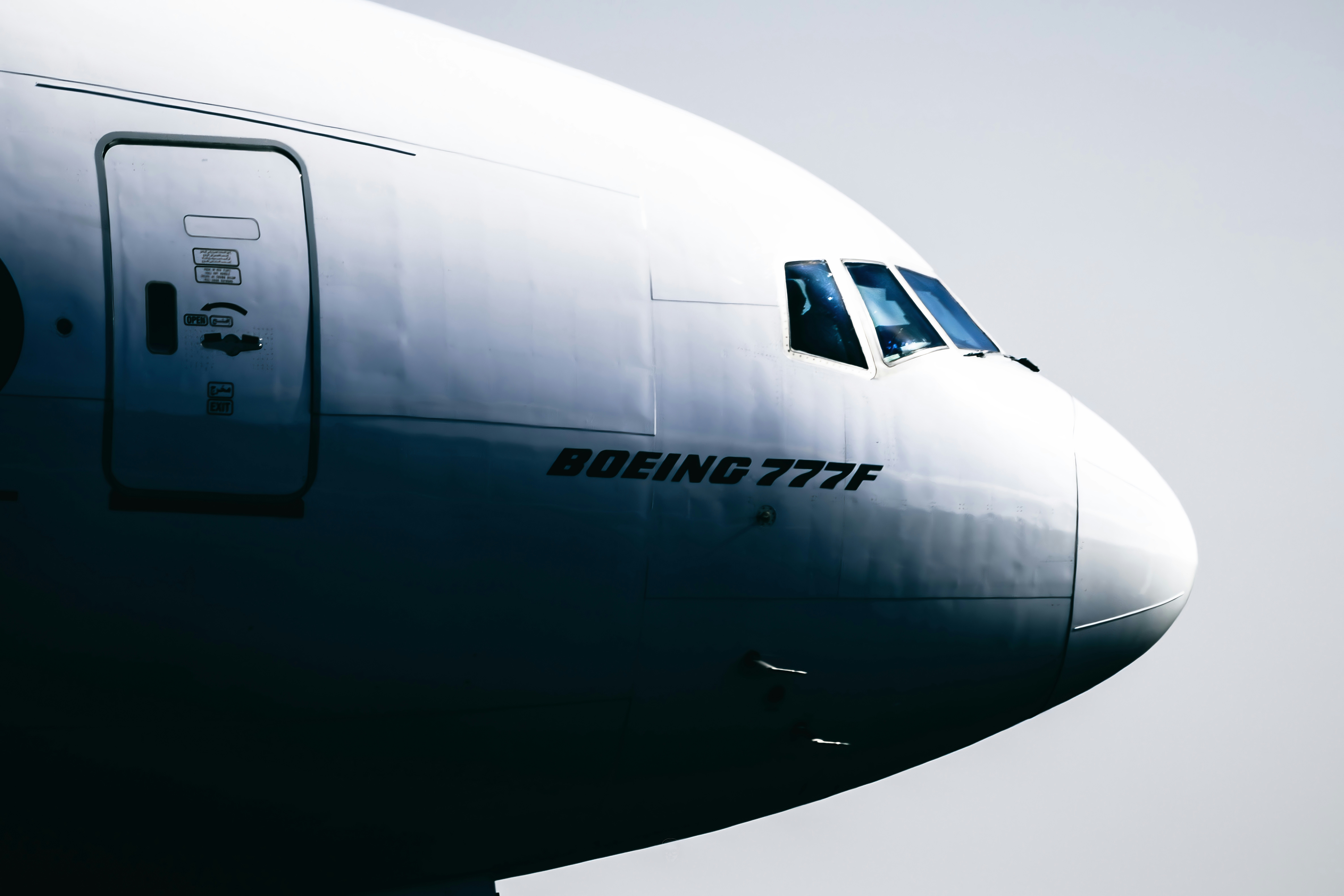
In the first major order of American-made jets in nearly 10 years, China agreed to buy 200 Boeing commercial aircraft, US President Donald Trump said. The announcement at and after the Beijing Summit was less than the around 500 orders that markets were expecting, causing a lackluster financial reaction. The commercial as well as diplomatic aspects of the deal are murky, and its official ratification by China has not yet been confirmed.
This list includes some deals that have been announced but not confirmed
It was an rare moment in US-China diplomacy. On the sidelines of his Beijing summit, President Donald Trump announced China had agreed to buy 200 Boeing commercial aircraft, a purchase that, if it comes to fruition, would mark the Chinese capital's first major order of American commercial jets in nearly a decade.
The markets' reaction was more of a "letdown" than a "celebration". Boeing's stock price was up slightly on the report, rather than the kind of surge that would have occurred had the report been larger, or more solid.
What the Markets Had Expected
Before Beijing, financial analysts and aerospace industry watchers estimated it could be a comprehensive gesture of trade, or at least a positive sign toward commercial reengagement, from China that would involve an aircraft order of anywhere from 500 to a thousand aircraft. An order of this magnitude would have been a significant sign of Beijing's desire to resume trade and diplomatic relations with the United States after several years of strained relations.
The 200-jet mark was not far off, but it did drop by a significant margin. Another issue that dampened market enthusiasm was that China at this writing has not officially confirmed the deal. No statement was made by Beijing's Ministry of Commerce. The most obvious buyers – China's state-owned airlines, Air China, China Eastern and China Southern – did not come out with any official statements.
Ten Years of Drifting Together: The Boeing-China Relationship.Ten Years of Drifting Together: The Boeing-China Relationship.
The importance, and the restraints, of the reported arrangement must be understood by following Boeing's journey with China over the course of the last ten years.
Until the early 2010s, China was Boeing's biggest customer by the number of orders for many years. China's growing middle class and its huge domestic travel demand is expected to propel the rapid expansion of its aviation industry, which is believed to make it the world's largest commercial aviation market in the early 2030s.
The partnership was strained after two fatal Boeing 737 MAX crashes in 2018 and 2019 brought the worldwide grounding of the newest model in the company's popular 737 line. China was the first major aviation regulator to ground the MAX and the last to bring it back to the skies, in December 2021. Meanwhile, Beijing started to speed up certification and procurement of the Airbus A320 family and also of China's own domestically developed COMAC C919 narrowbody, further marking a conscious measure to cut down on reliance on American aerospace.
In 2024, Boeing's deliveries to Chinese carriers had dropped significantly and it had taken a substantial write-down on undelivered jets originally intended for Chinese carriers. Boeing's 2024 Commercial Market Outlook forecasts China will need some 8,830 new commercial aircraft over the next two decades, making it the second largest national market in the world after the U.S. Boeing's return to that market is vital to the company's business.
What 200 Jets Mean for the Business Side of Things
Buying 200 aircraft, if it happens and is completed, would be significant but not game-changers for Boeing. The commercial aircraft business has been hampered by quality control issues at Boeing's manufacturing plants that led to investigations by the US Federal Aviation Administration (FAA) and production rate caps in early 2024. The company has also been working on a large order backlog.
A 200-strong order from China is likely to include both 737 MAX and 787 Dreamliner aircraft, in different years, and may include a mix of those. The value of the order, at list prices, could be in the region of $30bn to $40bn, with airlines generally getting significant discounts from catalogue prices.
The International Air Transport Association (IATA) pointed out in its Asia-Pacific Airline Outlook 2025 that Chinese aviation's recovery had been slower than the pre-pandemic outlook, partly due to domestic carriers' over-capacity for the recovery. Therefore, the timing of the Chinese airline fleet expansion still has a relevant factor to consider.
Aircraft orders orders: The Diplomatic Dimension
The Boeing announcement is more than just the math; it's important in the diplomatic arena, too. In China, the purchase of this magnitude is not just business, it's also a form of economic statecraft — a way of letting the other know how hot the bilateral relationship is.
The announcement, if it comes to fruition in a signed agreement, would be the most concrete commercial result of the Beijing summit. Rhetorically, both sides seem to have agreed to somewhat eased tensions in trade, at least for the time being, including a 90-day limitation on some tariff escalations announced ahead of the meeting.
Whether 200 jets is just the first step in a series of commercial reengagement steps or the final number the Chinese are willing to go is likely to be driven by a number of factors outside the aviation industry — such as technology limitations, how things go with Taiwan and the broader dynamic of US-China relations.
Boeing's difficulty is real as it has invested heavily in its near-term commercial comeback in China, where it has yet to be clear when it will recover. The 200-jet figure is still a number that generates ideas as much as it solves them, for markets which had been looking for more.