
Congo Ebola Deaths Top 2,000, Fastest On Record
The Democratic Republic of Congo's 17th Ebola outbreak is spreading faster than any previous epidemic, with no approved vaccine for this viral strain
Synopsis
The current Ebola outbreak in the Democratic Republic of Congo (DRC) is the largest – and fastest – ever recorded, having resulted in over 2,000 deaths over the past three months. Containment has been hindered by conflict, delayed detection and weakened health services, while the World Health Organization has declared the epidemic to be a global health emergency.
The Numbers are shocking
On Tuesday, the Democratic Republic of Congo (DRC) confirmed 2,011 Ebola deaths, the largest so far in the world's largest outbreak in history, which health officials have called the fastest on record. In the 2014-16 Ebola outbreak, which is the worst in history, the outbreak had recorded 4,381 confirmed cases and 2,011 deaths by almost three times as of yesterday, data from the government showed.
Even by the standards of past epidemics, this rate of take-off is remarkable. The outbreak has reached its 1,000 deaths mark in about nine weeks, but it has doubled to 2,000 in just a few weeks. Official government figures show that at least 1,000 of the total deaths have happened in the past three weeks alone.
Why this strain is more difficult to combat
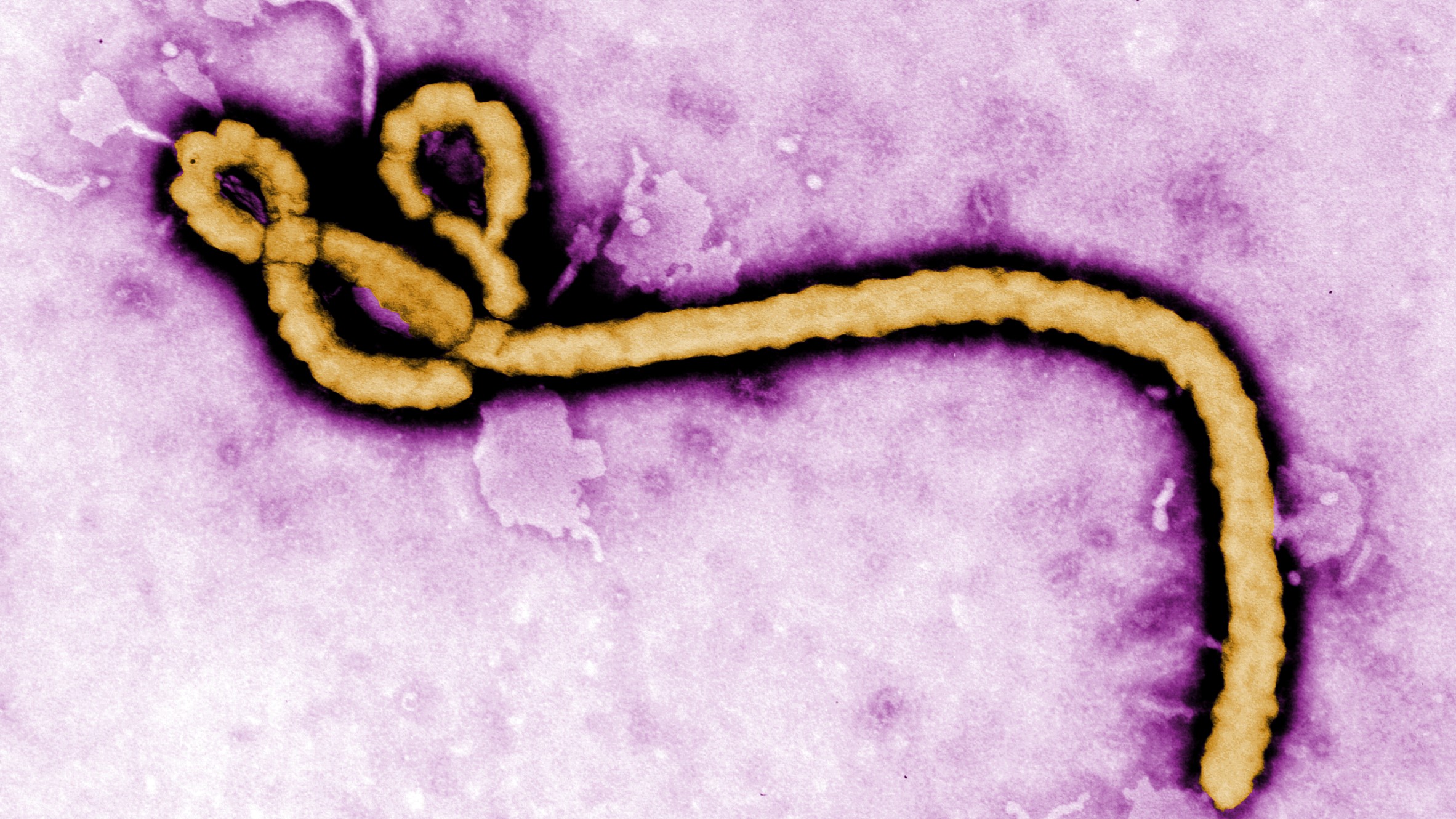
Unlike the more well-known Zaire strain, which led to vaccines and treatments, there are none available to combat the current outbreak of Ebola, which is caused by the Bundibugyo species.
The epidemic broke out in Ituri Province on 14th May 2026, although initial cases were thought to have occurred as early as January or February. It was by early August 2026 the fastest growing Ebola outbreak on record, the second largest ever recorded.
Why Containment Is Failing
Africa CDC Director-General Jean Kaseya gave a grim prognosis when he visited the epicentre town of Bunia: "Contact tracing is not working... we don't like the trajectory of this outbreak, and it's already the second largest outbreak (ever) in the world.
He added that some 60–70% of the new cases were being reported as community transmission, as opposed to contact tracing of confirmed cases, which has been the key to effective containment.
The rebel conflict in the country, coupled with poor road conditions and work stoppages associated with payment problems by health workers, are hindering health authorities to reach out to remote localities.
The compounded challenge, as described by a doctor on the ground, is the lack of capacity in health facilities to treat patients and the lack of awareness and alerts for patients in the community, noting: “We must not take this disease lightly, it continues to take lives, and no one is safe".
Unexpected bungles exacerbated the crisis
In one of the most remote and vulnerable areas of Congo, some were mistakenly diagnosed with malaria and typhoid in the beginning of the outbreak, when they were tested for the more common Ebola strain when actually they were infected with the Bundibugyo variant of the disease. This delay in diagnosis probably gave the virus an important head-start before the full extent of the emergency was realised.
A Personal Toll in the Big Numbers
Indirect health costs of the outbreak also include missing routine healthcare services: Esther Lutula, a 26-year-old pregnant mother of four in Bunia, stopped going to prenatal checkups soon after the outbreak started, due to fear of infection.
The Global Response
The WHO has also declared the outbreak a public health emergency of international concern, as well as the neighbouring country of Uganda, where cases have also surfaced.
In Ituri province, two clinical trials involving post-exposure prophylaxis drugs are ongoing and two vaccine clinical trials are being conducted in the UK and Canada are underway. Cases are still limited to Ituri province (close to 90%) but have been reported in five other provinces, including the large town of Kisangani.
What is the significance of this event beyond India?
In addition to the immediate humanitarian impact, the outbreak is a live experiment on how effective international health infrastructure, which has been largely created after the lessons learnt from the disastrous West African epidemic of 2014-16, can cope with a novel strain of the disease with no approved countermeasures, and at a time when it is being spread within a conflict environment that structurally compromises the normal containment of such outbreaks.
What Comes Next
The outcome of the outbreak is uncertain, as no vaccine has yet been approved specifically for the Bundibugyo strain, and security conditions in eastern Congo have not yet become more stable enough to enable health workers to reach the most affected communities safely and sustainably.