
Trust in Vaccines Frays After the Pandemic
Routine childhood immunisation coverage dipped during COVID-19, and researchers say hesitancy driven by misinformation persists years after the emergency ended
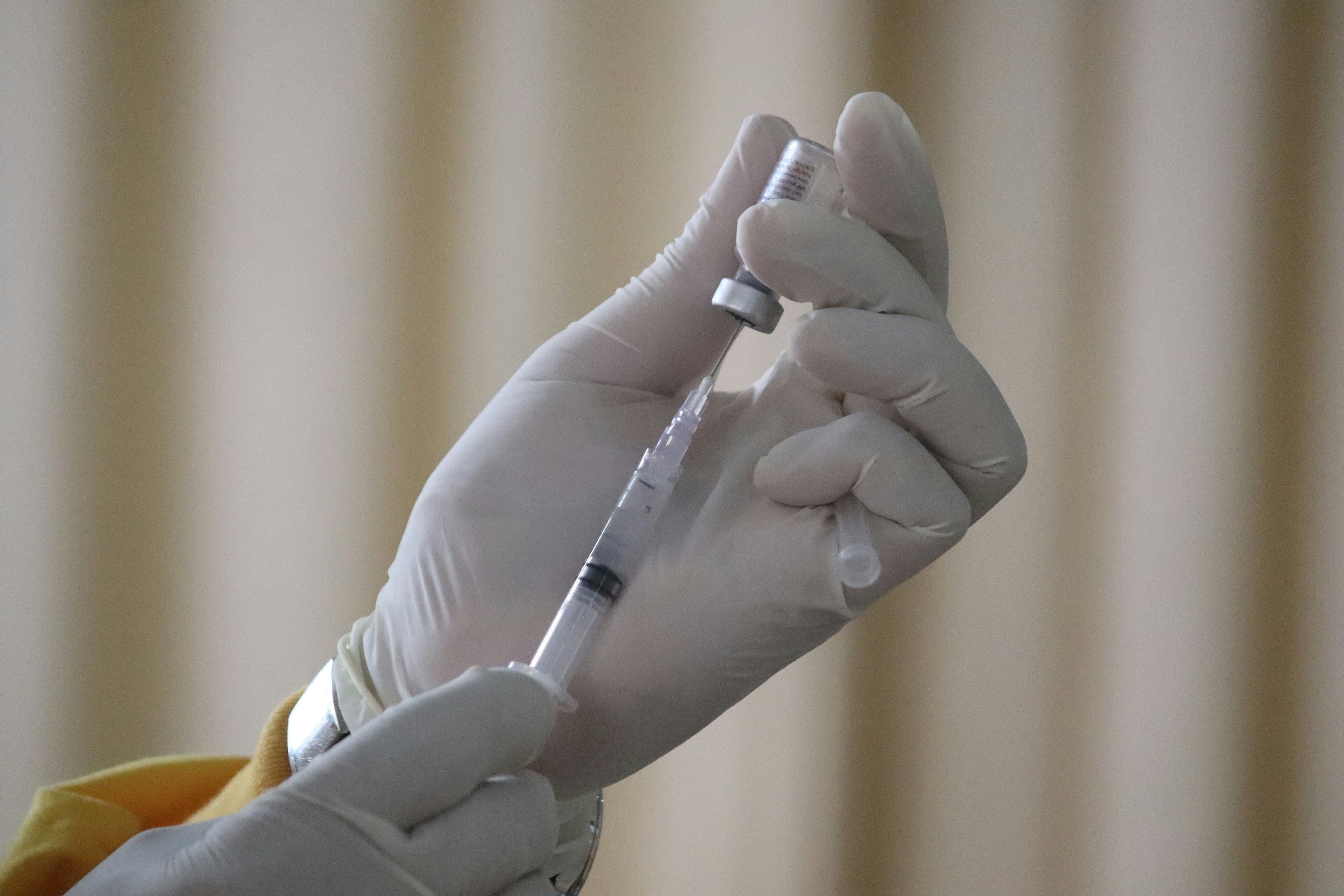
In just over one year, India's Covid-19 vaccination program managed to immunise over 940 million people with just over 1.7 billion shots, one of the fastest mass vaccination programmes in history. This success is not reflected in a consistent level of confidence in vaccines in general.
A Pandemic Era Disruption with Long-term Implications
Comparing the timeliness of routine childhood immunisations before and after the first case of COVID-19 in India, the pandemic was shown to measurably impact routine childhood vaccination coverage and timeliness, including the BCG, hepatitis B birth dose, and complete DPT and polio vaccine schedules for the children of the same siblings.
A mother fixed-effects regression was used to remove the effects of other trends from the population to ensure that the impact of the pandemic was not anecdotal but significant within the affected population.
Hesitancy Outlives the Emergency
Worse, there is a disturbing trend of reduced routine immunisation during the post-pandemic era, as one 2023 study in Frontiers in Public Health noted, with part of that reduction being connected to "high visibility of media coverage on safety concerns of vaccines" during the rollout of the COVID-19 vaccines, which then spilled over into wider immunisation hesitancy.
Before the second wave of the pandemic, a content analysis of the Indian media coverage of the two vaccines – Covaxin and Covishield – revealed that the news was often presented with "attempts at politicisation" and offered "important lessons in future pandemic preparedness".
The reasons behind the hesitation to engage in any action
A multi-state cross sectional study on vaccine hesitancy among vulnerable populations, identified vaccine hesitancy within vulnerable populations that had compounding barriers: limited health literacy, and distrust of frontline health workers, along with exposure to unverified information spread through informal channels.
Qualitative work among adults who have not been vaccinated in semi-urban South India indicated that despite the high level of vaccination coverage in this country, there may still be pockets of hesitation among adults, as India had achieved 100 per cent first-dose and around 80 per cent full-dose coverage in the adult population by early 2022.
The journey back to the confidence of life on the road
However, public health experts say rebuilding trust will have to overcome doubts about immunisation, specifically, and not just vaccine concerns raised during the pandemic, as the childhood vaccines — for measles, polio and diphtheria and others — will have decades of proven safety data to draw on, while the COVID-19 vaccines were developed and deployed in a much faster time frame.
The National Expert Group on Vaccine Administration (NEGA), formed to develop a COVID-19 vaccination strategy, is still guiding other immunisation planning but researchers now say a sustained, targeted community effort to get back into pre-pandemic level coverage will probably be needed as well as awareness campaigns.
Latest News
- ◆Case Filed Against CJP Supporters over Unauthorised Shivaji Park Gathering
- ◆Israeli Strike on Gaza City Apartment Block Kills Five, Officials Say
- ◆India's Forex Reserves Fall $18.3 Billion in Record Weekly Drop
- ◆Kharge Urges Modi to Release ₹3,705 Crore Drought Aid for Karnataka
- ◆Voter-Roll Protests: Delhi Police Detain Hundreds, Register Three FIRs