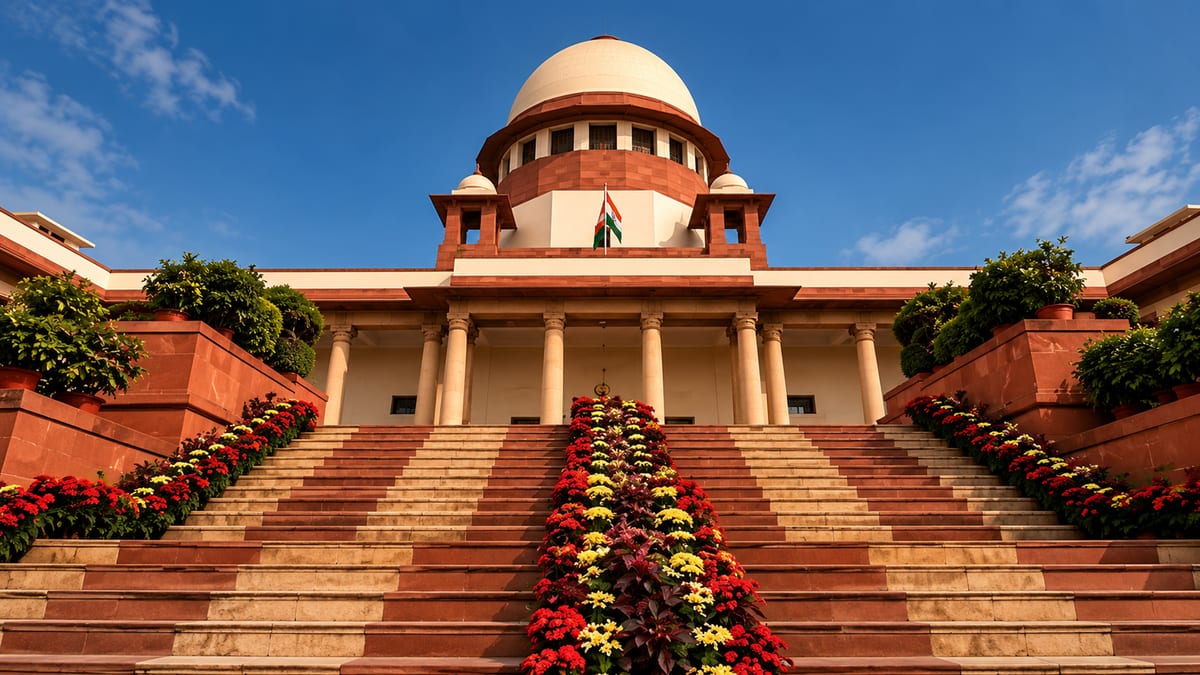
Delhi High Court Orders Takedown of AI Videos Depicting Chief Minister Rekha Gupta
Justice Manoj Jain held that political satire cannot come at the cost of dignity, in a suit against AAP over synthetic content
Synopsis
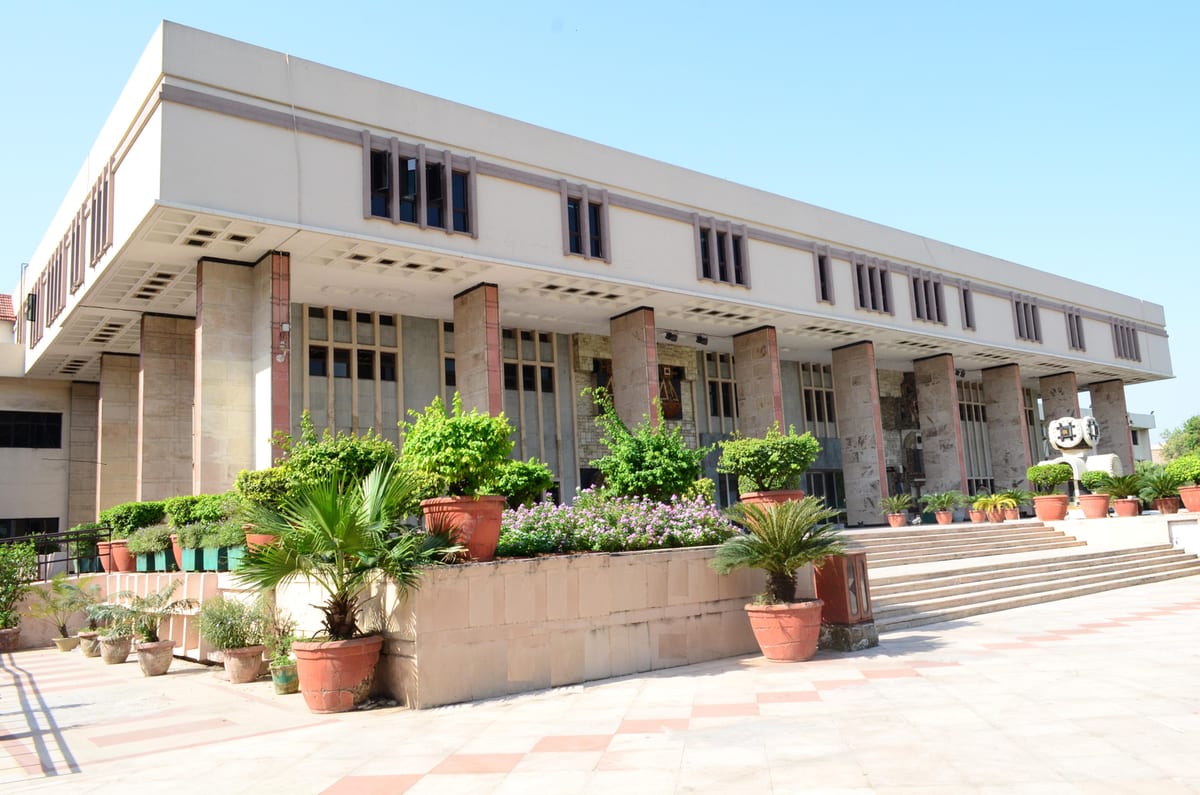
Delhi High Court has issued directions to expel six videos and posts claiming that Chief Minister Rekha Gupta is a liquor vendor, created using Artificial Intelligence. While hearing the Aam Aadmi Party's petition against NDA and other political parties, Justice Manoj Jain said that the allegations made in its petition were defamatory and that a party can criticise a government policy but cannot attack the dignity of the person. It is one of the first orders to directly ban political deepfakes.
Justice Manoj Jain issued the order on the case of the Chief Minister Rekha Gupta and against Aam Aadmi Party and others on Friday, November 6. She requested an injunction to stop the dissemination and publication of any AI-generated and deepfake content. Six videos, images and posts were ordered to be removed from the website. They've been posted from AAP's official and verified accounts and were of her as a liquor vendor.
What the judge saw
The bench pointed out that the artificial images seemed to be a “near-perfect imitation.” In another clip, Gupta and the Deputy Chief Minister could be seen pouring liquor and ice cubes. The material also mentioned a scheme, known as "Har Har Rekha, Ghar Ghar Theka".
The court acknowledged that being in public office exposes one to more questions. A political party is free to criticise government policy, decisions or administrative action. It believed that this did not apply to any content which attacked the dignity of a woman occupying constitutional office. There are reports that the content is defamatory and offensive.
A line of cases which is growing
The Delhi High Court has recently provided some relief in a few cases concerning synthetic media which included cases related to personality rights and a defamatory video against Taj Hotels. It was mainly private people and commercial interests that were at stake in those cases. This order arrives from the political sphere, where the issue of satire is more contentiously discussed.
The unresolved questions
Order is a “fine balance” between reputation and dignity on one hand and AI generated synthetic content on another, said Advocate Sameer Rohatgi. The limits are not yet established. Courts will have to determine the difference between a mock-up image appearing realistic, and a satire that is constitutionally protected. Platform responsibility is also an issue as content goes to the intermediaries for removal and the main suit plays on.
What to watch
The suit is pending, and the extent to which the court will treat satire in the case will determine the scope of any permanent injunction. The Order may also be referred to in conflicts between other office-holders and parties.
Latest News
- ◆FAA Ground Stop Explained: How a maybe Faulty Router Grounded Every Flight in America
- ◆Kylie Jenner Sued for the 4th Time in 7 Months: Do We Smell Legal Trouble?
- ◆Nvidia Controversy Explained: What Jensen Huang’s Exit Means for India’s AI Ambitions
- ◆Huang Resigns as Nvidia CEO; Shares End 4.3% Lower After Early Slump
- ◆Abu Dhabi Talks Yield Prisoner Swap; US Envoys Brief Putin, Then Zelensky
Read More
Supreme Court Refuses to Limit OBC Creamy-Layer Ruling to Future Cases
Forged High Court Orders Led India to Block 129 Betting Websites