
Delhi's Smog Cycle Exposes Limits of GRAP
Despite a stage-wise emergency framework and record clean-energy pledges, Delhi's air swings from 'severe' to 'poor' within months, raising questions about whether reactive policy can outpace structural pollution sources
Synopsis
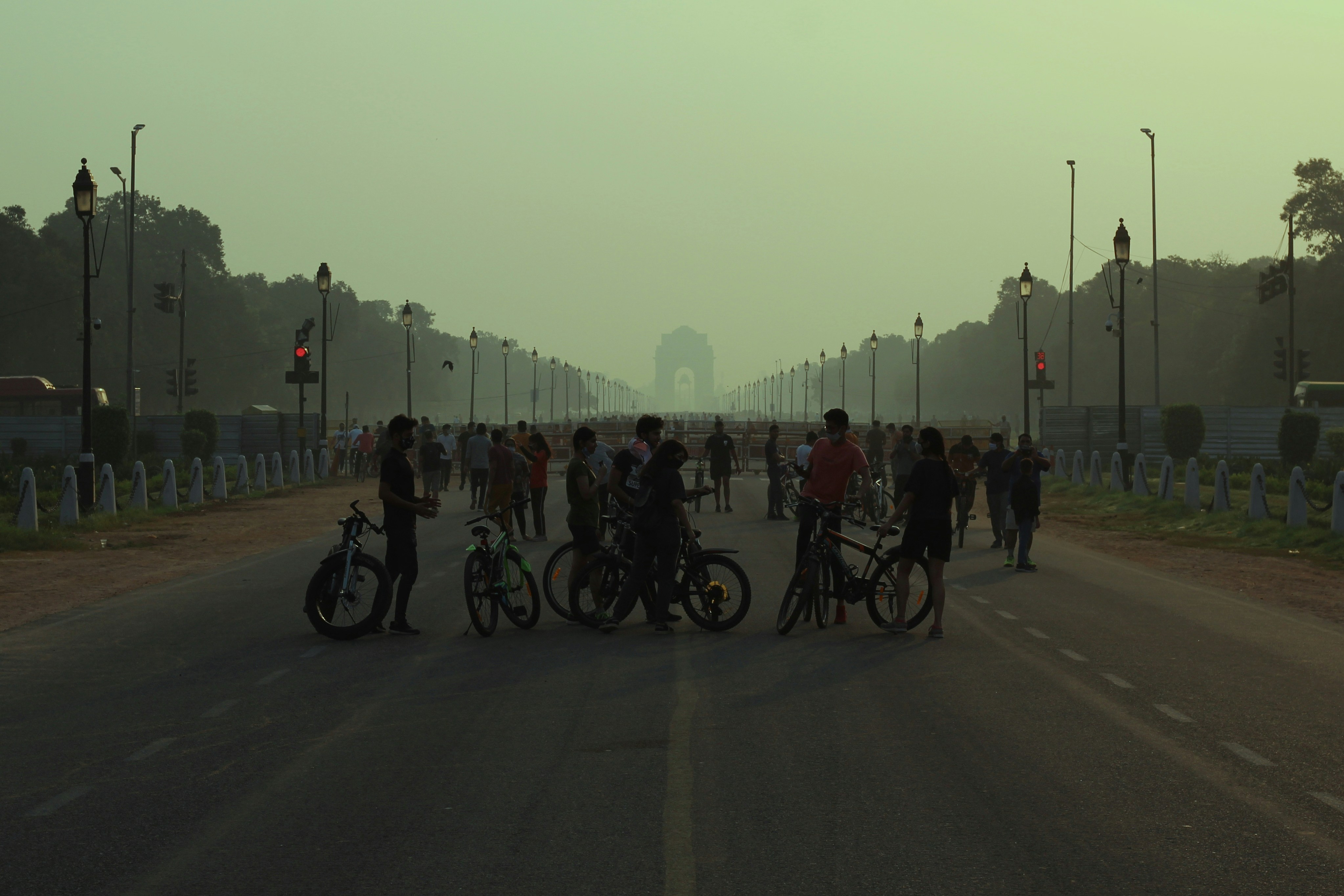
Delhi's Graded Response Action Plan has evolved into a standard emergency management response tool against seasonal smog, being implemented and lifted on several occasions so far this year, 2026. However, the AQI data from the Commission for Air Quality Management reveals that it had been in a state of 'moderate' to 'severe' for weeks. This article looks into whether the layered response mechanism plus new dust-control technology and electric-bus induction have tackled the causes of the problem, or just the symptoms of a pollution problem that stems from construction, vehicles and stubble burning in the region.
A Year of Stop-Start Restrictions
The Delhi air quality management system 2026, has been on a familiar cycle of invoking, strengthening, withdrawal and re-enactment. Data from the Commission for Air Quality Management in the National Capital Region also indicate that the most stringent of all four stages of the Graded Response Action Plan (GAP) – Stage-IV – were triggered on 17 January when the AQI jumped above 450, before being lifted in three days as weather conditions improved.
After almost 153 consecutive days under some form of restriction, air turned 'moderate' for the first time in five months with the index falling to 119 mid-March. That relief was only temporary though. Dust and diesel pollution combined with an unusually early and intense heat wave in April brought the AQI back into the 'poor' category (226) and triggered Stage-I pollution control measures, in addition to the usual winter pollution season.
Digital technology and enforcement tools
Authorities have increasingly been using a series of interventions. The automatic Number Plate Recognition systems are now deployed at the borders of Delhi to check the age of the diesel and petrol vehicles, whereas the mechanised road-sweeping machines and handheld vacuum units are set to take care of dust resuspension.
The government has also announced that it will buy 3,350 more electric buses and has experimented with electric vehicles such as e-autos and feeder cabs that were integrated at 10 metro stations.
The improvements in recent years were largely due to weather conditions, and not to intervention, the spokesperson for the CAQM said, adding that good dispersion conditions have contributed to a decrease in pollutant levels. That admission reflects one of the long-standing complaints of environmental researchers: that the automatic triggers from GRAP only react to spiking pollution levels, not to preventing them.
CAQM spokesperson says, “The meteorological conditions have been conducive and have helped to disperse pollutants in the air.”
Structural Gaps Remain
The National Clean Air Programme, which was launched in 2019, is recognized for providing a national reduction of about 25-27 per cent in particulate matter levels between 2019 and 2024 based on independent assessments. However, the PM2.5 levels in Delhi remain many times higher than the World Health Organization standards in the polluted months.
Legacy waste from Punjab, Haryana and Uttar Pradesh, landfill fires at Okhla and Bhalswa and unresolved contributions from Uttar Pradesh and Haryana are also hampering enforcement efforts which is largely under the jurisdiction of Delhi.
Seasonal firefighting has come to a limit, as recognized by the CAQM's recent transition from a winter-only action plan to a ‘year-round' action plan. Whether that recognition can translate into lasting improvement through newer monitoring networks and inter-state coordination is an open question for now.
Latest News
- ◆Case Filed Against CJP Supporters over Unauthorised Shivaji Park Gathering
- ◆Israeli Strike on Gaza City Apartment Block Kills Five, Officials Say
- ◆India's Forex Reserves Fall $18.3 Billion in Record Weekly Drop
- ◆Kharge Urges Modi to Release ₹3,705 Crore Drought Aid for Karnataka
- ◆Voter-Roll Protests: Delhi Police Detain Hundreds, Register Three FIRs