
Gig Work Fuels Urban Job Growth, Not Job Security
Millions of young Indians are trading traditional careers for app-based work, drawn by flexibility but caught without safety nets that formal jobs once guaranteed
Synopsis
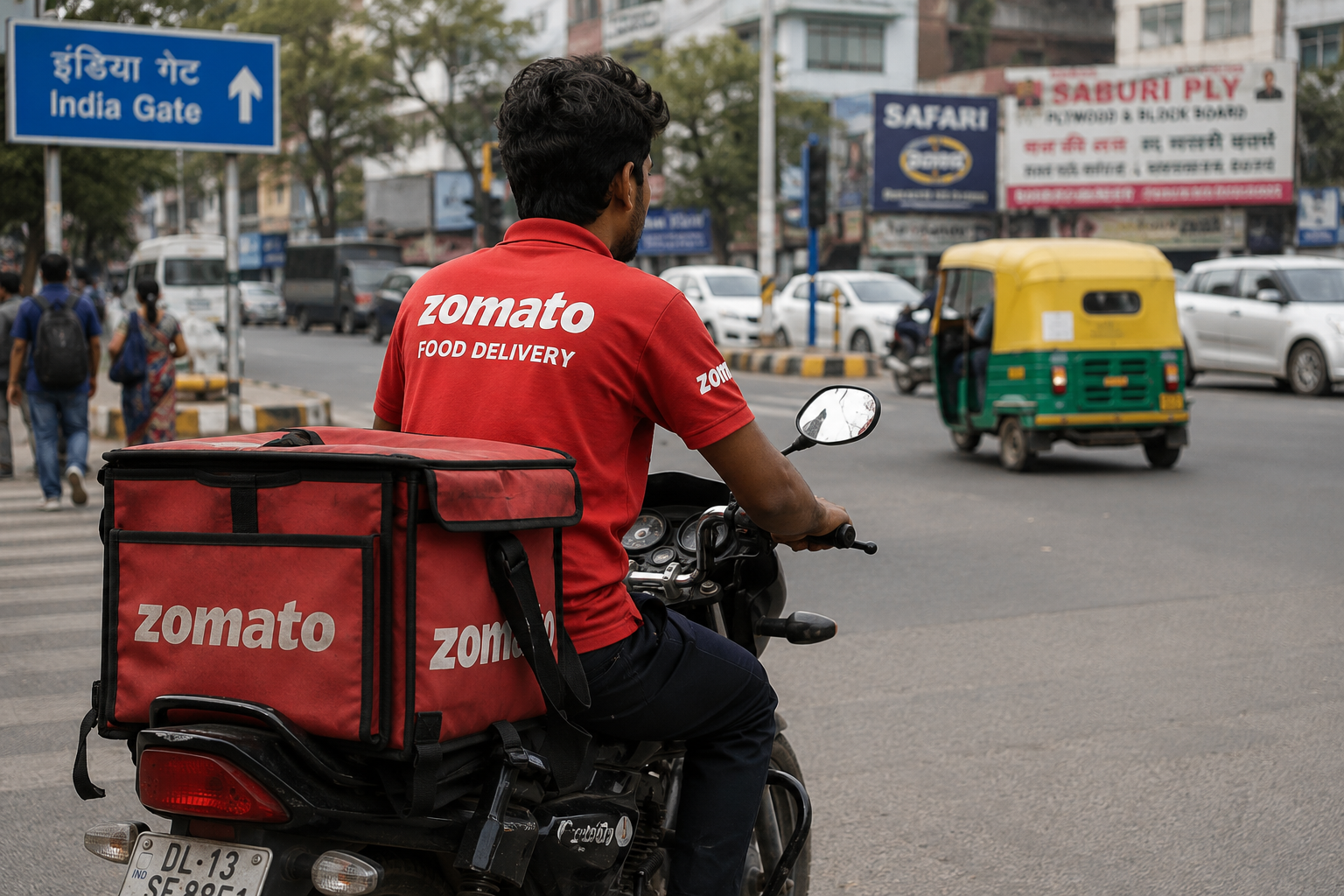
Thousands of young men and women every morning log on to an app, put on a delivery box and begin their workday without ever meeting with their employer in any of these cities.In the morning, thousands of young men and women in Delhi, Bengaluru and Mumbai log on to an app and strap on a delivery box before they begin their working day without ever meeting their employer. This has become the form of employment that modern urban life has taken for a considerable Indian youth population and it is now no longer a marginal sector.
What does today's student need? A Workforce Multiplier by the Year
The government estimates India had 7.7 million gig and platform workers in 2020-21; this is expected to rise to 12 million by 2024-25 and to 23.5 million by 2029-30, according to policy researchers. As of early 2025, the country's national database for over 1 crore registered workers, including both workers and employers, was maintained on e-Shram.
The pull is very simple to follow. The average Indian is 28 years of age and hundreds of millions of young people are entering the workforce every year, with app-based work being a path to access without any fixed hours or an interview. 90 per cent of the urban population use smart phones, making ride sharing, food delivery and freelancing possible even for those lacking formal qualifications.
The Statistical Invisibility Problem
But it is the very officials who are monitoring the labour market in India who are unable to see this workforce completely. Gig workers are not easily classified as self-employed, salaried or casual labour and their characteristics of engaging with multiple platforms, their tasks being assigned by algorithms and the variability of their income are not captured.
In response to a question in Rajya Sabha asking about the change in methodology for the survey to capture the gig work, the Ministry of Statistics and Programme Implementation replied that no such update has been done.
Flexibility Versus Fragility
The compromise is palpable in the real lives of delivery riders, who make ₹15,000 to ₹25,000 per month before fuel and data charges, which are often less than the applicable minimum wage when actual working hours are considered.
The compromise is palpable in the real lives of delivery riders, who make ₹15,000 to ₹25,000 per month before fuel and data charges, which are often less than the applicable minimum wage when actual working hours are considered. Platform algorithms set pay rates unilaterally and the routes and acceptance thresholds; if one's pay is below a minimum rating or order-acceptance rate one can be "deactivated", a term functioning as dismissal without hearing or appeal.
Platform executives object to this being unfair treatment. Zomato chief Deepinder Goyal has said the gig economy is one of India's biggest organised job creation engines, and if the system was fundamentally unfair, it would not consistently draw in and keep so many of those who opt for working in it, but warned that over-regulation could push workers even deeper into informal work with even fewer safeguards.
A slow trickle of escape ropes
The Union Budget 2025-26 also provided insurance coverage to gig workers listed on e-Shram, in addition to the earlier insurance coverage under the PM-JAY scheme of Ayushman Bharat.
Draft rules under the Code on Social Security, released in January 2026, suggest that to avail of these benefits workers need to be engaged with an aggregator for a period of 90 days in a financial year (120 days in case they are working for more than one aggregator).
The first state-level gig workers' welfare board has been made operational in Rajasthan and Karnataka's Bill is in consultation.
Both gig workers and the platforms are telling us something different, with gig workers reporting low-pay and platforms reporting greater flexibility and higher pay, cautions researchers at the India Development Review, which point out that "these do not have to be mutually exclusive accounts of real lived experiences among workers.
Latest News
- ◆No PUC, No Fuel: Gurugram Puts 1,054 Sites Under Watch Before Winter
- ◆₹9,222 Crore in Cess Never Reached Its Designated Funds, PAC Notes
- ◆Starship Reaches Orbit for the First Time and Deploys 26 Starlink Satellites
- ◆Supreme Court Refuses to Stay UPI Merchant Charge, Notice Issued to Centre
- ◆Gandak Reaches Record 91.25 Metres, Breaching Embankments in Bihar and Uttar Pradesh