
Hormuz Remains Contested: Shipping Data, Insurance Rates and India’s Crude Exposure
Diplomatic signals have moved oil prices, but vessel counts, war-risk premiums and Indian import data show a strait still operating well below normal
Synopsis
Oil prices are pushing about in statements from Washington, Tehran and Doha this week, but shipping data are more muted this week. In the week to November 4, there were 325 transits in the UKMTO, some 65% below the pre-conflict figures, and 11 attacks on shipping. The war-risk premiums have increased from approximately 0.25% of hull value to as high as 10%. This has led to the highest ever import of crude into India, despite a larger supplier base.
Based on the shipping data
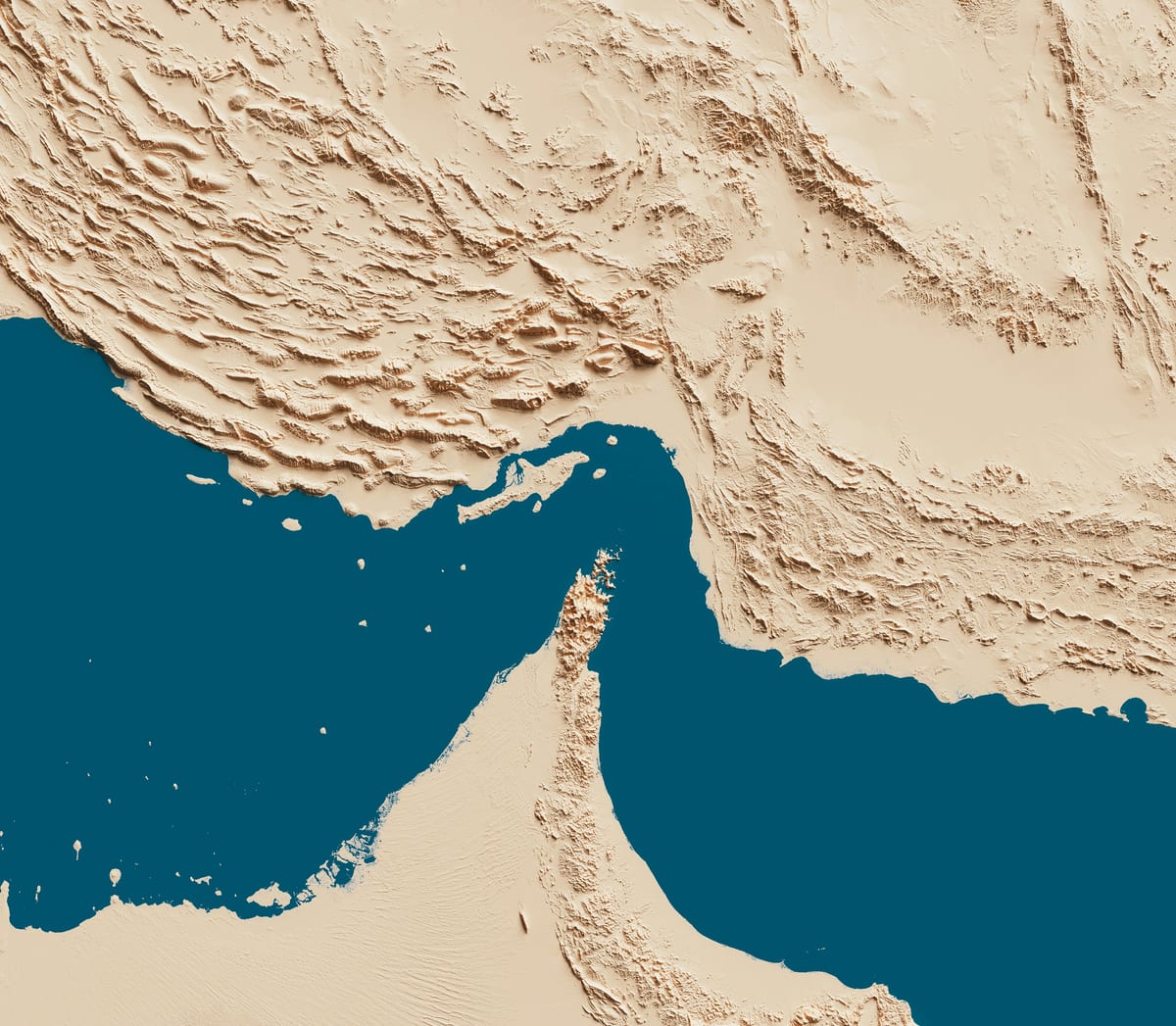
The Strait links the Persian Gulf with the Gulf of Oman and the Arabian sea, and accounts for approximately 20% of the world's traffic of both oil and LNG. In its advisory on November 5, the Joint Maritime Information Centre (JMIC) reported four attacks in 96 hours compared to three in the last period. It stated that commercial movements are “substantially reduced” when compared with the 2025 reference. The data it provided showed pre-closure traffic was approximately 138 vessels per day.
In the preceding week, from November 4th, there were 11 attacks against shipping, eight in the Strait, including three sunken, according to the weekly overview released by UKMTO. Overall transits rose slightly from 277 to 325, but remained some 65% lower than before the conflict. Approximately 80% were energy carriers.
Insurance and cost
In early October, brokers informed the Financial Times that the war risk premium for a Gulf transit stood at 6%-10% of hull value, compared with about 0.25% before the war. The range is between 3% and 10% per transit, or $3 million to $10 million on a $100 million ship, said Marcus Baker, global head of marine for Marsh. No series for freight rates were verified for this report.
India’s exposure
Prior to the war, Kpler had estimated that around 40% to 50% of the crude oil entering India transits through Hormuz, that is 2.5 million to 2.7 million b/d. India is an importer of crude more than 85%. Imports hit a record of about 5.6 million barrels a day in October, which Kpler’s Sumit Ritolia attributed to “exceptionally high utilisation rates” at refineries. But Russia's share dropped to about 35% from 55% in July, while Iraq, Angola and Venezuela provided additional supplies. LPG/LNG are the more vulnerable fuels.
A short-term deal, and its restraints
Qatar has come up with a plan to ease the blockade by the United States against Tehran and release some of Iran's estimated $8 billion of frozen assets in exchange for the closure of the Strait of Hormuz and permission to conduct nuclear inspections within two days.
The reopening of Iran's army is subject to the condition that the US meets all seven conditions that Iran has put forward," the army spokesman added. A temporary measure might alleviate pressure in the short-term market.
Such a deal would be a de-escalation rather than a settlement as there would be no resolution of the nuclear programme, no lifting of the sanctions, no unfreezing of assets, and no resolution to the regional security issues and blockade. Bob McNally, an analyst for Rapidan Energy, told CNBC he believes the fighting will likely restart 80% of the time.
Latest News
- ◆FAA Ground Stop Explained: How a maybe Faulty Router Grounded Every Flight in America
- ◆Kylie Jenner Sued for the 4th Time in 7 Months: Do We Smell Legal Trouble?
- ◆Nvidia Controversy Explained: What Jensen Huang’s Exit Means for India’s AI Ambitions
- ◆Huang Resigns as Nvidia CEO; Shares End 4.3% Lower After Early Slump
- ◆Abu Dhabi Talks Yield Prisoner Swap; US Envoys Brief Putin, Then Zelensky
Read More

Nvidia Controversy Explained: What Jensen Huang’s Exit Means for India’s AI Ambitions

Huang Resigns as Nvidia CEO; Shares End 4.3% Lower After Early Slump