
India's Plastic Rules Tighten, But Gaps Persist
New amendments to India's plastic waste rules introduce traceability and recycled-content mandates, even as a fake-certificate scandal exposes weaknesses in enforcement
Synopsis
In the Plastic Waste Management (Amendment) Rules, 2026, the government has brought in new QR code-based ‘traceability’ requirements, recycled content guidelines and a ‘tradable certificate’ system, all with the aim of strengthening EPR compliance in India. However, the identification of more than six lakh fake EPR certificates in the last few years has made it questionable whether the new provisions in the flexibilities will make the enforcement more robust or more weak. This article delves into the alterations, the magnitude of the challenge of plastic pollution in India and the argument over the effectiveness of compliance on paper.
The changes the 2026 Amendments make
The environment ministry notified the Plastic Waste Management (Amendment) Rules, 2026' based on the earlier rules of 2016, which were amended in 2017.
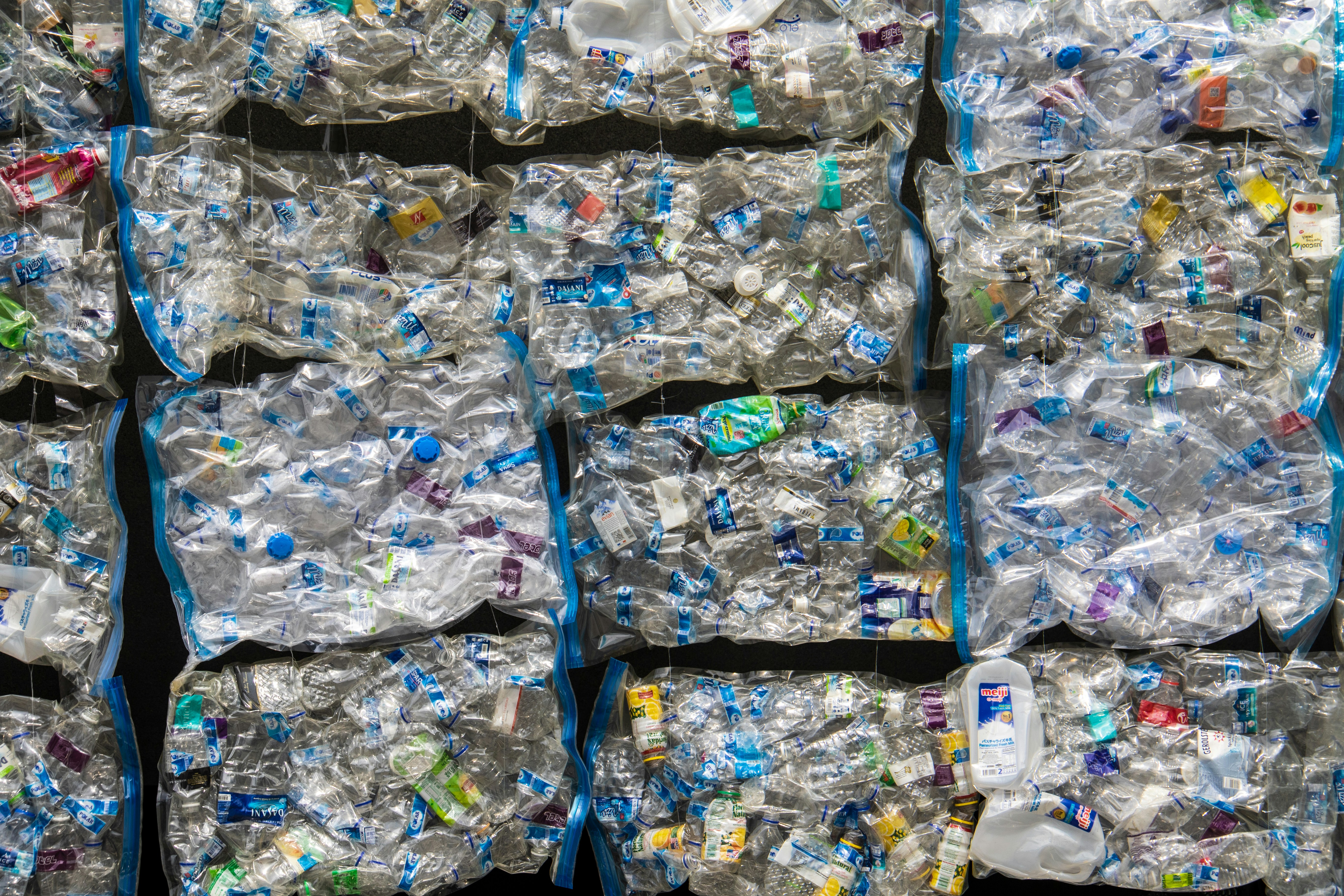
The amendments introduce a system of tradable EPR certificates, so that companies that do not meet the 40 per cent recycling content requirement can buy certificates from other companies, which exceed the requirement; plastic packaging will be required to have traceable QR codes or barcodes from January 2025; and the rigid plastic packaging will be required to include 40 per cent recycled content from the 2026-27 financial year.
The changes introduced a carry-forward feature that gives companies the opportunity to settle unmet EPR obligations within a three-year window instead of facing penalties immediately, and is driven by the fact that in reality, there are constraints on recyclers' supply chains and technologies that impose a practical limit on how quickly the obligations can be met, regulators said, though it is also being criticized for making it easier not to comply.
The Certificate Fraud Problem
However, when the authorities found more than six lakh fake EPR certificates in 2023, the credibility of India's EPR system suffered, as businesses could claim compliance without having any material recovered.
The Environment Ministry has estimated that India has recycled over 20.7 million tonnes of plastic waste since 2022, while the annual plastic waste generation stands at around 4.13 million tonnes, posing a challenge for researchers to verify the figures.
India's 2026 rules took lessons from the failures of the 2016 framework, such as moving to four-way waste segregation, but warned that the actual challenge would be in the implementation to be carried out by urban local bodies and not in the rules.
A program of category specific trading and enforcement
The new rules also limit the trading of EPR certificates to be by category, so that a credit obtained from recycling rigid plastics like PET bottles for water bottles cannot be used to meet targets for recycling multi-layered plastics like snack wrappers or tetra cartons. It is also developing a centralised online platform to monitor waste from the point of production, to collection, processing and final disposal.
Enforcement is still in the hands of urban local bodies, which are monitored by state committees, and to independent environmental auditors, which officials claim is good for accountability but which independent monitors say has not yet demonstrated its ability to bridge the gap between what is reported and what is recovered on the ground.
Latest News
- ◆Case Filed Against CJP Supporters over Unauthorised Shivaji Park Gathering
- ◆Israeli Strike on Gaza City Apartment Block Kills Five, Officials Say
- ◆India's Forex Reserves Fall $18.3 Billion in Record Weekly Drop
- ◆Kharge Urges Modi to Release ₹3,705 Crore Drought Aid for Karnataka
- ◆Voter-Roll Protests: Delhi Police Detain Hundreds, Register Three FIRs