
Karnataka Challenges Bike Taxi Ruling before Supreme Court
Karnataka argues motorcycles lack passenger safety features, raising concerns over accident vulnerability, insurance coverage, and women's safety in bike taxi operations
Synopsis
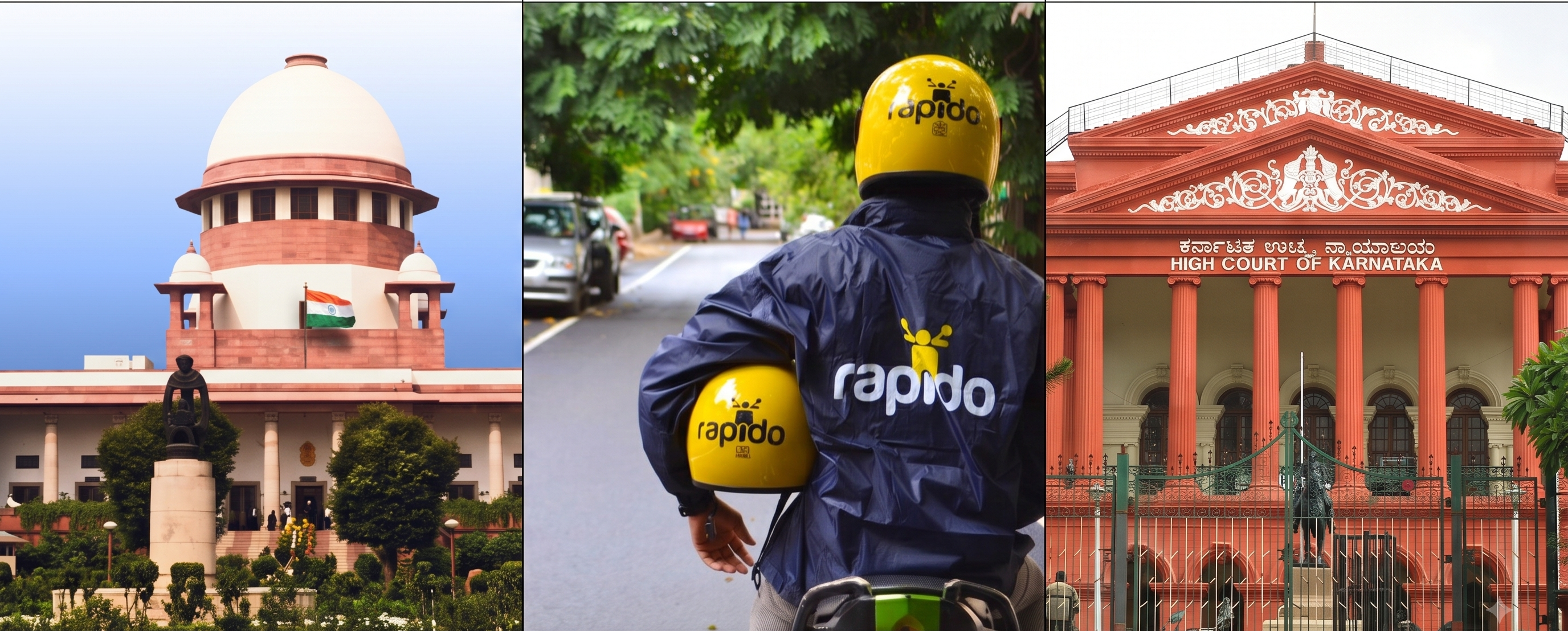
Karnataka has taken its bike taxi dispute to the Supreme Court, challenging a High Court ruling that cleared the way for motorcycles to be registered and licensed as bike taxis. The State says two-wheelers don't have the passenger safety features found in autos and cabs, raising concerns around accident vulnerability, insurance coverage in cases of fatality, and women's safety. At the heart of the petition is the High Court's January 23, 2026 Division Bench judgment, which directed authorities to register motorcycles as transport vehicles and grant permits to aggregators like Ola, Uber, and Rapido, a ruling that Karnataka contends effectively converted its discretionary power into a mandatory obligation.
What Safety Concerns did Karnataka Raise?
In its petition, Karnataka argued that motorcycles simply don't have the safety features built into autos and cabs, which raises real concerns around accident vulnerability, insurance coverage after a fatality, and women's safety. The State also pointed to road congestion, pollution, and the fact that two-wheelers carry a higher fatality risk than other vehicle types, all of which it says justify restricting bike taxi operations.
Karnataka further submitted that the Karnataka On Demand Transportation Technology Aggregator Rules, 2016 were framed specifically for four-wheeled motor cabs and had consciously left motorcycles out of their scope. It also leaned on a March 18, 2026 response from the Union Ministry of Road Transport and Highways to back up its position.
Why Did the High Court Allow Bike Taxis?
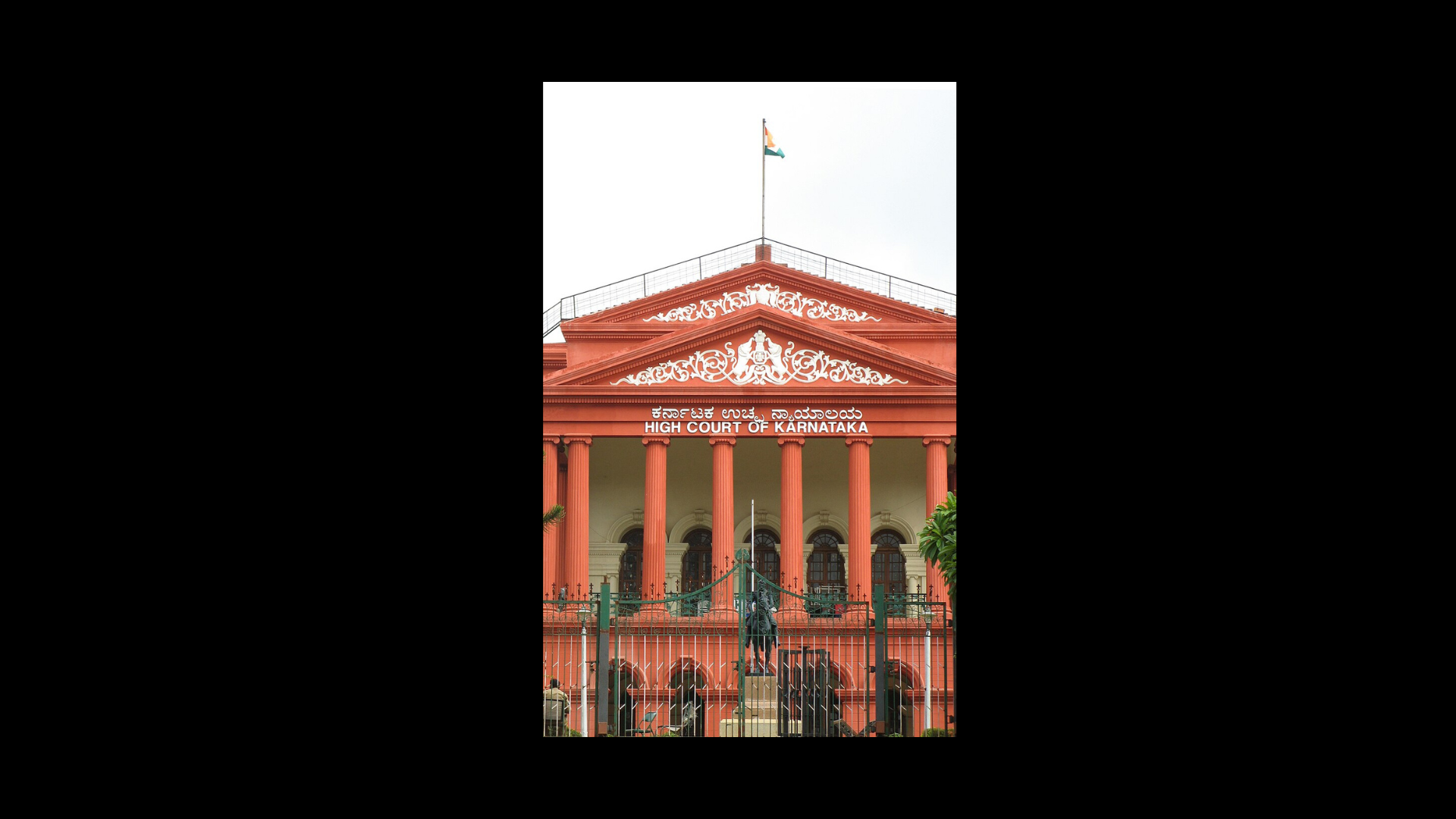
The Karnataka High Court's Division Bench, made up of Chief Justice Vibhu Bakhru and Justice C M Joshi, ruled on January 23, 2026, that running a taxi service counts as a legitimate business, protected under Article 19(1)(g) of the Indian Constitution. The Bench held that Karnataka's unwritten ban on bike taxis wasn't a reasonable restriction, since no law, rule, or notification actually barred motorcycles from being registered as transport vehicles.
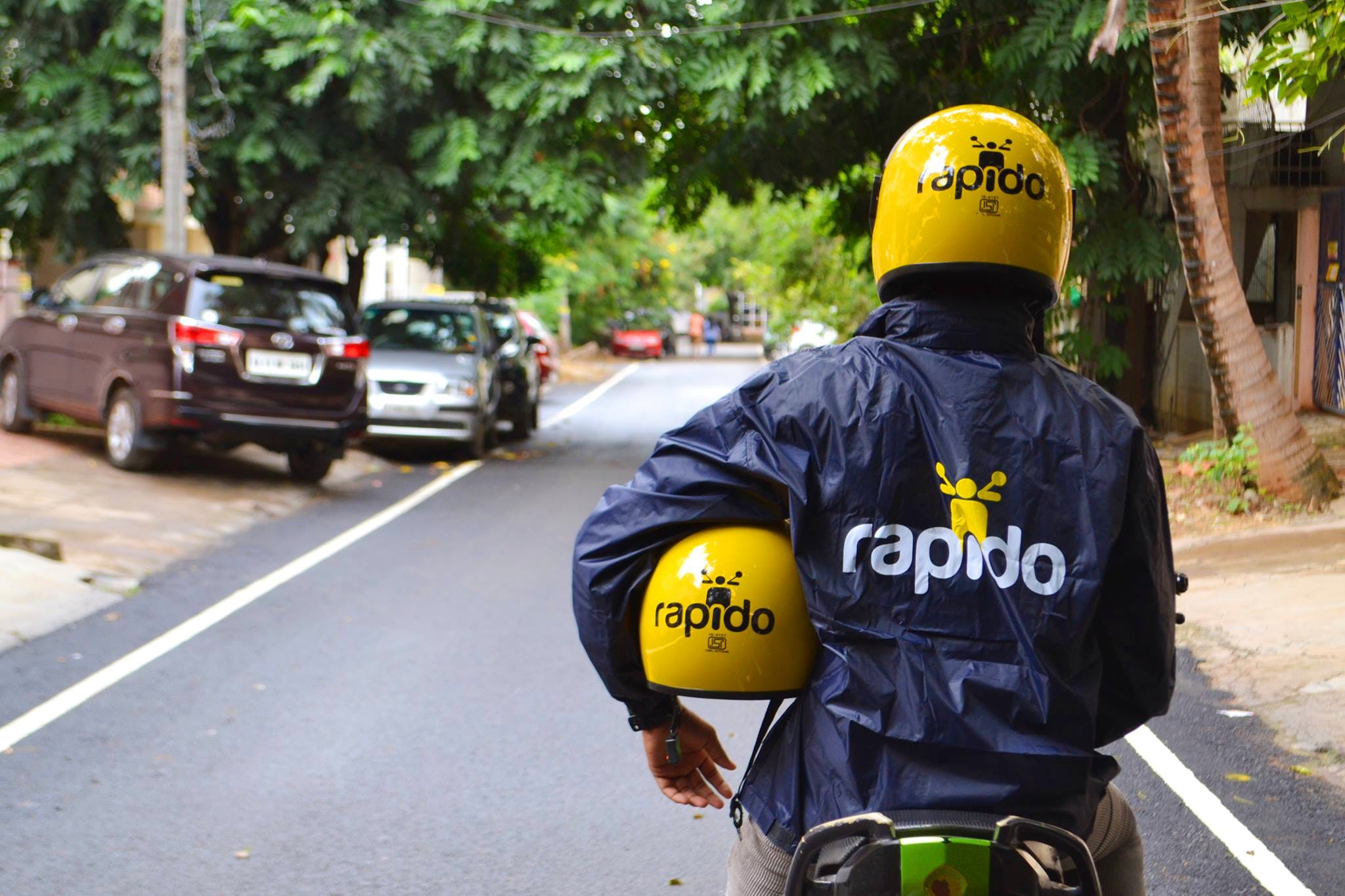
Appeals were filed by Ride-Hailing companies Ola, Uber, Rapido, motorcycle owners, and the Bike Taxi Welfare, all pushing back against an earlier single-judge order by Justice B Shyam Prasad that had halted bike taxi operations until the State drew up specific rules. The Division Bench then directed authorities to start considering applications for registering motorcycles as transport vehicles and issuing contract carriage permits.
What Does Karnataka's Appeal Argue?
In its special leave petition, filed on April 22, 2026, Karnataka argued that the High Court had effectively turned the transport authorities' discretionary power to grant permits into something mandatory. The State's position is that the Motor Vehicles Act, 1988 doesn't hand out an unconditional right to run any particular vehicle as a taxi, and that motorcycles have never been classified as motor cabs or contract carriages under the Act.
Even with the case still pending, a State Transport Department official said the government hasn't closed the door on eventually framing a regulatory framework for bike taxis. The Supreme Court has admitted Karnataka's petition, though the matter is yet to be listed for a full hearing.
Latest News
- ◆Delhi Approves DURGA Scheme for 1,300 Pink E-Autos for Women, Transgender Drivers
- ◆Black Sea Disruptions Push Bangladesh Back to Indian Wheat After Four-Year Gap
- ◆Microsoft's Hyderabad Cloud Region Opens as Telangana Targets 5 GW of Datacentres
- ◆Gold Slips in India as Firm Dollar and Fed Rate-Hike Bets Weigh
- ◆Rupee Slips to One-Week Low as Oil Rally Revives Global Rate-Hike Fears