
Saudi Arabia Steps Up Yemen Campaign as Houthi Fighting Reaches Bab el-Mandeb
Saudi-backed Yemeni forces claim gains near a chokepoint for global shipping, while Houthi attacks on Saudi airports and energy sites widen the conflict
Synopsis
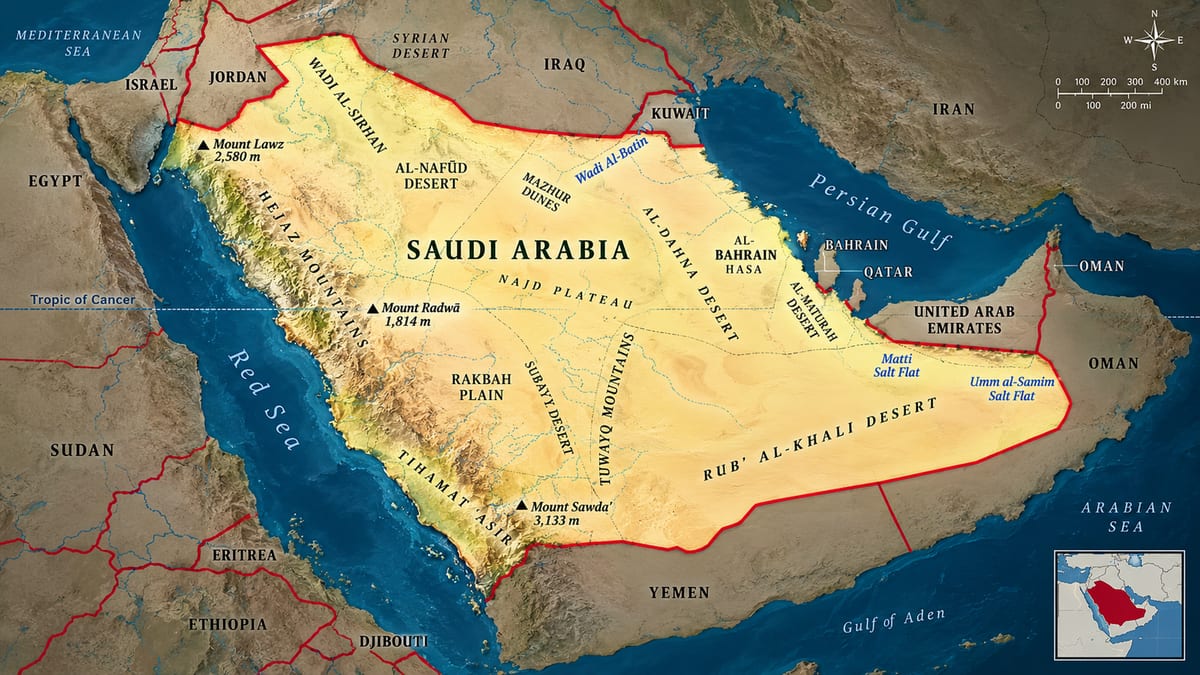
Saudi-backed Yemeni government troops have seized control of territory around the Bab el-Mandeb Strait, including Mocha, following an advance by Houthis in September, the government has said. Saudi Arabia is claiming it hit hundreds of targets for air cover, while the Houthis attribute attacks to Saudi airports and oil facilities. More than 184,000 have been displaced so far, the IOM says, and the conflict has created an oil supply and shipping threat for the Red Sea.
Yemeni government troops have taken control of various strategic sites near the Bab el-Mandeb strait from the Iran-backed Houthis amid mounting violence on the country's western coast, the Yemeni government said on Tuesday.
A new phase of an old war
According to Rashad al-Alimi, chairman of Yemen's Presidential Leadership Council, the new operation, "Dawn of Yemen," announced on Sunday is aimed at reclaiming all the remaining territory held by the Houthis, including Sanaa. The Houthis had seized swathes of the coast and captured Perim Island in the strait last month.
Saudi Arabia claimed Monday it had struck hundreds of targets to give air cover to the strait and to Yemeni ground forces. On 3 October, Reuters reported citing regional and western officials that Riyadh was considering options such as a push to the coast to establish a control of the Red Sea route.
The next phase would depend on the battle for Mocha, said Fernando Carvajal, a former UN Security Council adviser on Yemen, to Al Jazeera. U.S.
Yemen's current escalation "is straining an already precarious health care system to breaking point.
Sri Lanka has no domestic cases of Ebola, said Annette Heinzelmann, head of WHO's emergency response in the eastern Mediterranean region.
Houthi response
A spokesman for the Houthis military claimed the insurgents had not lost any ground and dismissed the reports as "fabricated heroics. Media affiliated to the Houthis said they had reported strikes by the people at King Khalid International Airport in Riyadh and an Aramco refinery in Rabigh.
Saudi Arabia's aviation authority said on Monday that airports in Jazan and Najran were hit, resulting in three minor injuries. Riyadh has not substantiated a number of other allegations.
Regional and humanitarian impact
At least 959 people have been killed and over 4,200 wounded, the WHO reports, while the IOM reports over 184,000 displaced since the resumption of the war.
The Saudi Arabia and the Yemeni government have a right to defend themselves, said Secretary of State Marco Rubio, and Turkey and Pakistan have agreed to deploy forces to Saudi Arabia under the Mecca Joint Defence Agreement.
How it affects the energy markets
The Iran war has cut off traffic through Hormuz, making the Red Sea a greater alternative route. On Wednesday, the Reserve Bank of India (RBI) mentioned the unresolved matter of West Asia as a risk in its policy statement.
Outlook
The government's claims remain unverified, and Mocha is surrounded on three sides, according to Mr. Carvajal. The next phase will see whether the coalition can maintain its dominance and if there has been any continuation of Houthis' drone attacks on shipping.
Latest News
- ◆Nobel Prize in Chemistry Awarded to Kagan and Soai
- ◆Saudi Arabia Steps Up Yemen Campaign as Houthi Fighting Reaches Bab el-Mandeb
- ◆Sensex Sheds 429 Points, Nifty Falls 0.8% After RBI Rate Hike
- ◆Forex Reserves Fall Over $50 Billion From Peak as RBI Defends Rupee
- ◆Rupee Hovers Near Record Low as RBI Governor Cautions on Market Irrationality