
Trump Drafting Ban on Chinese Data Centre Devices
FCC developing measures to bar U.S. imports of Chinese data centre devices
Synopsis
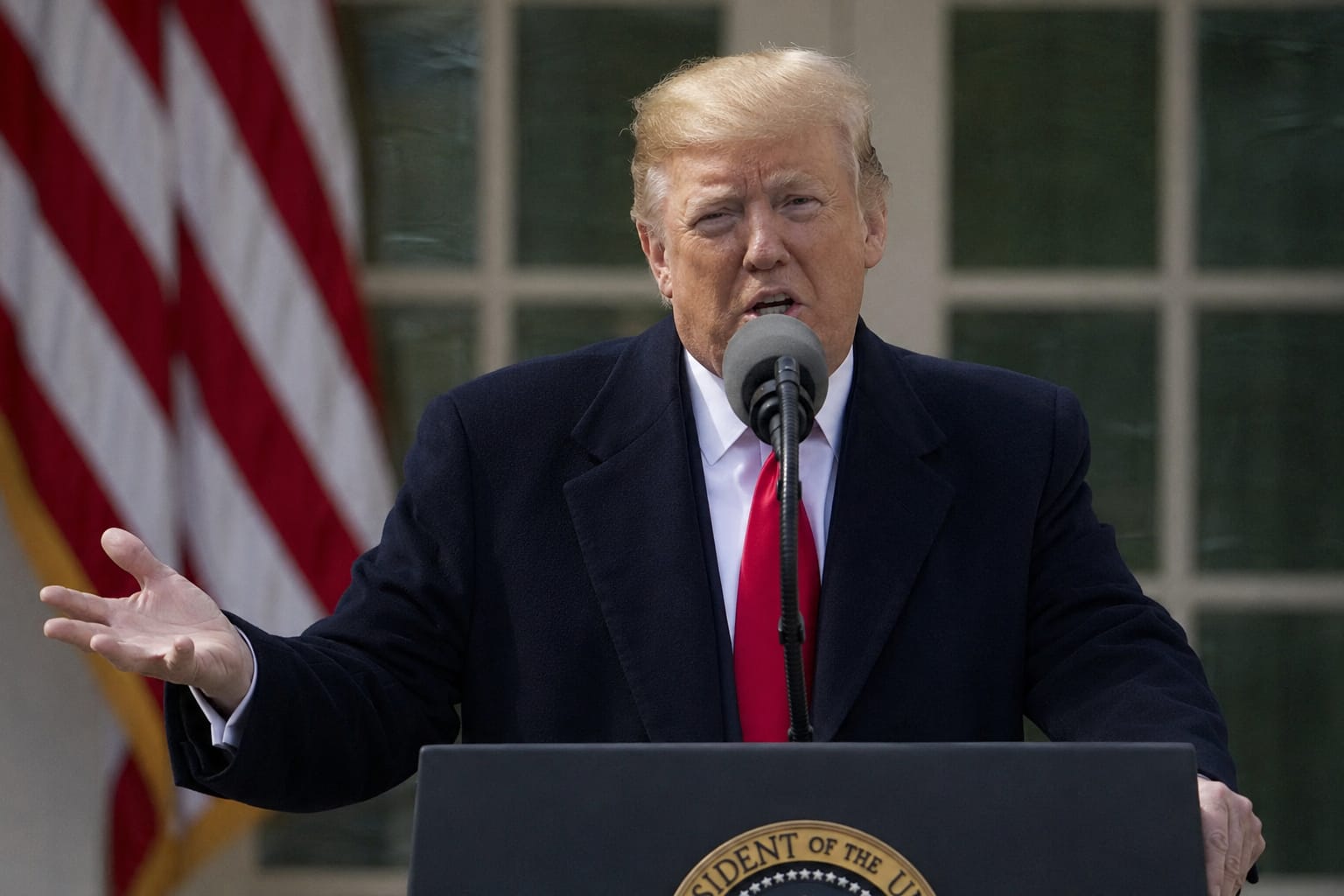
President Donald Trump’s administration is reportedly drafting a ban on U.S. imports of new models of Chinese data centre components. The move comes as part of the U.S. government's effort to protect infrastructure and respond to the rapid development of AI technology in China.
The U.S.'s Stance
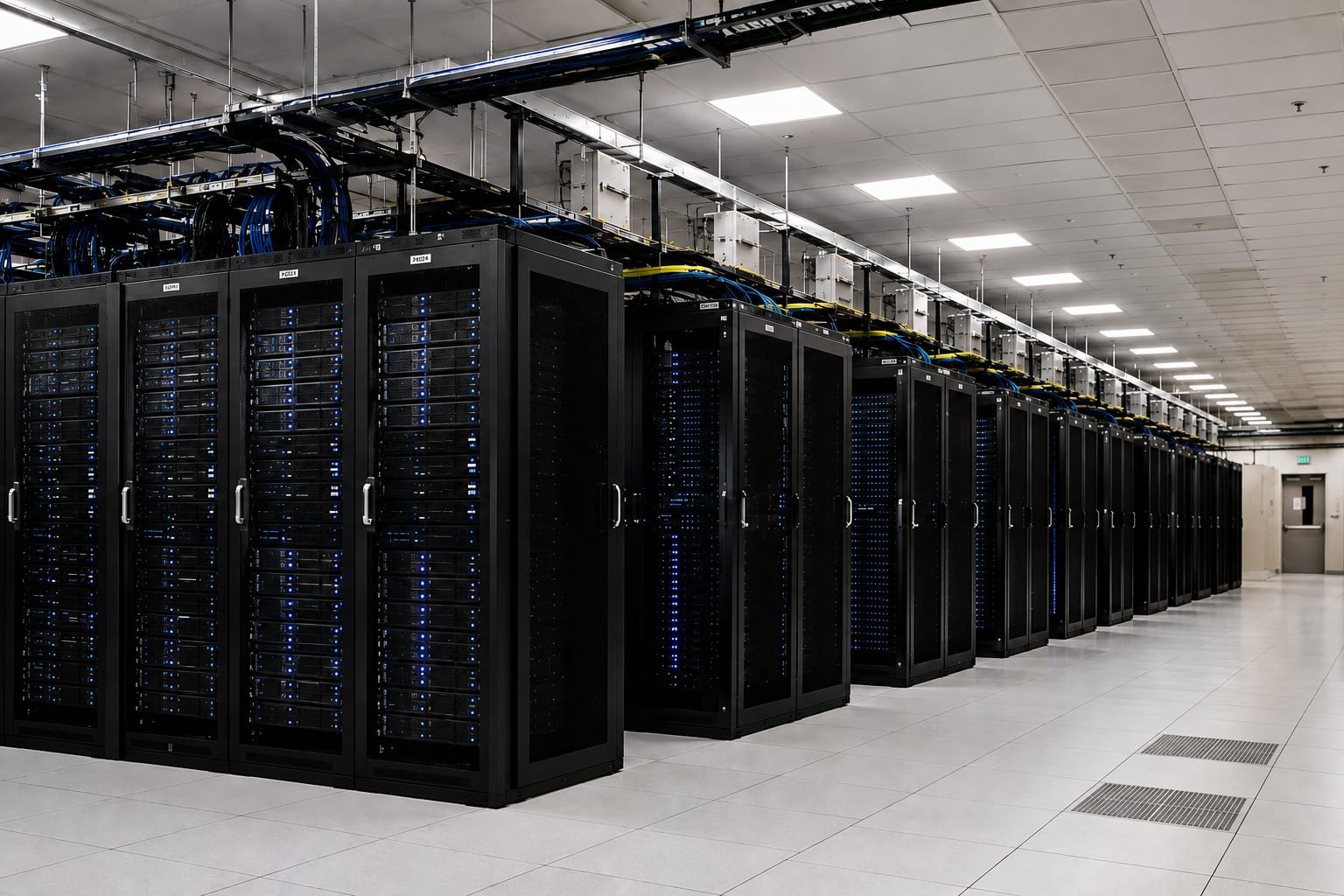
The Federal Communications Commission (FCC), which oversees the U.S. telecom industry, is working on a measure to bar the import of new Chinese optical transceivers that enable data to travel over fibre-optic cables at the speed of light within data centres. Officials hope to publish it and make it effective within this year.
Is China Posing a Threat to The U.S.?
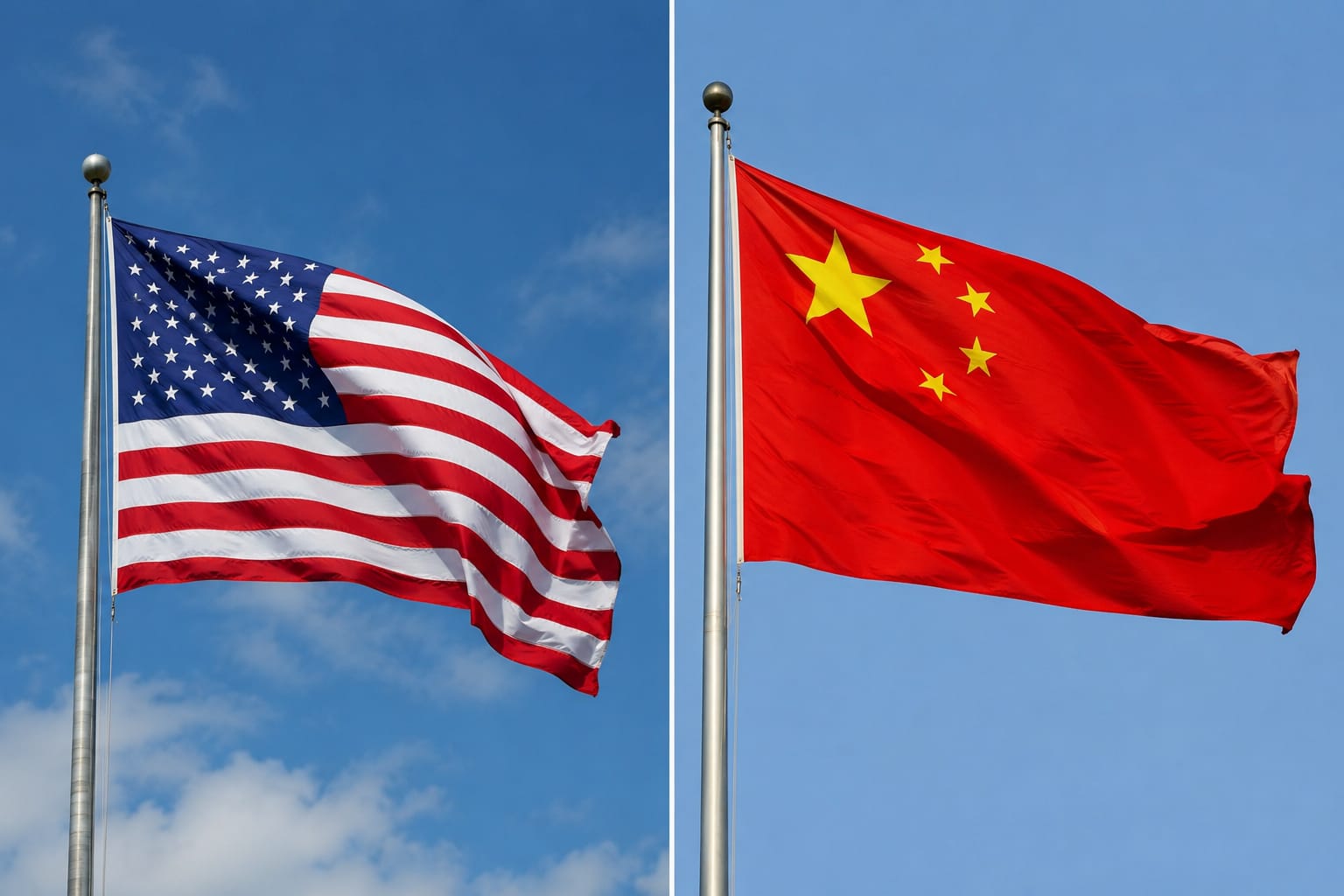
Besides the U.S.’s security concerns of the Chinese firm stealing their data, installing malware or disrupting service at U.S. data centres, the U.S. has led the AI industry for a long time with companies like OpenAI, Anthropic and Google. Therefore, advancements in China’s artificial intelligence, chip manufacturing and robotics technologies have disrupted markets, thereby posing a threat to the U.S.
The U.S.’s Response
Chinese companies are the biggest manufacturers of the components required for datacentres, with their optical transceiver technology controlling a major part of the global market for technology. Although plans for the buildout are falling largely behind schedule, the U.S. tech companies have committed trillions of dollars to build American AI infrastructure. The U.S. has fallen heavily behind in its race against China.
Last month, the FCC declared a ban on the advanced humanoid robots of China. The Trump administration is considering whether to restrict the use of the Chinese open- source AI models.
The Effect of the Ban
The U.S.’s ban on Chinese data centres would likely hit China’s Zhongji Innolight300308.SZ, one of the biggest global sellers of transceivers, which was added to the Pentagon’s list of alleged Chinese military-backed companies in June.
The ban could also raise costs for American cloud firms such as Amazon Web Services, forcing them to transition to other U.S. based producers such as Coherent and Lumentum.
China’s Response
The Chinese embassy in Washington has said that Beijing urges the U.S. to “heed the objective and rational voices of the business communities in both countries” and “stop smearing Chinese companies and threatening them with sanctions”.
“China will take all necessary measures in response to any action that causes material harm to its interests,” it added.
The FCC, while refusing to officially comment, took action against Chinese inverters and robots last week.
Race to Compete
The U.S.’s ban on the new models of Chinese data centre components will cause the U.S. significant supply chain bottlenecks, delays in building artificial intelligence superclusters, higher hardware costs for cloud providers, and potential retaliatory trade measures from Beijing. However, it is considered as an important step towards relief from security concerns and to regain their place in the AI industry.
Latest News
- ◆NSE's $2.3 Billion IPO Draws Over $10 Billion In Bids
- ◆India-New Zealand Free Trade Pact To Take Effect October 20
- ◆Tata Group Governance Feud Deepens Over Chandrasekaran's Term
- ◆India Reaffirms Push For Constructive Ties With Bangladesh
- ◆Teen Gang-Raped Near Delhi Temple, One Suspect Held In Encounter