
Wall Street Closes Lower as Oil Surge and 4.99% Yield Rattle Investors
The S&P 500 fell 0.5 per cent, the Dow 1.2 per cent and the Nasdaq 0.2 per cent as inflation and financing worries grew
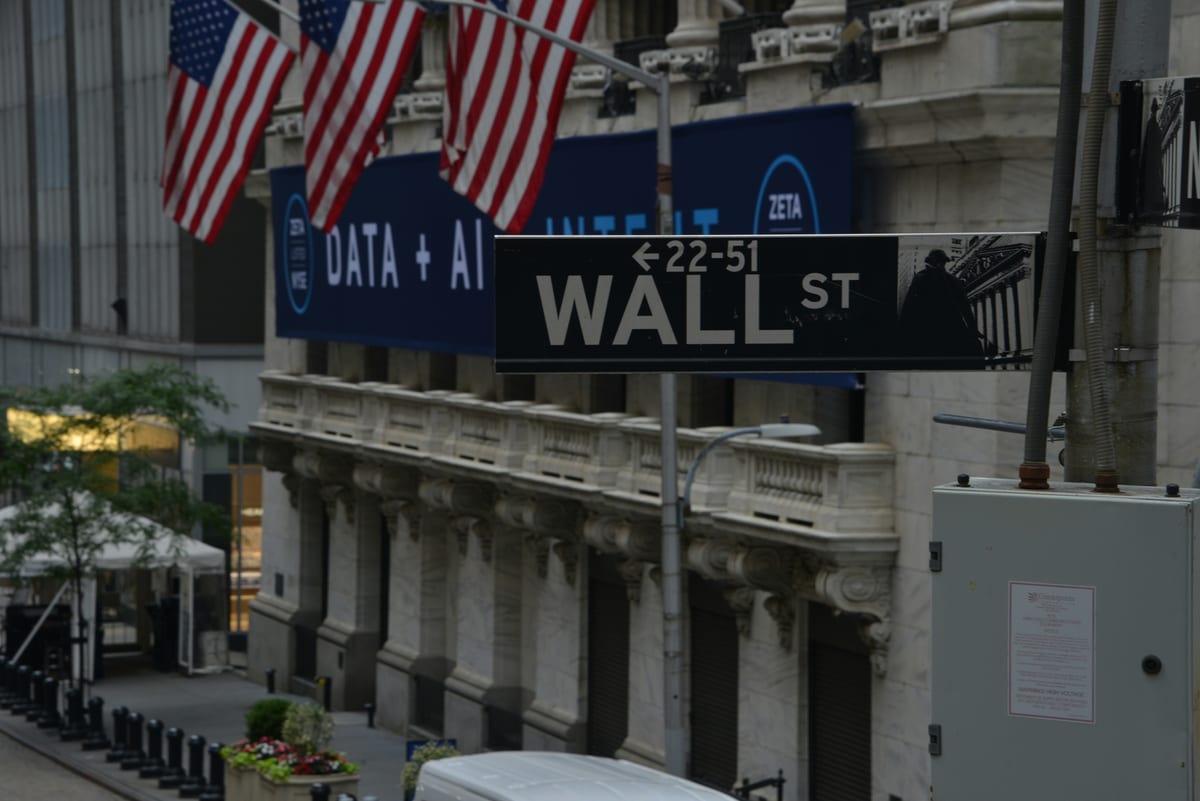
Synopsis
Closing on Friday, October 23, U.S. stocks ended down amid worries about rising oil prices and inflationary pressure, which also helped drive up interest rates. The S&P 500 closed 0.5 per cent lower, while the Dow was down 1.2 per cent and the Nasdaq was 0.2 per cent lower. The 10-year Treasury rate increased to 4.99 per cent. The S&P 500 tumbled for its second consecutive weekly loss, as the Fed is scheduled to meet next week.
It was a down day for Wall Street on Friday with oil prices climbing and Treasuries yields inching around 5 per cent. The mix brought back concerns about the duration of high borrowing rates.
The S&P 500 fell 39.75 points to 7,623.68, the Dow dropped 652.82 points to 52,215.16, and the Nasdaq gave up 53.52 points to close at 25,955.34. The Associated Press reported that almost 75% of the S&P 500 index of 500 stocks fell.
Oil sets the tone
The market was weighed down by the rise of Crude. Supply concerns were driven by Houthis' attacks in Saudi Arabia, which pushed Brent up 3.1 per cent to about $116.72. The group of energy stocks did well compared to the rest of the market.
Friday's plummet came on an already bumpy Thursday. Meanwhile, Treasuries rallied while the Nasdaq Composite and the S&P 500 each slid 2.6 per cent on the day. The 10-year yield fell the most in a day since March 2023 and helped to boost homebuilders, regional banks and real-estate investment trusts, according to CNBC.
Recovers almost 5% of its weight.
The 10-year yield inched slightly higher to 4.99 per cent from 4.96 per cent late Thursday. Yields have increased worldwide, no doubt because of concerns about excessive government borrowing. According to Schwab's market commentary, the 10-year had climbed back to a 3-month high of 5.36 per cent earlier this month. The two-year yield, which is more sensitive to Fed policy, ticked up 2 basis points to 4.6625 per cent.
The Fed's shadow goes on and on
Inflation in the United States is stubbornly staying above the Fed's 2 per cent target, the AP reported, which led to the Fed's hike in its benchmark rate at its previous meeting. Wall Street's prediction for the central bank's September rate decision is that the Bank of Canada will keep rates unchanged but is making a big push for another hike in December.
A split image under the water
The score card for the week was mixed. The S&P 500 fell 0.5 per cent for the week, the Dow rose 0.4 per cent and the Russell 2000, a share index of smaller companies, jumped 2 per cent. The S&P 500 is 11.4 per cent higher for the year, while the Nasdaq is 11.7 per cent higher.
The shift in leadership was also highlighted by CNBC, which noted the S&P 500 excluding AI-related stocks are up 12.4 per cent YTD through Thursday, outperforming the broader index's gain of around 12 per cent. This deficit narrowed significantly in October.
Outlook
The three key factors that will dominate the next few days are likely to be the trajectory of crude, the Fed's signals next week, and the 10-year yield remaining in the 5 per cent range. They each have an impact on the value of the technology-heavy indexes that powered this year's rally.
Latest News
- ◆Apple Briefly Overtakes Nvidia in Market Value, Then Slips Back at Close
- ◆Finance Panel Picks 46 Subjects for 2026-27, Including Digital Assets and AI
- ◆Wall Street Closes Lower as Oil Surge and 4.99% Yield Rattle Investors
- ◆RBI Minutes Show Rate Panel Open to More Hikes, Divided on Pace
- ◆Sensex, Nifty Slide for Third Session as Costly Crude Weighs on Equities