
Watching TV While Scrolling: How It Affects Your Memory
Why the plot of the episode vanishes the second your phone screen lits up
Synopsis
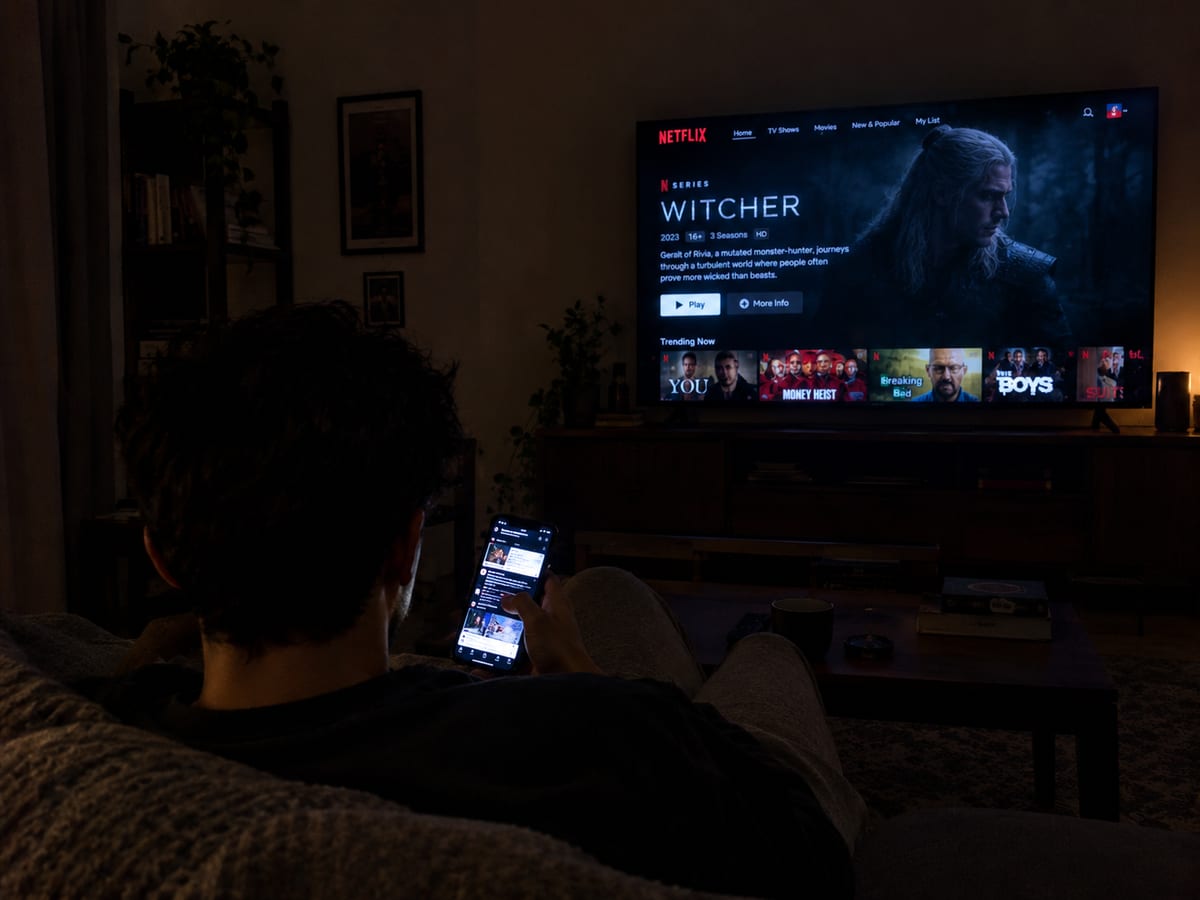
Have you ever watched a full episode where the character has had three mental breakdowns, been through a breakup and a mind-numbing plot twist, and you noticed none of it? The TV’s screen was lit up, but so was your phone’s. Instagram was open, so you naturally liked that cute dog reel. Scrolling while watching TV has become so normal that watching a forty-minute episode feels like a task. It may seem harmless, and you may think, “so what, my brain has handled a lot worse”, but handling it all doesn’t mean the brain handles it well, and this is where the psychology of attention and memory gets interesting.
The Multitasking Myth: How Media Switching Affects Your Focus
The human brain likes to take the credit for juggling multiple tasks at once. Replying to e-mails while watching a series may feel productive, almost impressive, but what feels like multitasking is just complex task-switching in disguise. The brain flicks its attention from one thing to another in mere seconds, many times a minute, and each flick has a cost.
Researchers have found that self-proclaimed heavy media switchers have more difficulty switching between things and filtering out irrelevant information than light media switchers. The people who juggled the most were the worst jugglers, and oddly, the most confident, too.
Why You Remember The Reel But Not The Plot
Here is a slightly annoying part : the brain doesn’t save everything it sees. Memory isn’t a recording device. For something to be stored as information, it has to be noticed (attention), it has to be processed (encoded), and then stored (consolidated). A scene that was never noticed cannot be processed and thus cannot be stored. The brain isn’t forgetting information; it was just never learned in the first place.
A reel is often easier to remember because a short video talking about a celebrity’s dating history might stick. After all, it is emotionally engaging, which means that it gets watched with greater attention. The plot to an episode, meanwhile, gets lost in our mind because it competes for five different things during the same moment. This doesn’t mean that our brain is broken; it just suggests that factors like attention, interest and emotion influence our information retention.
Why Is The Phone Even On?
Why is watching one screen not enough now? Part of this answer lies in how digital platforms or social media offer a newness after every swipe. The thrill of not knowing what comes next, combined with the possibility of something funnier, better and surprising showing up after every swipe, is what makes scrolling particularly easy to continue, even when it is no longer enjoyable.
The second screen offers the potential of a rewarding experience, whereas a show needs time to build up its storyline, develop distinctive characters, and it asks the viewers to remember what happened before this. Storytelling rewards patience; scrolling offers frequent changes. While both compete for our attention, the faster-changing screen is harder to ignore.
The Shrinking Attention Span: Fact or Fiction
Whenever people realise they have missed an important part of a show they know they watched, they ask themselves one question: is my memory getting worse? And the answer to that is, not necessarily. Forgetting the details of an episode while scrolling is not proof of memory loss nor, does it mean that your brain is losing its ability to concentrate. It is also important to separate memory problems from attention problems. The popular claim that humans have goldfish memory is a myth; it has no solid research behind it. So no, using Instagram while using Netflix doesn’t mean your attention span is doomed.
Then there’s also the boredom threshold. Modern life has trained brains to expect constant stimulation, so any lull in a plotline becomes an itch. Scrolling scratches it instantly. It’s relief, not enjoyment, and the difference matters.
Press Pause on the Scroll
Somewhere along the way, entertainment turned into background noise. Stories that were once watched with full attention now share space with notifications, reels and half-read messages, and the strange part is that it feels normal. Nobody plans to miss the plot. It simply slips away, one glance at a time. But the research points to something worth sitting with: memory is built from attention. A scene that was never fully noticed was never truly stored, which means a show watched with half a brain gives back only half a story.
The brain is not failing. It is doing exactly what it was trained to do, which is to chase the next small reward. And that is the hopeful part. Habits that were learned can be unlearned. Sustained focus is less a talent than a practice, and every phone-free episode is a small rep.
So perhaps the real question is not “Why can’t focus last?” but “What deserves it?” Because attention is the one thing that cannot be rewound, and what it is spent on quietly becomes the story of a life. Next episode, try leaving the phone in another room. The characters have been waiting.