When the West Wears Indian Fashion, It Becomes a Trend
Same weave, bigger price tag: how Ralph Lauren’s “inspired by” keeps skipping the “India” part
Synopsis
Indian crafts and fashion have been around for centuries, but they only seem to "arrive" once a Western runway notices them. Ralph Lauren's ‘rebranding’ of jhumkas as ‘vintage-style accessories’ and its use of a Bandhani-style skirt and a zardozi gown are just a minuscule part of a major issue. This matter zeroes in on how the craft becomes a trend once it crosses the Indian border, why "inspired by" has become fashion's favourite loophole, and why credit and acknowledgement matter more than outrage.
The Great Rebrand
Here's a fun fashion trick, if you’re trying to be a big hitter in the fashion industry. Wear a long breezy kurta to your office in Delhi and call it ethnic wear, then wear the same thing in Paris with a French name and a three-figure price tag, and call it “ boxy tunic dressing." Relax, it's okay; this is a normal thing to do. After all, the garment hasn't changed, only the zip code. That is most probably Indian fashion’s biggest issue: it's always been a trend-setter, just not with the right passport. Somewhere between the sewing machine in Surat and the showroom in LA Fashion District, a mysterious transformation occurs, and it usually involves a markup and a loophole.
A craft doesn't become a trend because it's good, since it was good all along. It becomes a trend when someone with front-row access, a PR team and the Milan venue says so. Block prints, hand embroidery and tie-dye were fashionable at home for generations, but the global machine rings the "trend" bell only when a Western label does it first. Until then, it's just what your Dadi wore. Then a model has worn it, and suddenly everyone is a textile historian.
The Ralph Lauren Receipt
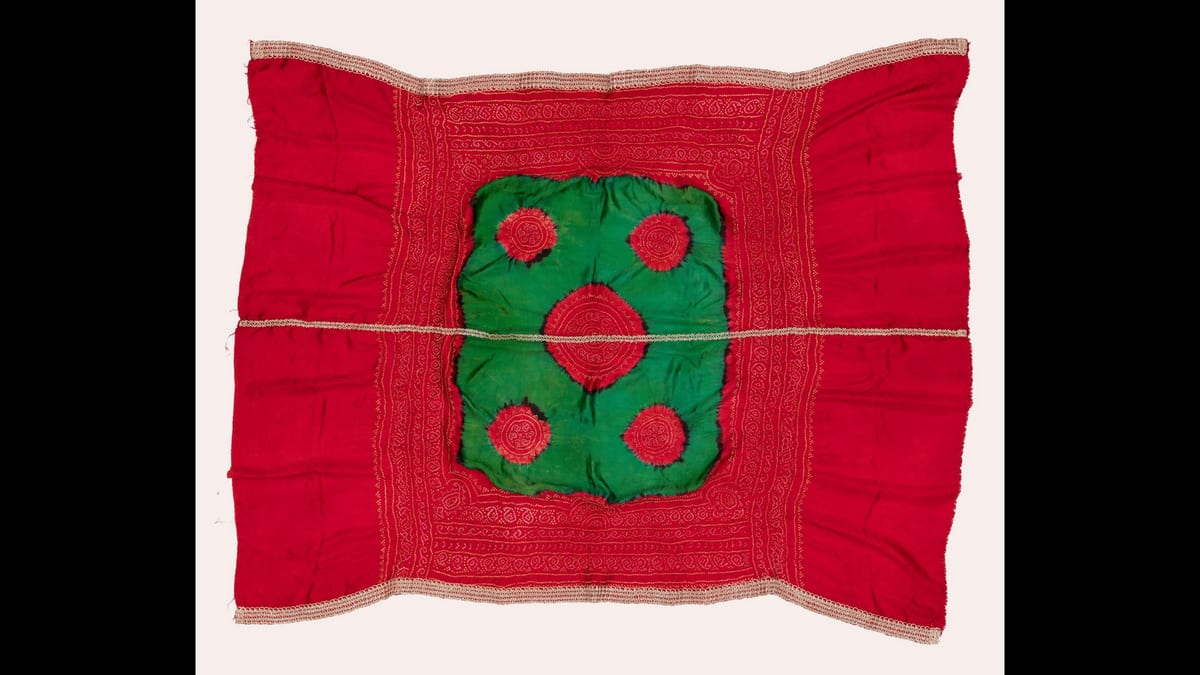
Ralph Lauren has had quite a run. Earlier this year, the brand drew criticism for showing jhumkas at its Fall 2026 Paris Fashion Week presentation with no mention of their Indian origin; it also proceeded to call them ‘vintage-style accessories’. Then came a skirt. The Polo line's "Bandhani-inspired" wrap skirt for Spring 2026 was criticised because it didn't mention the craft's traditional roots in India or the communities that keep it alive.
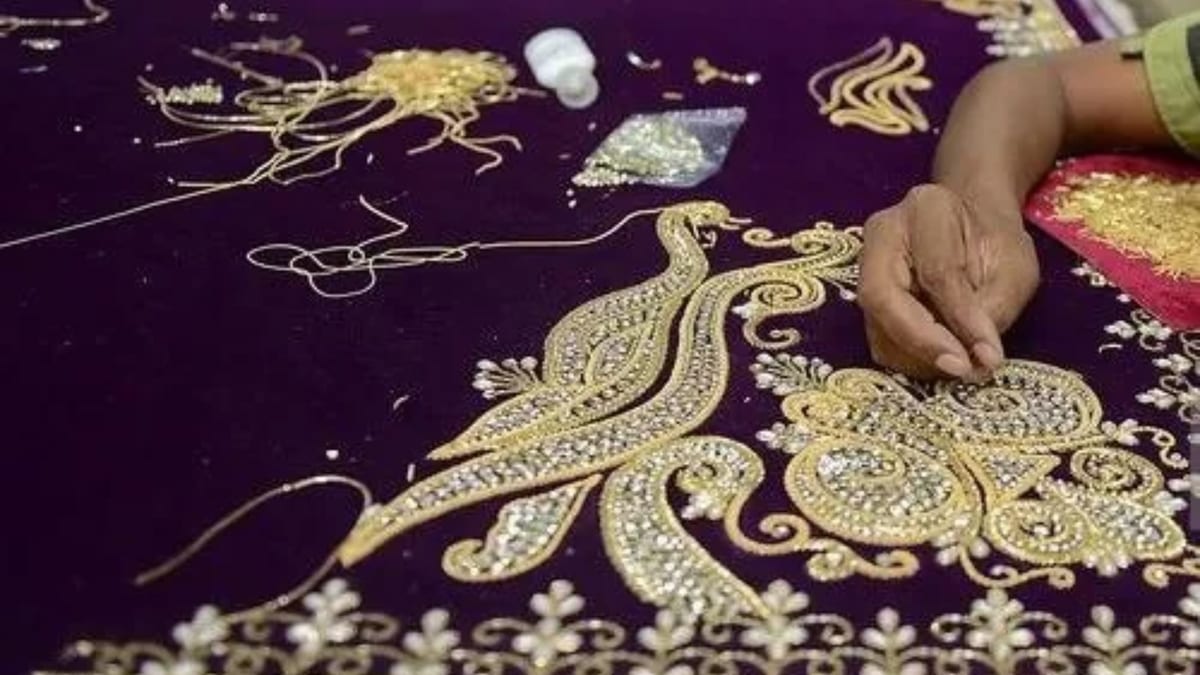
Critics also noted that the skirt appeared to be a print rather than the result of the traditional handmade tie-dye method. Then, in September, a deep pink evening gown with zardozi-style embroidery was shown without credit to Indian craftsmanship. One incident may be a slip-up, two maybe a coincidence, but three is a pattern. A pattern that is starting to look like a whole lot of a collection, and Indian social media is treating it like one. The comment sections did what comment sections do best, asking the brand, rather pointedly, to call Indian art - Indian.

"Inspired By" - The Favourite Loophole
"Inspired by" is a notable phrase. It sounds respectful and sounds like homage, all the while with no legal or moral commitment. You can borrow the motif, the technique and the aesthetic, but never, even once, saying the word “India” is where we should draw the boundary. It’s quite literally the fashion equivalent of "no offence, but." Nothing has been technically stolen, but the origin story quietly vanished somewhere between the Indian tailors and the high-end designers.
Then there's the price. The skirt was listed at Rs 44,800 while a metre of genuine Bandhani in Indian markets costs between Rs 200 and 500. Defenders will say luxury pricing reflects branding, design, commitment, loyalty and not fabric; that’s a fair point. But when the "inspired" product costs many times more than the original, and the original's makers get no name on the label, the math starts to look a little wobbly. In other words, the only thing truly handmade here is the confusion.
Prada Got Roasted
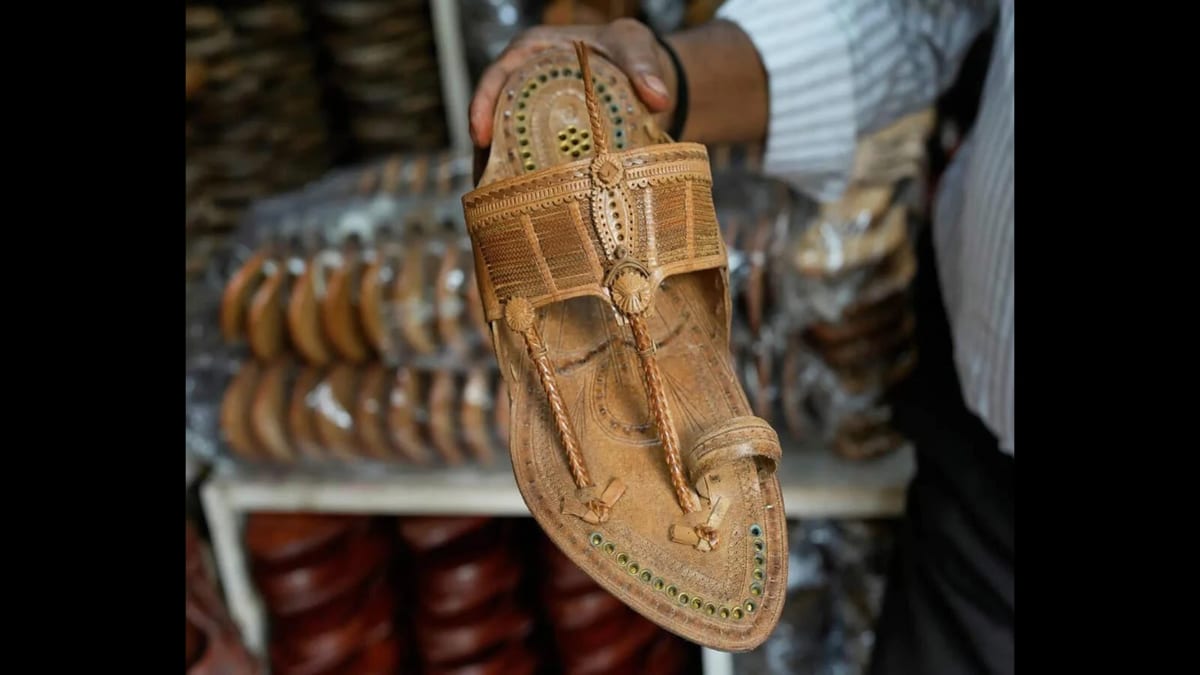
The highlight is that Ralph Lauren isn't a lone offender. In 2025, Prada showcased leather sandals that strongly resembled Kolhapuri chappals, without acknowledging its roots. Indian social media wasn't amused. The brand later acknowledged the inspiration and launched "Made in India" Kolhapuri-inspired sandals after the backlash. Desi pie, served at luxury prices. It's a rare reminder that a loud enough group chat can still shake a fashion house with years-old heritage.
That sequence is worth noticing, though. The outcry wasn't about whether Indian craft could inspire global fashion or not, nor was it about such fashion empires taking ‘inspiration’ from India. It was about being named or even mentioned. A brand that says "Kolhapuri" is saying "this came from somewhere, from someone." A brand that says "flat leather sandal" is saying "we thought of it." Those are very different sentences, with very different meanings and interpretations. Acknowledgement, as it turns out, is the one necessary accessory luxury houses always forget to pack.
Credit Is the New Couture
It's worth being fair here: not every Indian-inspired look is theft, and plenty of Indian designers want that kind of global reach. Many designers emphasise that the real question isn't whether foreign brands can use Indian craft or not; instead, it's why they are so reluctant to credit its recognisable origin. This is a more doable frame than "hands off our culture," because it leaves room for admiration and accountability to coexist. Plenty of the people complaining online are asking for exactly that: say it's Indian, and we'll happily applaud the collaboration.
Because here's the thing: crediting is cheap and easy. A line in the product description, a collaboration with a weaving cluster, or just a tag naming the craft and the region would be enough. The alternative is that artisans stay anonymous and unappreciated while a trend they unknowingly started gets a name and a price. Fashion says it loves heritage. Maybe it should start by spelling it correctly. The next time a brand discovers a centuries-old craft, the least it can do is introduce it properly.
Latest News
- ◆PM-KISAN’s 24th Instalment Sends ₹18,690 Crore to 9.34 Crore Farmers
- ◆Heavy Rain Brings Delhi Its Cleanest October Air Day in Four Years
- ◆Reliance Industries Posts Record Quarterly Profit of ₹29,550 Crore on Refining Strength
- ◆Jio Platforms Reports 13.7% Profit Growth in First Results After Listing
- ◆Brent Crude Settles at Six-Month High of $117.64 After Hormuz Tanker Attack