
Delhi Transport Unions Plan 'E-20' Protest March to Parliament
Transporters will march to Parliament on August 4, demanding that ethanol-blended E20 petrol remain optional rather than mandatory for consumers
Synopsis
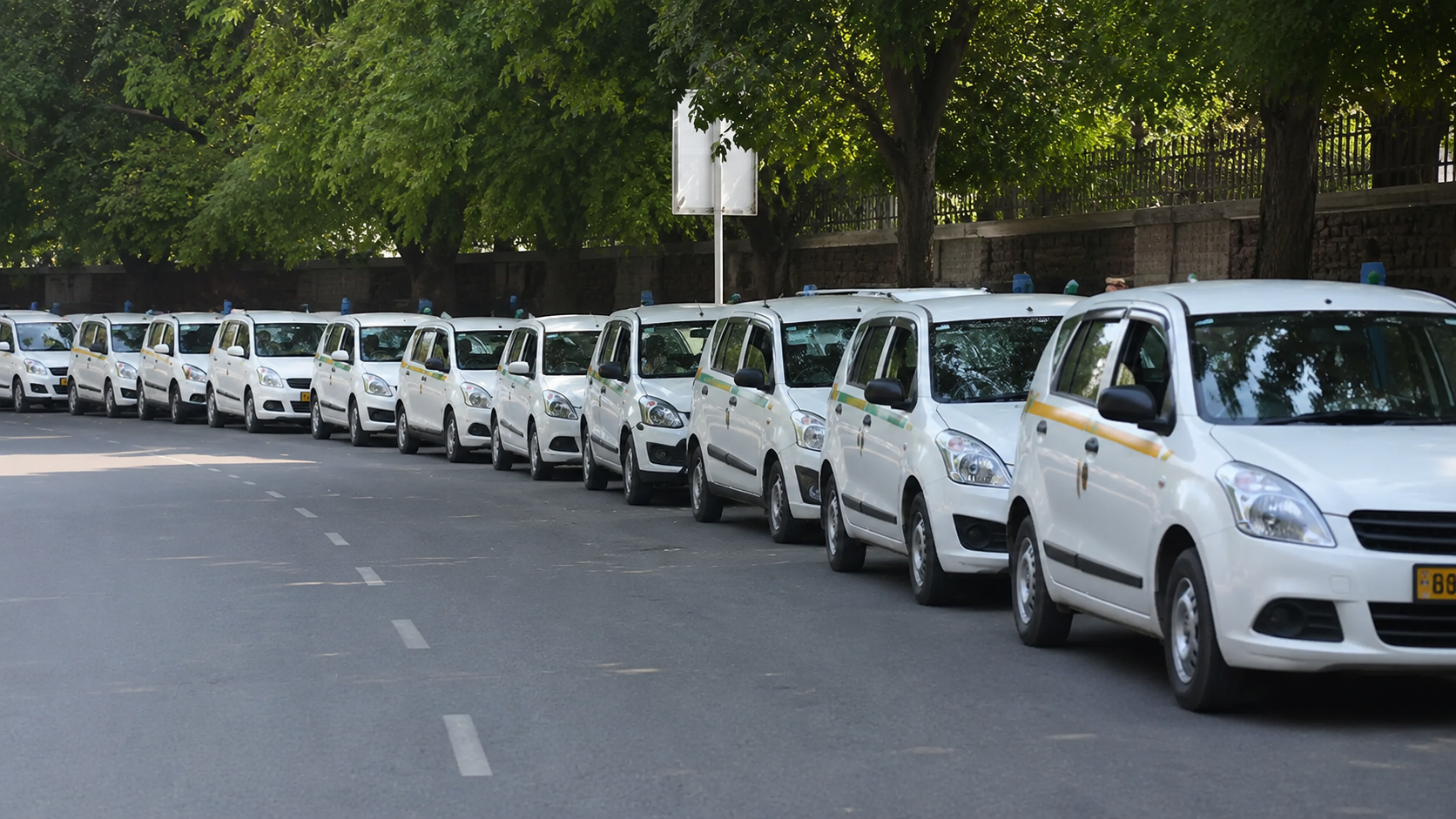
The Delhi transport associations have agreed to hold a protest march on August 4 before the Parliament against the government's proposal of introducing ethanol-blended E20 petrol as the standard fuel for all motor vehicles in the city. Union officials say the fuel is killing cars, and are pressing for conventional petrol to be available as an option.
The Announcement
The protest march has been announced by several Delhi-based transport associations to protest against the mandatory use of E20 petrol in the city and want the government to give them a choice to use either E20 petrol or regular petrol for their vehicle operations.
The Delhi Taxi and Tourist Transporters and Tour Operators Association has organised the protest, which its president, Sanjay Samrat, said will seek the attention of the Members of Parliament regarding the alleged damage of vehicles due to the fuel.
Industry Voices
The protest is against the government's decision to make fuel E20 as the only choice for consumers, as it is not necessary to push E20 fuel on commuters at the cost of not giving a choice, said Harish Sabharwal, the national president of the All India Motor Transport Congress.
He said no strike call has been issued by the association yet, they have only backed the march. Rajender Kapoor, president of the All India Motor & Goods Transport Association, said the fuel is impacting the performance of vehicles and suggested the government to make it optional.
The Delhi Taxi and Tourist Transporters and Tour Operators Association, along with other transport organisations, announced the protest march on X, saying that the purpose of the march is to bring to the notice of the Parliament the issues impacting the vehicles due to the E20 fuel.
Non-Political, Organisers Insist
Samrat explained that the protest was not political and had nothing to do with the “E-20 Janata Party” or “Cockroach Janta Party” or any other political party. The move follows an online campaign, called "E-20 Janata Party," similar to the CJP, which quickly gained traction on social media and a massive following of people within days.
The Government's Position
The government says E20 fuel is safe, eco-friendly and good for farmers and has said it has no plans at this time to raise the ethanol blending level above 20 per cent. The Centre's ethanol-blending programme has been pitched as a major move toward energy self-reliance and to cut down on dependence on crude-oil imports, as well as to cut emissions.
Why It Matters
The friction shows a familiar dynamic in India's transition to clean energy – policies developed at a macro level, with a focus on import substitution and support for industries like agriculture, can clash with costs at the consumer level, especially if there are remaining compatibility issues with existing vehicle stocks.
The future of ethanol-blending policy in 2027 will be influenced by the government's response—compensation, phased rollout or being steadfast.
Latest News
- ◆NSE's $2.3 Billion IPO Draws Over $10 Billion In Bids
- ◆India-New Zealand Free Trade Pact To Take Effect October 20
- ◆Tata Group Governance Feud Deepens Over Chandrasekaran's Term
- ◆India Reaffirms Push For Constructive Ties With Bangladesh
- ◆Teen Gang-Raped Near Delhi Temple, One Suspect Held In Encounter