
Half of India's Health Bill Is Paid at Home
Out-of-pocket spending still funds nearly half of India's healthcare, pushing millions toward poverty each year despite expanding insurance schemes
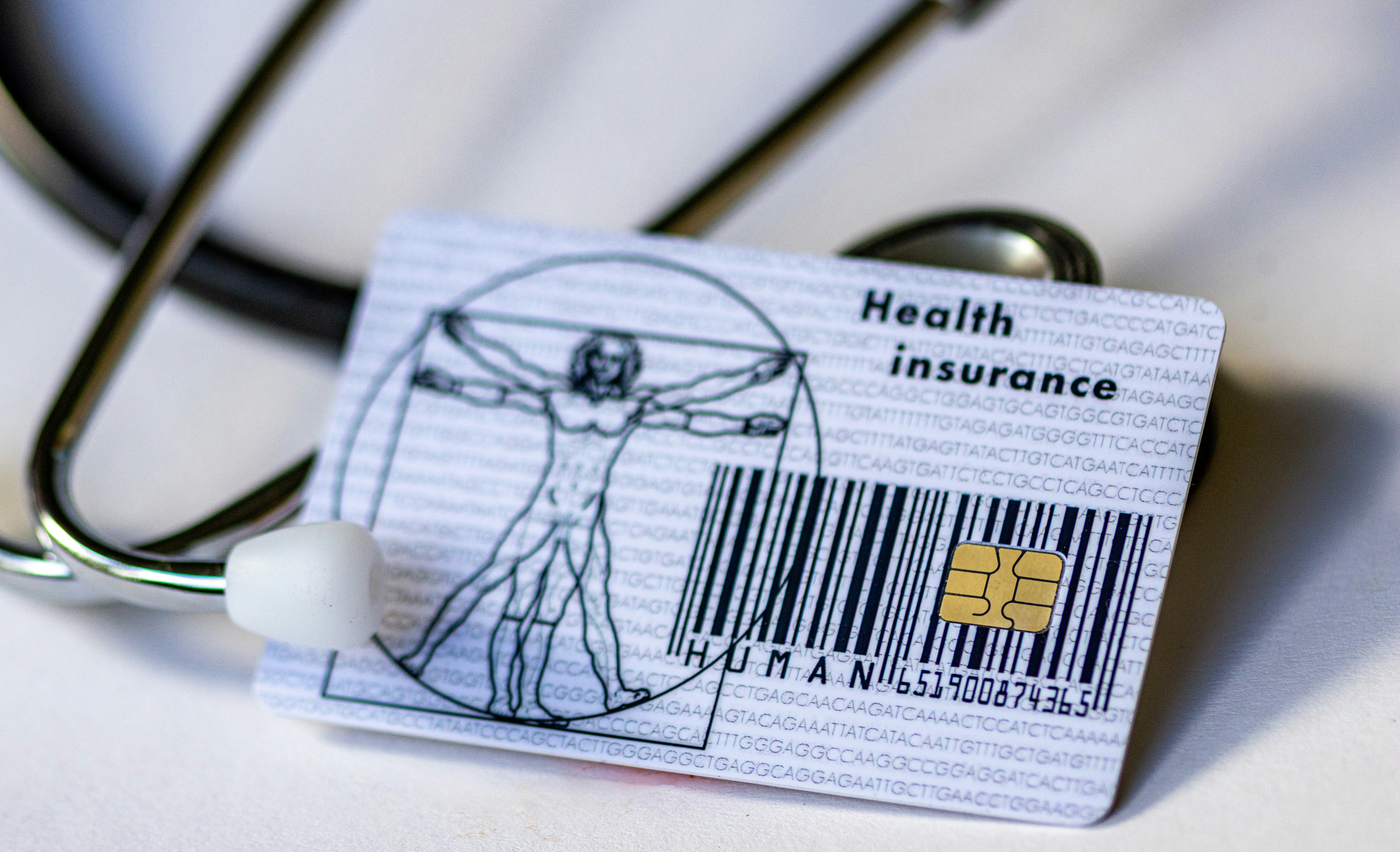
When considering the difference between public hospitals and private hospitals in India, there is more to consider than just the quality of care. The main concern for most homes is actually the amount of money they could afford to pay immediately (out of pocket) when they become ill.
The weight of Direct Payment
Despite the reduction, India's financial risk protection in the OOP category from 62.6 per cent of overall health spending in 2014-15, it still maintained a relatively high share of health spending in the country, 43 to 48 per cent, in the latest National Health Accounts estimates, which is higher than the financial risk protection level recommended by health economists.
The average spending on healthcare for nearly 90 million Indians is now at the "catastrophic" level, in this case, spending more than 10 per cent of household consumption.
A burden that is hardest on the poor
Poorer households spend a larger relative proportion of income on health, even though this is a smaller proportion of their income. The poorest rural quintile expended 23.4 per cent of their consumption expenditure on health while the richest rural quintile spent 17.4 per cent of their consumption expenditure on health, according to the National Sample Survey.
It is estimated that every year 32 to 39 million Indians fall into poverty due to out-of-pocket payments for health care services, an occurrence health economists call medical impoverishment.
A share of the property sale proceeds
Now, almost 31 per cent of India's total health expenditure is on private general hospitals, while another 21 per cent is on retail pharmacies, researchers say, emphasizing the ongoing need for "pricing control, medicine affordability, and healthcare market oversight.
The significant difference between this and the government hospitals is that the government hospitals, though treating a large proportion of India's population, have a much lower share of the overall expenditure, owing to lower treatment cost in government hospitals and because of continued inadequacy in capacity which forces many patients regardless of their ability to pay to seek treatment at the higher priced private hospitals.
Insurance as a partial buffer
Research published in a peer-reviewed public health journal shows that having health insurance significantly lowers the likelihood of a household falling into poverty because of medical expenses, although in some states there were mixed findings: in some states, insured households reported higher out-of-pocket costs, possibly because they were more likely to seek treatment that was costlier than their uninsured counterparts.
The government-backed Ayushman Bharat schemes are still the biggest tools at the disposal of policy makers for reducing the inequality gap between public and private health systems in India, which, so far, dictates the path a sick Indian family takes to the door.
Latest News
- ◆Case Filed Against CJP Supporters over Unauthorised Shivaji Park Gathering
- ◆Israeli Strike on Gaza City Apartment Block Kills Five, Officials Say
- ◆India's Forex Reserves Fall $18.3 Billion in Record Weekly Drop
- ◆Kharge Urges Modi to Release ₹3,705 Crore Drought Aid for Karnataka
- ◆Voter-Roll Protests: Delhi Police Detain Hundreds, Register Three FIRs