
India Marks 80th Independence Day at the Red Fort
PM Modi’s Independence Day speech: Key Takeaways
Synopsis
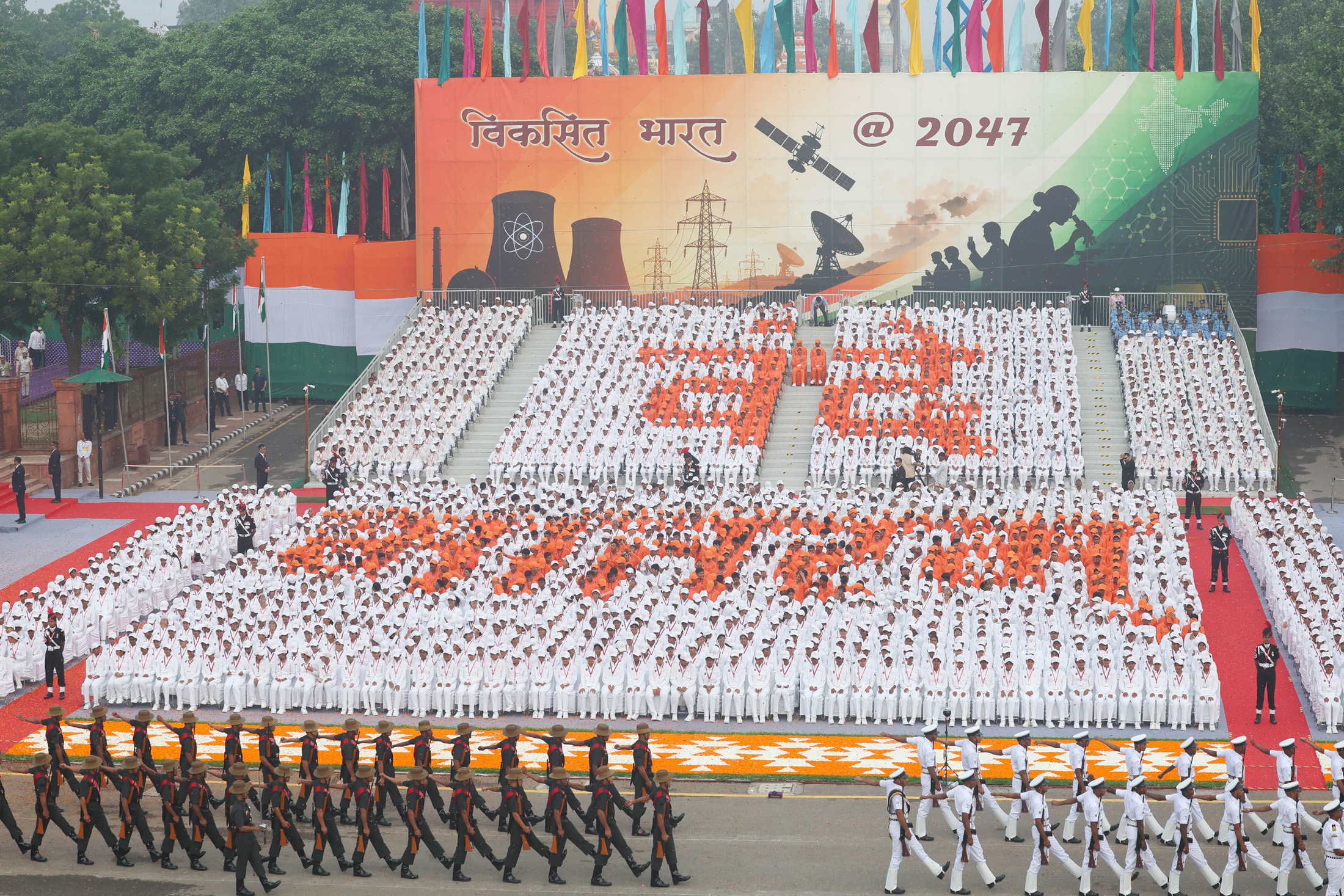
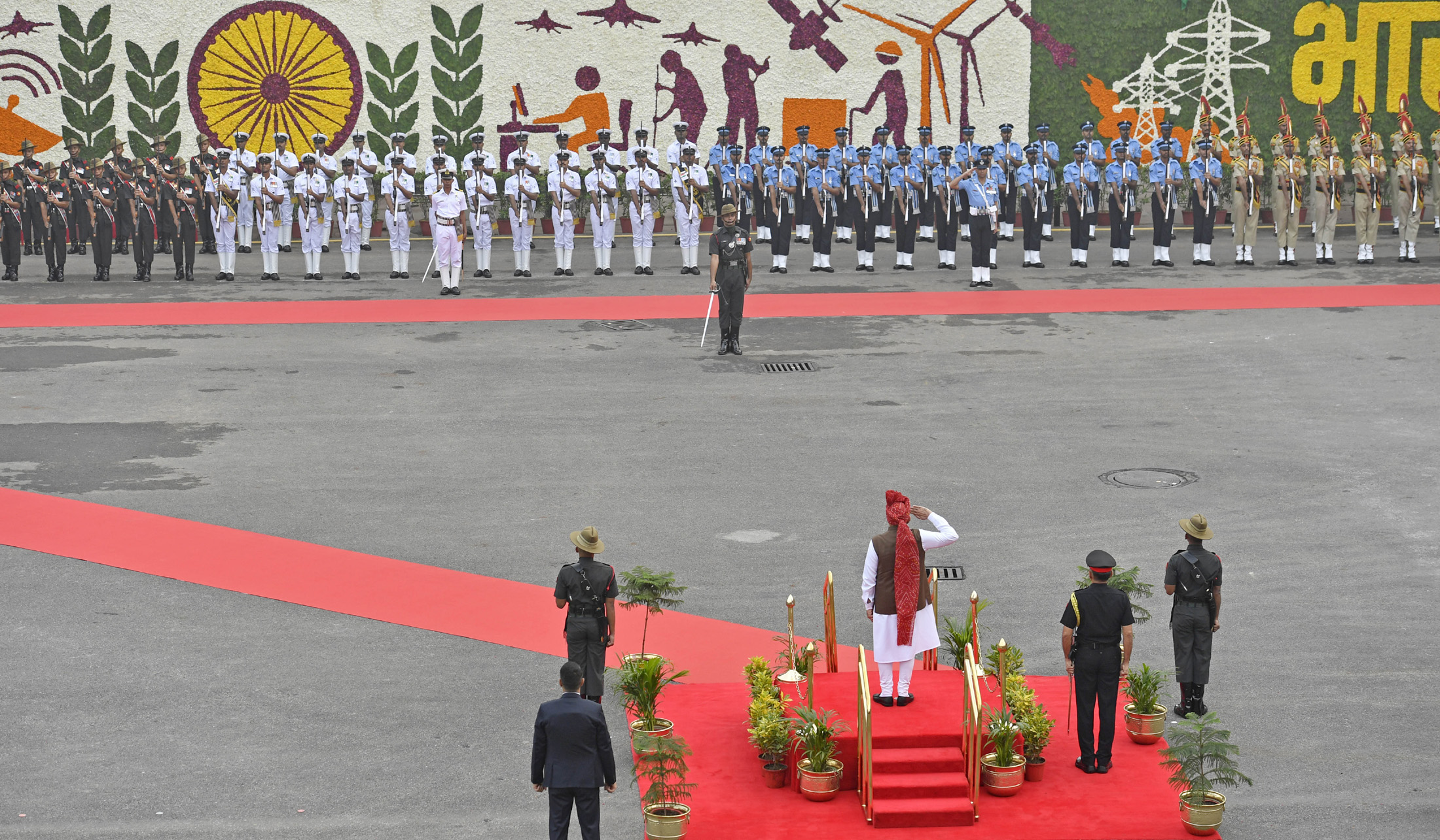
On August 15, 2026, India celebrates its 80th Independence Day. Vande Mataram echoed on the streets of the Red Fort for the first time. Prime Minister Narendra Modi hoisted the Tricolour National Flag before addressing the audience from the podium at the Red Fort. ‘Har Ghar Tiranga, Har Man Tiranga’.
10,000 Attend Independence Day Celebration
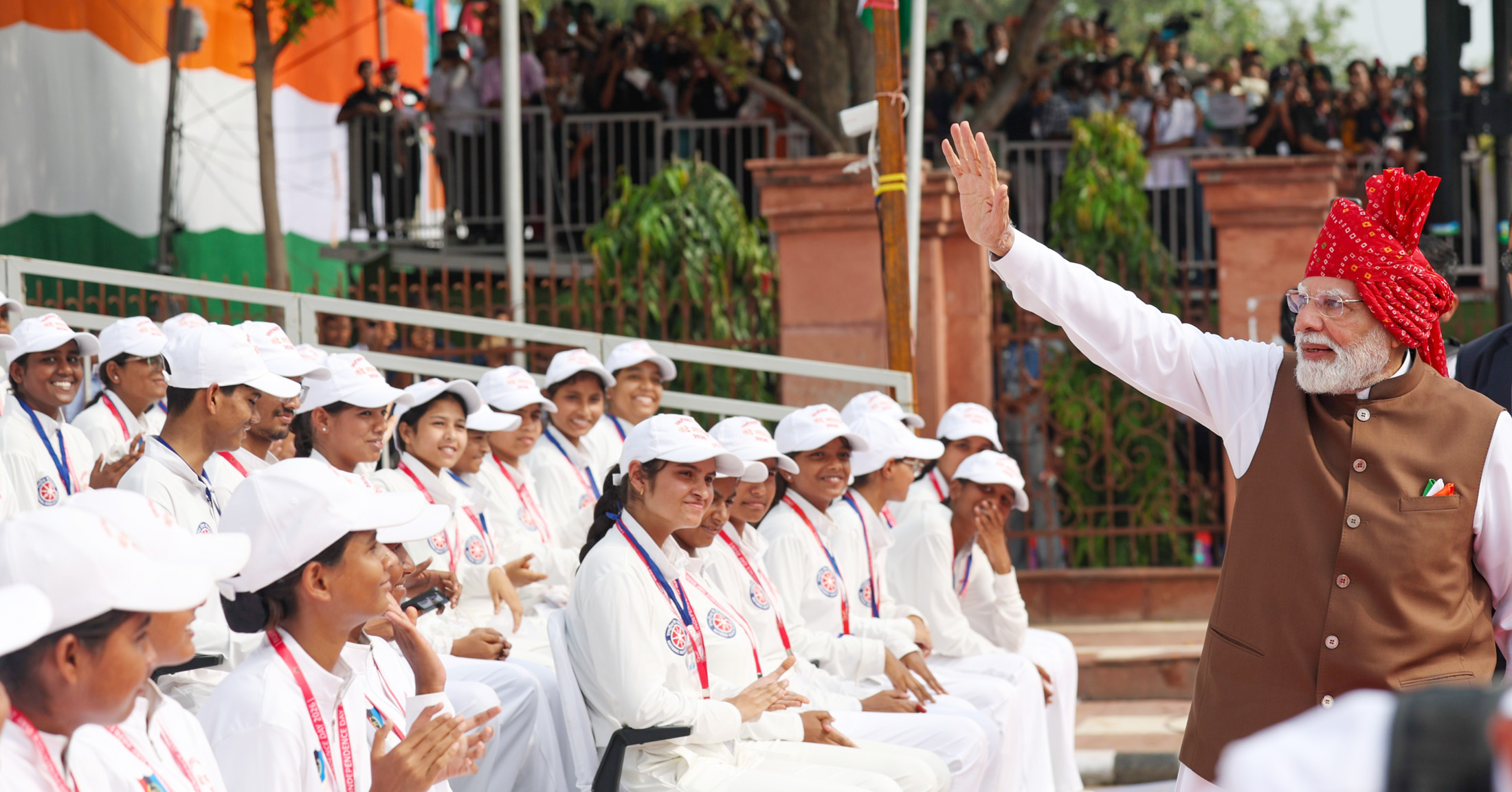
The official invitee count included approximately 5,000 special guests from diverse grassroots and professional backgrounds, alongside 2,500 NCC cadets and MY Bharat volunteers, and thousands of schoolchildren. Independence Day celebration was attended by approximately 9,000 to 10,000 designated participants and guests.
PM Modi Pays Tribute to Freedom Fighters
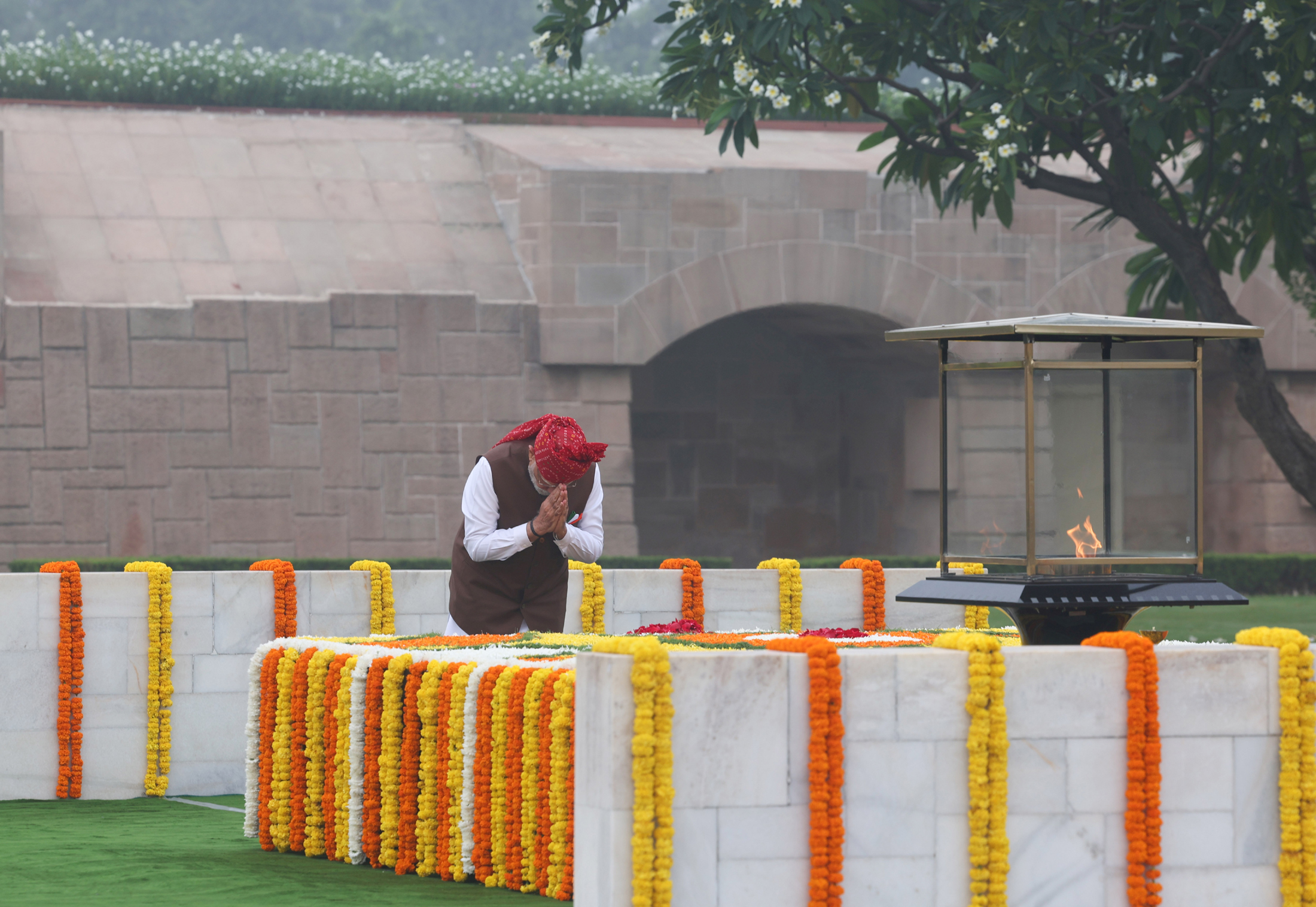
PM Modi paid tribute to the countless freedom fighters whose courage, sacrifices and steadfast dedication helped bring an end to nearly 200 years of colonial rule. PM Modi, “Today, we remember those great sons who made the ultimate sacrifice for the freedom of the country. With their sacrifice and dedication, with the sole aim of freedom, they spent their entire lives in service of the nation. Today, I respectfully salute all the freedom fighters, including the revered Bapu, and the great revolutionaries who awakened the great tradition of sacrifice.”
PM Modi Outlines Roadmap for Viksit Bharat 2047
PM Modi outlined key initiatives to achieve Viksit Bharat by the 100th Independence Day in 2047. He highlighted the progress made by several sectors such as manufacturing, energy security, youth empowerment, innovation, social security and others.
Manufacturing and Self-Reliance
India has made significant progress in manufacturing and self-reliance, with defence production increasing nearly fourfold and Khadi and Village Industries production rising fivefold. Electronics manufacturing has grown sevenfold, while modern railway coach production has increased 21-fold. Mobile phone production has recorded the highest growth, rising 35 times compared with previous records.
Digital India and Innovation
Recognisable growth in the building of Digital India and innovation has increased the number of Internet consumers fourfold. Digital transactions have increased around 100 times.
Expansion of Basic Facilities
Progress of Basic facilities: tap-water connections have been provided at an average annual pace nearly 15 times faster. Liquefied Petroleum Gas (LPG) connections have been provided at an annual pace nearly 6 times faster. Community Toilets have been constructed at an annual pace nearly 4 times faster.
Building the Semiconductor Ecosystem
Earlier, India had no major semiconductor manufacturing plant. Three semiconductor plants have been initiated in Dholera (Gujarat), Sanand (Gujarat), and Morigaon (Assam).
Securing Critical Minerals
Highlighting the importance of critical minerals for emerging technologies, PM Modi referred to the steps being taken to strengthen India’s capabilities in this sector: the National Critical Mineral Mission has been launched, critical Mineral Corridor has been announced in the Budget of ₹ 34,300 cr. Agreements have been signed with several countries for critical mineral supplies.
Strengthening Energy Security
As an essential condition for building a developed India, particularly as technologies such as chips, AI, and data centres require huge quantities of electricity. Underlining the role of nuclear energy, the SHANTI Act is a major reform in the nuclear energy sector. India is crossing an important milestone in Fast Breeder Nuclear Technology.
Expanding Oil and Gas Exploration:
Nearly 99% of India’s offshore area was earlier classified as a No-Go Area and has now been changed to a Go-Ahead Area. Previously restricted areas have been opened for exploration. This has created possibilities for discovering new oil and gas reserves.
Oil and Gas Exlporation
PM Modi highlighted the rapid expansion in different sources of energy. In 2014 Available in fewer than 70 cities and today it is available in around 700 cities. Piped Cooking Gas: in 2014 around 20–22 lakh households, and today nearly 1.75 cr households. Solar energy: in 2014, it was around 2 GW, and today it is around 160 GW.
PM Surya Ghar Muft Bijli Yojana
The scheme has crossed 50 lakh households. Lakhs of families are benefiting from lower or zero electricity bills. Families can also sell surplus electricity and earn. Assistance of up to around ₹80,000 per household is available.
Transforming Indian Railways
PM Modi highlighted the transformation of Indian Railways in 2014, after nearly 90 years, only around 30% of the railway network had been electrified. Today, Indian Railways has moved towards near-complete electrification. India has started work on its first Made-in-India hydrogen train, “NaMo Green Rail.” It was flagged off on July 17, 2026 on the Jind–Sonipat section in Haryana.
Affordable Fertiliser for Farmers
Urea fertiliser around ₹3,000 per bag internationally; Indian farmers get it for less than ₹300. Diammonium Phosphate) fertiliser (DAP): More than ₹5,000 internationally; Indian farmers get it for ₹1,350.
Opening Global Markets for Indian Producers
PM Modi highlighted the new opportunities being created for Indian producers and exporters: Since 2014, India has entered into Free Trade Agreements (FTAs) with around 40 countries. New opportunities have opened for agriculture, fisheries, Micro, Small and Medium Enterprises (MSMEs), textiles and other export sectors.
Youth at the Centre of Viksit Bharat
India’s youth have a major role in building Viksit Bharat and highlighted the new pathways opened up for them: Startup India, New avenues for innovation and entrepreneurship. New opportunities for young researchers,₹1 lakh cr Research Fund, Digital India, Skill India, Space Sector, National Drone Policy, Khelo India.
PM Modi highlighted the expansion of educational and innovation opportunities, National Education Policy 2020, introduced after a gap of 35 years. Fewer than 350 universities during 2004–2014; around 650 new universities added in the following decade, Medical Colleges: Fewer than 400 before 2014; around 850 today. More than 10,000 Atal Tinkering Labs have been established in schools.
PM Modi highlighted India’s growing startup and innovation ecosystem, An Indian space startup, Skyroot Aerospace, has launched a Made-in-India rocket. India now has around 2.5 lakh registered startups; moreover, AI is creating new opportunities for young Indians.
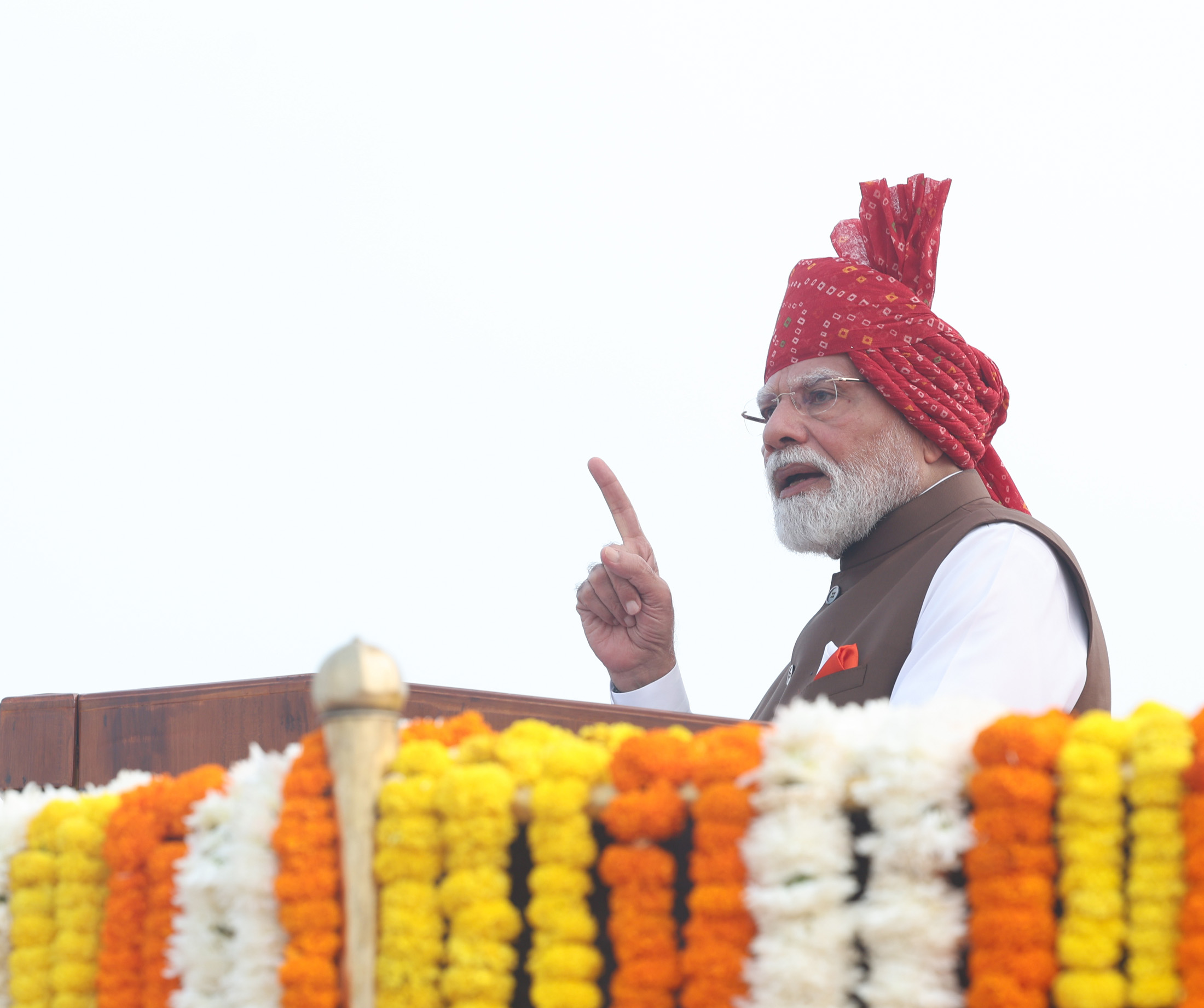
Key Highlights of PM Modi’s Speech
1. Aatmanirbhar Bharat: Self-reliance will remain a priority; a strong push for Make in India, Swadeshi, and Vocal for Local is necessary. It needs to be ensured that Indian products compete successfully in global markets.
2. India must own the entire value chain. It will be from design and components to finished products. The focus should be on reliability, precision and quality as its global identity.
3. Farmers must move beyond production to food processing and exports. The greater emphasis should be on chemical-free farming and meeting global standards.
4. AI, quantum technology, robotics, space, data centres, semiconductors and next-generation communications will be a major pillar of India’s growth story.
5. India is building a domestic semiconductor ecosystem. Three plants have already been initiated.
6. India is targeting 100 GW of nuclear power capacity by 2047. Similarly, focus is on rapidly expanding solar, renewable energy, green hydrogen, energy storage and green mobility.
7. Seamless connectivity across the country will be strengthened. This will be possible through high-speed rail and modern highways. Airports, inland waterways and multimodal logistics will also be under focus.
8. India has a clear-cut goal to become a global defence supplier. For this to be a reality, focus is on developing advanced capabilities in drones, counter-drone systems, hypersonic technologies and cybersecurity.
9. Push towards cleaner and more advanced transport is underlined by near-total railway electrification, modern coaches and the development of hydrogen-powered trains.
10. There is no doubt that UPI and Digital Public Infrastructure have underlined India’s capabilities. To take Indian digital public technologies and Made-in-India 6G to the world is the next goal.
11. Young Indians are being positioned at the centre of entrepreneurship, research and innovation. More than 2.5 lakh registered start-ups and Rs 1 lakh crore Innovation Fund are a clear signal for that.
12. The government plans to train 1cr young people in AI skills over the next year.
13. The goal of 6cr ‘Lakhpati Didis’, expanded healthcare and social-security coverage, and the call for 33% representation for women in legislatures underline the focus on inclusive development.
14. From yoga, Ayurveda, culture and textiles to tourism, sports, films, VFX, animation and gaming, India will leverage its soft power to strengthen its global presence.
India’s 80th Independence Day celebrations reaffirmed India’s vision of building a developed, self-reliant and future-ready nation.