
India's Cities Grow Faster Than Their Housing
Roughly 41% of India's urban population still lives in slums, as rural migration continues to outpace the supply of affordable formal housing
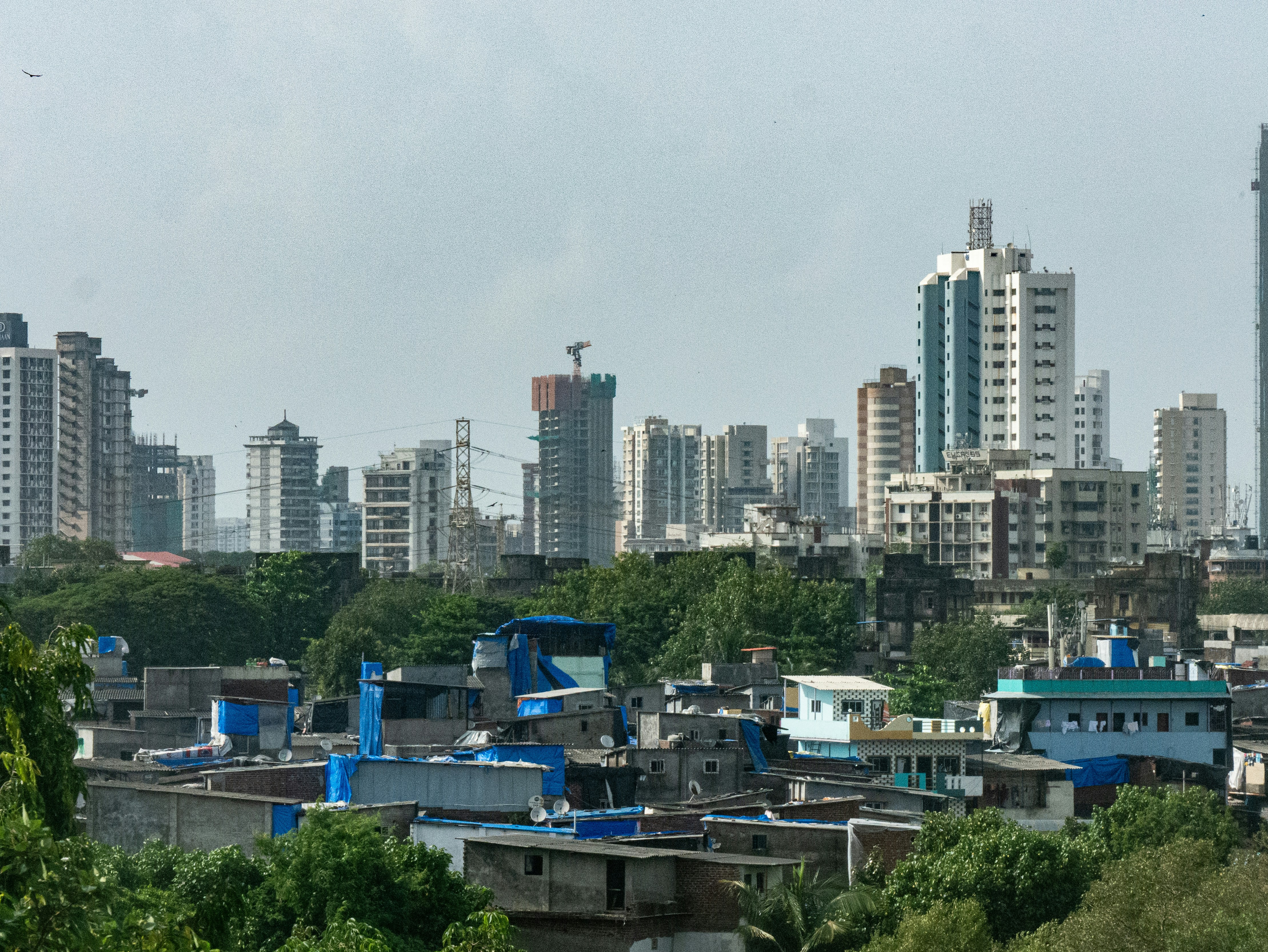
India's cities have always offered opportunity to people who live in the villages. For many of the guests that arrive, it has come down to a lot more than a home.
The Scale of the Shift
About 65.5 million people (or 17.4 per cent of the urban population) live in slums in India's 2,613 towns and cities, an increase of more than 25 per cent since 2001, according to Census 2011.
More recent estimates, based on data from Pradhan Mantri Awas Yojana-Urban and figures from the World Bank, suggest that there will be about 14.2 million slum households across the country by 2025, with Maharashtra, Andhra Pradesh, Uttar Pradesh and West Bengal having the highest shares of slum households. According to a separate estimate by the World Bank, more than 41 per cent of India's urban population was residing in slums in 2022.
Why do migrants end up there?
The researchers from Mahila Housing Trust reveal three factors which are interlinked: a continuous increase in population moving from rural areas to urban areas, the lack of affordable formal housing, and also the lack of adequate city planning that does not account for in-leaks of population.
Access to land in most major cities in India is too out of reach for the working class families of migrant communities, and informal settlements are in practice the only viable housing alternative. In Mumbai, over half of the city's population dwell in slum settlements, with many of these areas being intentionally developed close to commercial areas as many residents are unable to afford to reside further away from their workplaces.
Deprivation Beyond Income
The situation of these settlements' residents' material conditions is bleak, according to census data, with 34 per cent of slum households indicating that they did not have a latrine on their premises and 43 per cent did not have a drinking water source within the dwelling, as of 2011 and the data is still extensively referenced despite its lack of recent, comprehensive information.
The disadvantaged castes and religious groups are further disadvantaged, with Scheduled Caste, Scheduled Tribe and Muslim community members making up a disproportionate share of slum dwellers, and one academic study describing a "twofold marginalisation" for minority groups in Mumbai, who are not just disempowered by economic disadvantage, but social prejudice as well.
When the problem exceeds the solutions
Growth in slums is likely to accelerate as the proportion of the urban population increases, from 28 per cent to 50 per cent in the next few decades, unless the supply of houses and basic services catches up, government committee assessments have long said.
That the "denial of basic shelter, services and security" will continue to "crippling the productive capacities of a growing number of people" if this course of action is not "consciously taken note of, and corrective action taken early", was observed by a committee report on slum statistics clearly.
Latest News
- ◆Case Filed Against CJP Supporters over Unauthorised Shivaji Park Gathering
- ◆Israeli Strike on Gaza City Apartment Block Kills Five, Officials Say
- ◆India's Forex Reserves Fall $18.3 Billion in Record Weekly Drop
- ◆Kharge Urges Modi to Release ₹3,705 Crore Drought Aid for Karnataka
- ◆Voter-Roll Protests: Delhi Police Detain Hundreds, Register Three FIRs