
Indonesian Wildfires Spread at Mount Bromo
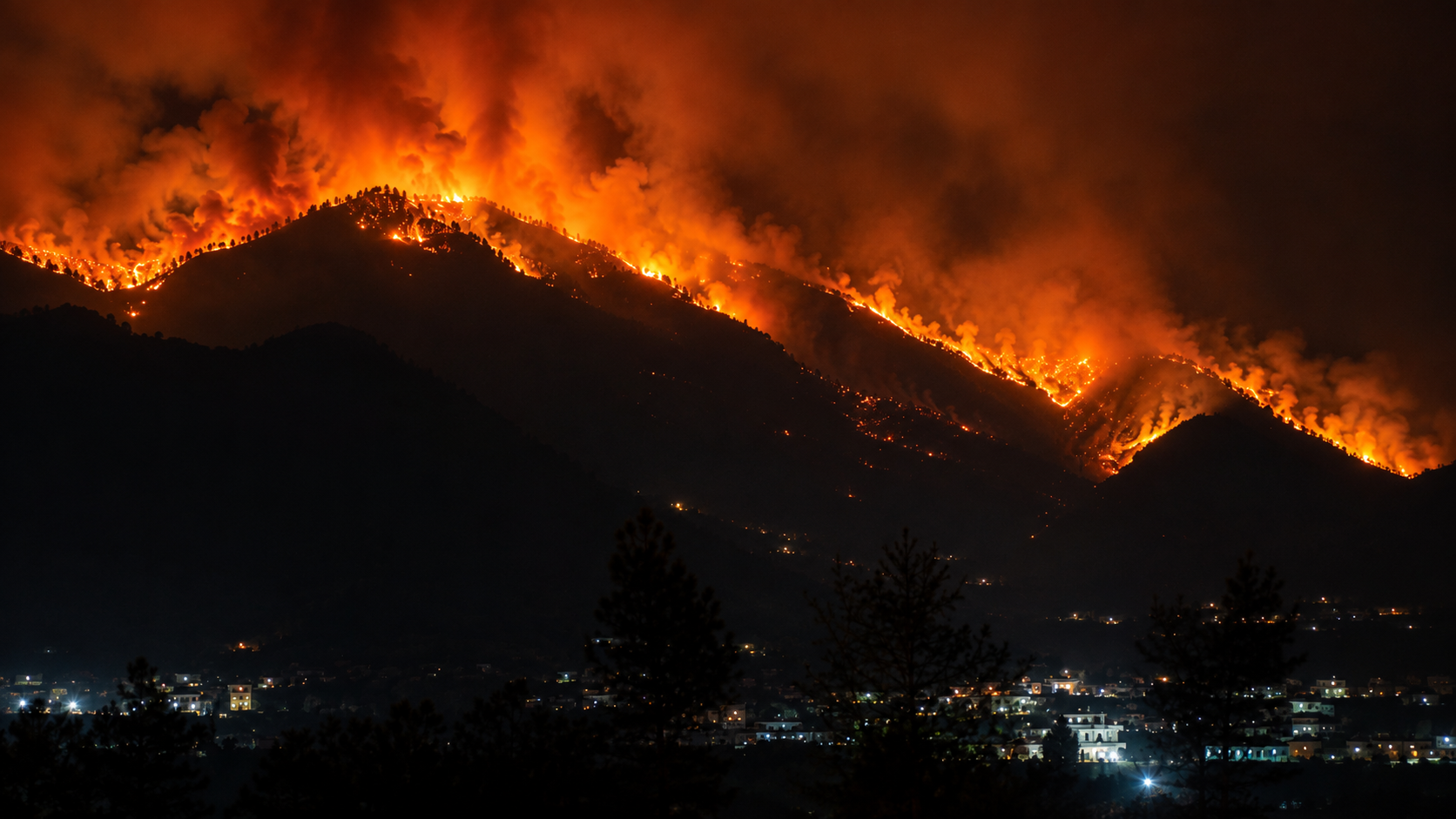
The fire has burned an area of around 434.91 acres at Mount Bromo, East Java, Indonesia.
Synopsis
Indonesia has witnessed an unusually dry season, due to which a catastrophic wildfire has raged. It is advancing rapidly across the entire Mount Bromo, East Java, Indonesia which has been closed until the fire can be tamed. Authorities have further warned about a drought, strong winds, and El Niño.
The On-going Condition
On Sunday, August 9, 2026, hundreds of firefighters have been deployed to the Mount Bromo national park in order to try and contain the fire that has been spreading across the national park.
The largest fire reported this week has burned about 176 hectares (435 acres) of Mount Bromo, located within the Bromo Tengger Semeru National Park in East Java province, one of Indonesia’s best-known tourist destinations.
The park has been closed since Saturday, August 8, 2026, and the park chief, Rudijanta Tjahja Nugraha, said the shutdown would remain in effect until further notice.
The Combat Against the Raging Fire
Hundreds of firefighters, disaster management personnel, police, soldiers, park rangers, and volunteers have been deployed to the disastrous scene to contain the fire. Helicopters and drones have also been used to combat the blaze while firebreaks have been built to prevent the fire from spreading further.
The Bromo fires broke out amidst several fires that have been raging all over Indonesia due to the extremely dry season.
The Spread of the Fire
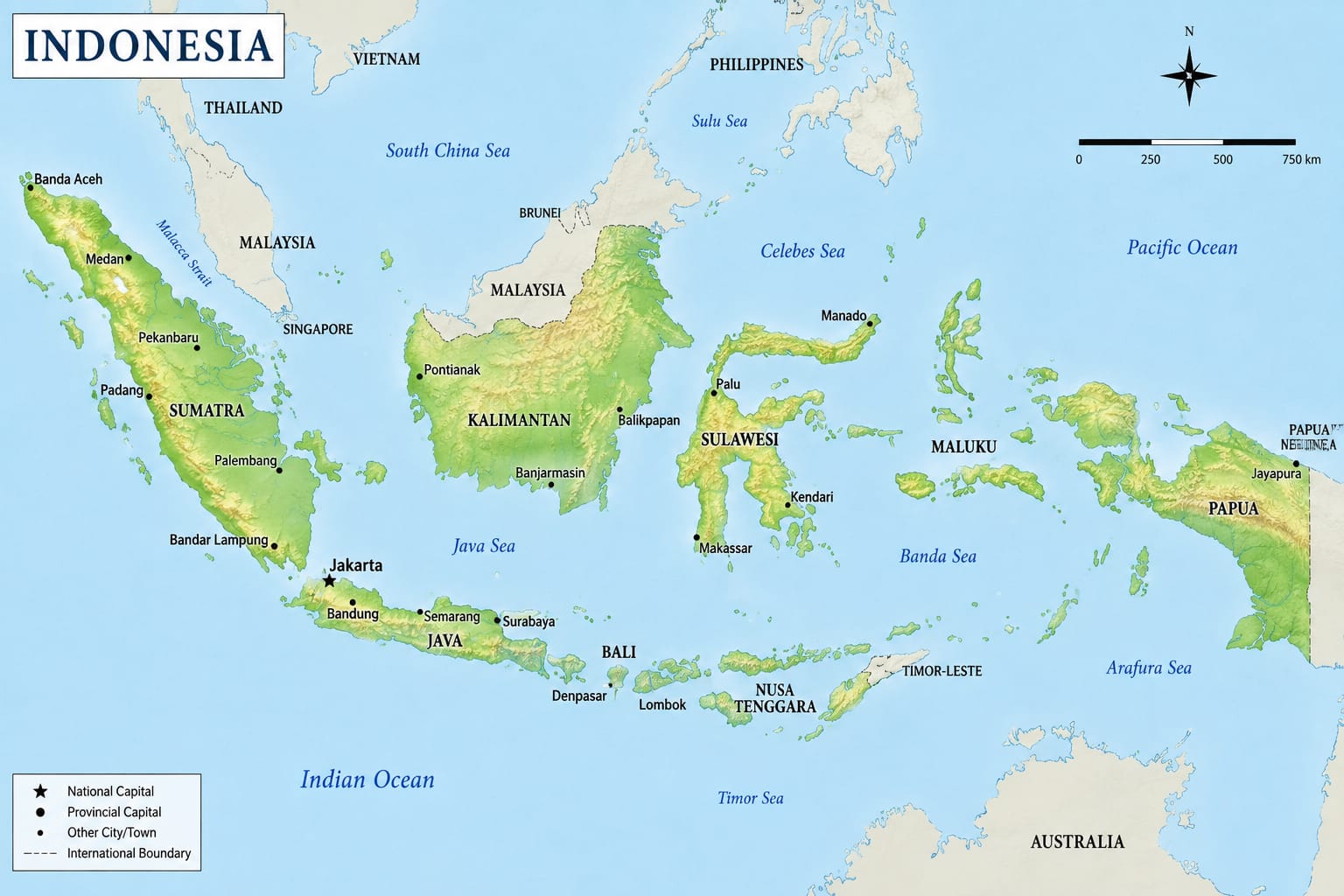
On Friday, August 7, 2026, authorities informed that a forest fire broke out in a forest and a land fire broke out in Central Java’s Banyumas Regency. The fire was initially started for forest clearance; however, it soon got out of control and spread rapidly, further fuelled by the extremely dry conditions.
In West Java, a fire broke out this week in the Suryakencana Meadow area of Mount Gede Pangrango National Park, a popular hiking destination. The authorities were compelled to shut down the hiking trails temporarily to Mount Gede and Mount Pangrango.
The Cause of the Fire
Strong winds and extremely dry vegetation, combined with the El Niño (a climate pattern characterized by above-average sea surface temperatures in the central and eastern tropical Pacific Ocean) weather pattern and seasonal dry winds from Australia, have accelerated the risk of fires across parts of the country, said Indonesia’s Meteorological, Climatological and Geophysical Agency. Forest fires are also often started illegally by farmers to clear the land for farming and planting.
Latest News
- ◆NSE's $2.3 Billion IPO Draws Over $10 Billion In Bids
- ◆India-New Zealand Free Trade Pact To Take Effect October 20
- ◆Tata Group Governance Feud Deepens Over Chandrasekaran's Term
- ◆India Reaffirms Push For Constructive Ties With Bangladesh
- ◆Teen Gang-Raped Near Delhi Temple, One Suspect Held In Encounter