
ISRO Faces Largest Workforce Gap in 25 Years
Can ISRO Meet Its Space Goals Amid a Talent Drain as Gaganyaan Nears?
Synopsis
ISRO is confronting its biggest workforce gap in at least 25 years, with over 5,600 vacant posts as India prepares for the Gaganyaan Human Spaceflight mission. Amid rising resignations, a major recruitment drive and a stricter resignation policy.
Why is ISRO Recruiting?
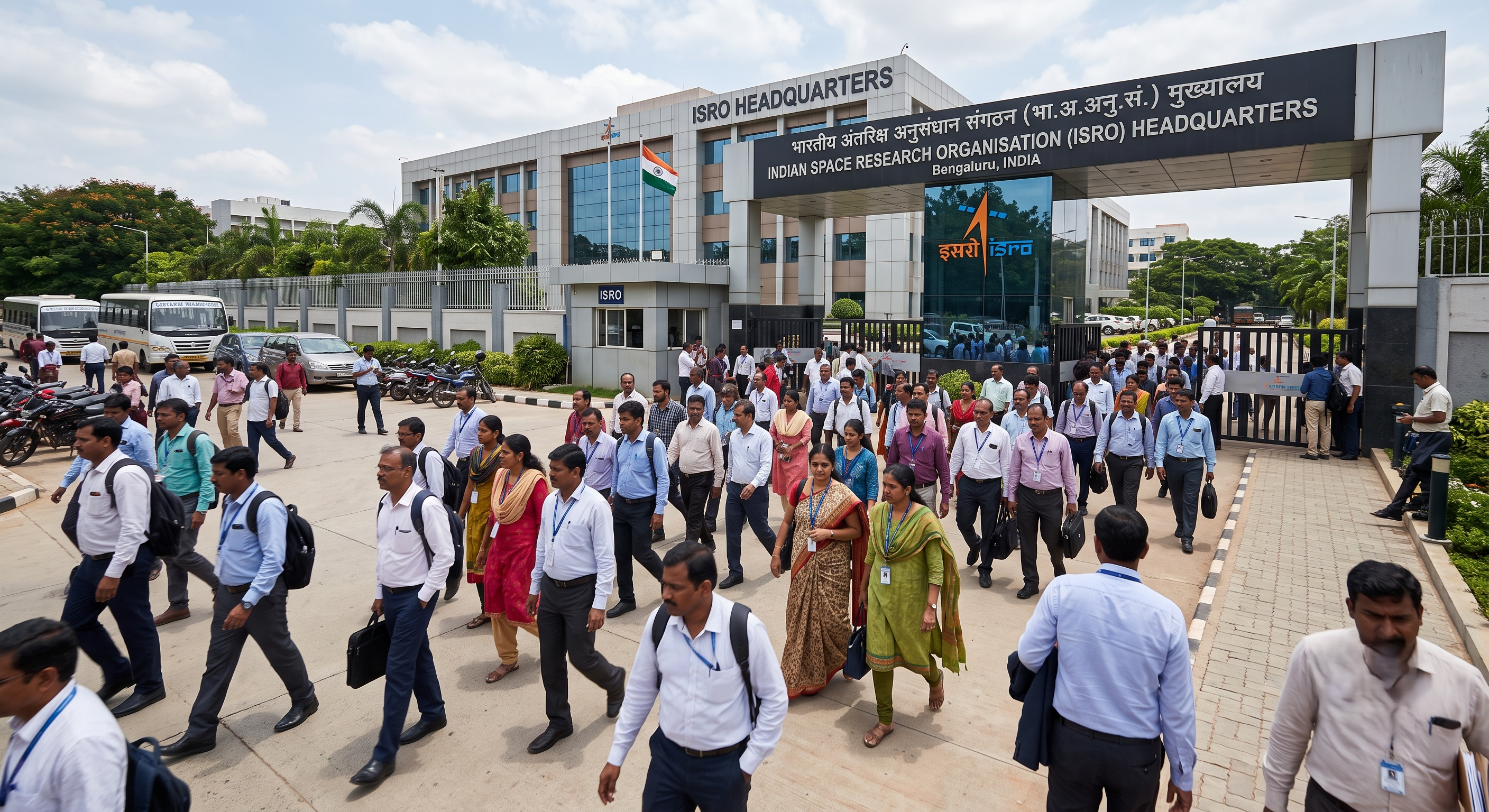
Indian Space Research Organisation (ISRO) and the Department of Space (DoS) have announced a recruitment drive with 746 vacancies. The hiring includes 336 regular posts for scientists, engineers and administrative staff, along with 410 apprenticeship positions for the 2026–27 training year.
Marking the widest staffing gap in at least 25 years. Of the department's sanctioned strength of 20,269 posts, only 14,637 are currently filled, leaving 5,632 vacancies and an overall staffing level of 72.2%.
Scientific and technical personnel make up roughly three-fourths of the department's workforce, meaning the vacancies disproportionately affect engineers, scientists and technical specialists responsible for developing satellites, launch vehicles and deep-space missions.
What is ISRO Doing?
The recruitment aims to address staffing shortages while strengthening the organisation's future talent pipeline. Selected candidates will be posted across several key ISRO centres in Thiruvananthapuram, Sriharikota or Bengaluru, India.
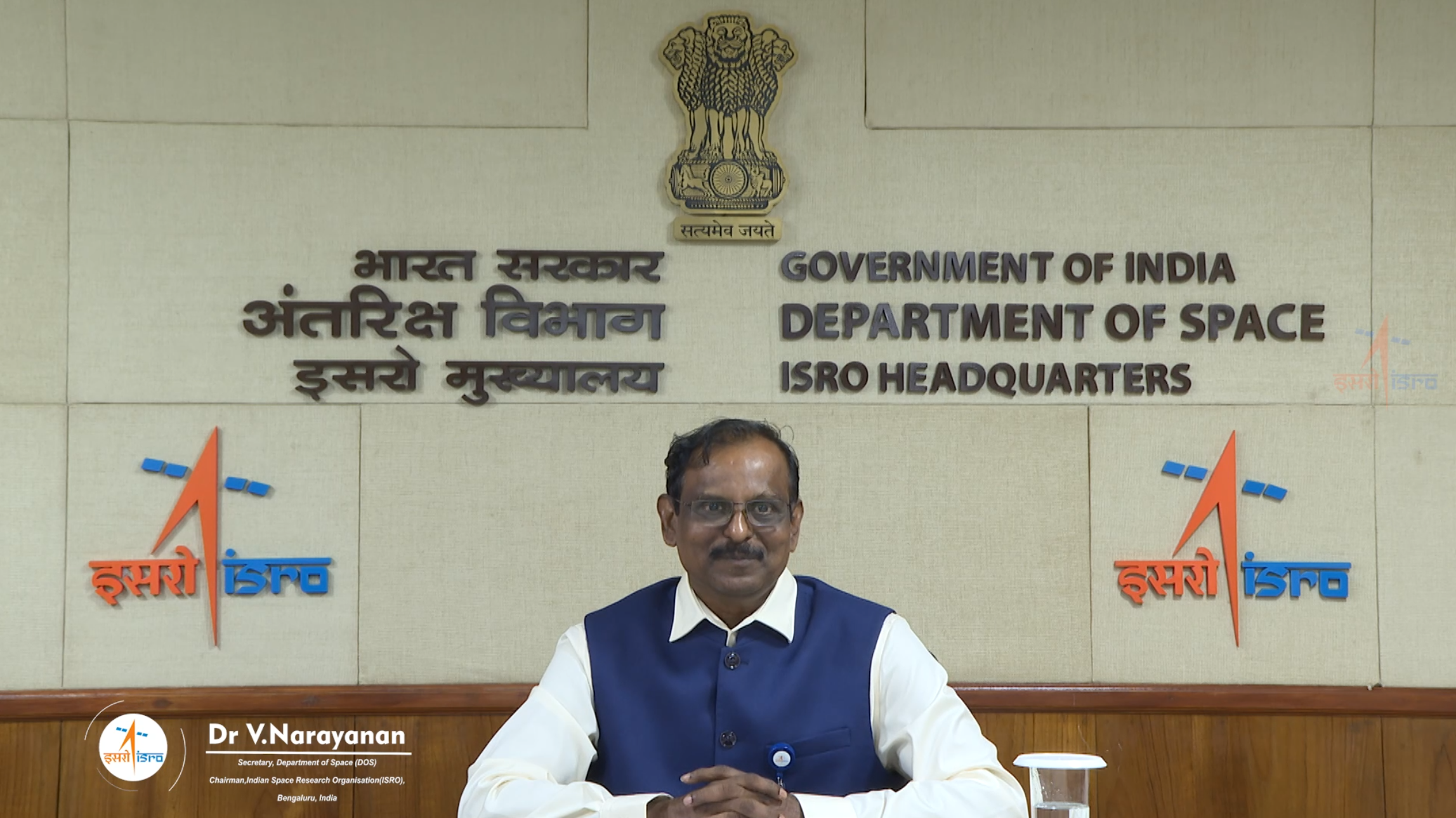
ISRO Chairman V Narayanan acknowledged the departures but sought to allay concerns over their impact on ongoing programmes, "Yes, a lot of people go, but that's part of every organisation. The move isn't only to retain, but also to ensure that important projects don't suffer all of a sudden. If someone is still going, someone else will take responsibility. We're taking care of it.”
With about 100 scientists quitting ISRO in various centres across the country, the Department of Space (DoS) issued a Memorandum of Understanding (MoU) on July 14, 2026, tightening the rules governing the resignation and voluntary retirement of scientists and engineers who are working on ongoing critical missions of national importance, like the Gaganyaan.
What is the Gaganyaan Mission?
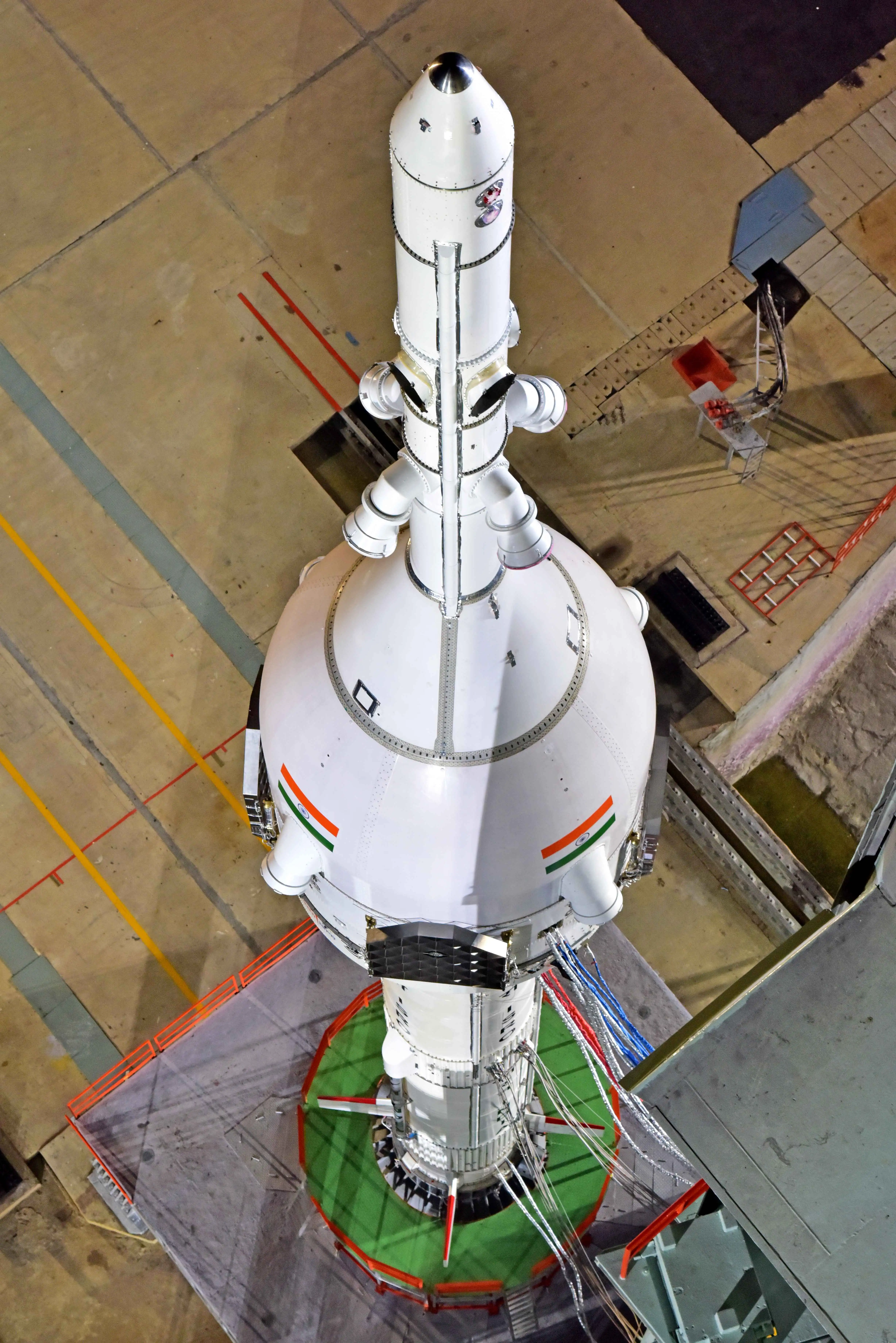
The Gaganyaan project aims to demonstrate a human spaceflight capability by launching a crew of 3 to an orbit of 400km for a 3-day mission and bringing them back safely to Earth by landing in Indian sea waters.
The prerequisites for the Gaganyaan mission include a human-rated launch vehicle built to carry astronauts safely into space. Establishment of an environment inside the spacecraft that mimics Earth’s atmosphere so the crew can breathe and survive. But also safety mechanisms for crew emergency escape provisions and evolving crew management aspects for training, recovery, and rehabilitation of the crew.
Various precursor missions are planned for demonstrating the Technology Preparedness Levels before carrying out the actual Human Space Flight mission. These demonstrator missions include the Integrated Air Drop Test (IADT), Pad Abort Test (PAT) and Test Vehicle (TV) flights. Safety and reliability of all systems will be proven in unmanned missions preceding the manned mission.
Crew Training for Gaganyaan
Before sending astronauts into space, ISRO is operating a series of test flights to train and prove all safety systems work properly. Astronaut Training Facility established in Bengaluru caters to Classroom training, Physical Fitness training, Simulator training and Flight suit training.
| Private Space Startups | ISRO/ Government Sector |
|---|---|
| Higher Compensation | Fixed Pay Scales |
| Faster Career Growth | Slower Promotions |
| Agile Decision-Making | Bureaucratic Processes |
| Performance Incentives | Rigid Financial Incentives |
Why the Manpower Shortage Matters to ISRO?
ISRO is executing its most complex projects such as Gaganyaan, Bharatiya Antariksh Station, Chandrayaan-4, Next Generation Launch Vehicle an interplanetary probes to Mars and Venus. Currently, with a vacancy of up to 27.8%, this creates immense operational stress, leading to potential delays and burnout.
When senior scientists who worked on Chandrayaan-3 or the Polar Satellite Launch Vehicle (PSLV)/ Geosynchronous Satellite Launch Vehicle (GSLV) launch vehicles leave for private startups, years of niche expertise leave with them. Fresh recruits cannot immediately replace decades of industrial flight-testing experience.
In space missions, single-point failures can destroy multi-million-dollar projects. High turnover and vacancies create risks of oversight in rigorous quality control, testing protocols, and project execution timelines.
India is the first country to successfully soft-land a spacecraft on the Moon’s South Pole. In Chandrayaan – 3(2023), the success was driven by a dedicated team of approximately 1,000 scientists, who analysed the Chandrayaan-2 failure.
India’s first attempt, under $74 million in 2013, for Mangalyaan (MARS Orbiter Mission) was powered by young engineers and women-led teams working round the clock.
The Polar Satellite Launch Vehicle achieved a world-record streak of successful commercial and scientific deployments, establishing India as a trusted global launch provider. All these projects underscore the credibility and importance of ISRO's workforce.
How Does NASA Handle Talent Mobility?
National Aeronautics and Space Administration (NASA) initiates collaboration with the private sector rather than competition. Instead of implementing harsh restrictions to block scientists from leaving, they establish structured frameworks to seamlessly exchange expertise, data, and personnel back and forth.
NASA Legislation launched a formal Public-Private Talent Exchange Program (PPTE) on September 3, 2025, within the agency.

This allows NASA employees to take temporary, short-term posts in the aerospace industry, while allowing private sector engineers to work directly inside NASA.
NASA embeds its own experienced engineering teams directly inside private companies like SpaceX to guide safety standards without absorbing or micro-managing the company. Unlike NASA, ISRO currently does not have a former public-private talent exchange programme with Private Indian aerospace companies such as Skyroot Aerospace or Agnikul Cosmos.
Recruitment Standards
ISRO and DoS launched a recruitment selection process for Scientist/Engineer still go through the standard multi-tier process: Computer-Based Written Test (CBT) conducted via the ISRO Centralised Recruitment Board (ICRB), followed by an intensive technical interview.
The Benchmark remains strictly enforced (minimum 60% aggregate or 6.32 CGPA in relevant engineering/master's degrees completed within duration, plus PhDs for specialised divisions).
With total vacancies estimated at over 1,000 to 1,600 scientific and technical posts due to expanding mission mandates (Gaganyaan, Bharatiya Antariksh Station) and industry attrition, aggressive intake is actively underway
Safeguarding India’s Space Ambitions
With India’s space ambitions expanding from Gaganyaan and Chandrayaan -4 to plans for the Bhartiya Antariksj Station, the biggest challenge right in front of ISRO extends beyond filling vacancies. Experienced scientific talent may prove just as critical as recruiting the next generation.
Latest News
- ◆NSE's $2.3 Billion IPO Draws Over $10 Billion In Bids
- ◆India-New Zealand Free Trade Pact To Take Effect October 20
- ◆Tata Group Governance Feud Deepens Over Chandrasekaran's Term
- ◆India Reaffirms Push For Constructive Ties With Bangladesh
- ◆Teen Gang-Raped Near Delhi Temple, One Suspect Held In Encounter