
Metro Lines Are Redrawing Delhi's Property Map
Delhi's upcoming Phase V(B) metro expansion is already reshaping real estate demand in neighbourhoods that have waited decades for rail connectivity
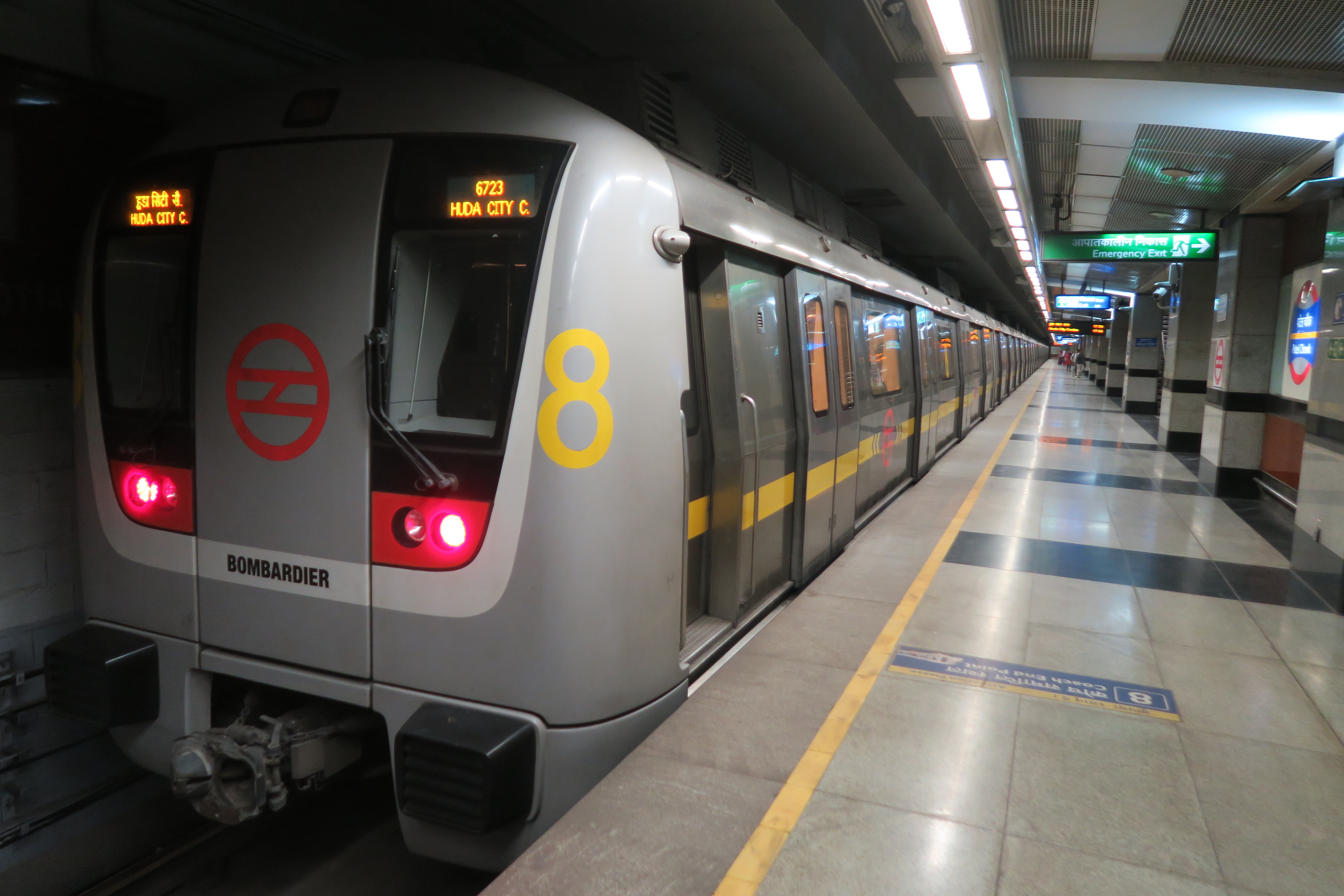
Even before a single track is laid, the Delhi metro corridor announcement is enough to stir up property prices. Phase V(B) — the capital's most geographically forward development since Phase IV — is repeating the trend.
After being long awaited, a new network has finally hit the ground
Phase V(B) has been sanctioned by the Delhi government on May 2, 2026, and includes 97.16 kilometres on seven corridors and 65 stations for areas that were not covered by metros in the past, such as Narela, outer-west Delhi, RK Puram-JNU belt in south Delhi, Gandhi Nagar in east Delhi and Mayur Vihar Phase III.
The Detailed Project Report has been placed before the Centre for approval by the Union Cabinet and, when approved, the four corridors are scheduled to be completed by 2029.
The trains follow the prices
The announcement effect appears to be in evidence in real estate data. The properties located around existing metro stations in Delhi tend to sell at 10-30% premium compared to those that are not located around stations; the value of residential land within 500 metres of stations has increased by an average of 11.3 per cent, while that of commercial land has increased by 18.1 per cent.
Burari, Yamuna Vihar, Rohini and Pitampura, which were not featured in the real estate dialogue of the city of Delhi, are now joining the list of places likely to witness any substantial rise in prices due to the strengthening of connectivity plans.
A Pattern that is playing out nationally
This is not unique to Delhi; analysts say that the market functions somewhat differently in the city as compared to other parts of India. A real estate market analysis noted that “Delhi is different from the corridors because the planning policy has a much more direct impact on deciding development, and when there is metro expansion, it doesn't necessarily mean the market is performing well” — a contrast with other metros such as Bengaluru or Pune, where employment hubs in the IT sector interact directly with transit announcements, creating demand.
Global Platforms Respond
Real estate advisories that accompany the Phase V(B) announcement caution against taking any chances: “Appreciation is gradual and usually peaks towards the time of the inauguration, not the proposal stage” and, as of June 2026, construction hadn't started, since the Cabinet has yet to approve the project.
However, Phase V(B) is a punt on the future connectivity of Delhi, which seems to be getting increasingly done for by property investors in the underserved corridors of the capital.
Latest News
- ◆Case Filed Against CJP Supporters over Unauthorised Shivaji Park Gathering
- ◆Israeli Strike on Gaza City Apartment Block Kills Five, Officials Say
- ◆India's Forex Reserves Fall $18.3 Billion in Record Weekly Drop
- ◆Kharge Urges Modi to Release ₹3,705 Crore Drought Aid for Karnataka
- ◆Voter-Roll Protests: Delhi Police Detain Hundreds, Register Three FIRs