
Tehran Mourns Slain Supreme Leader Khamenei
Millions gathered in Tehran as Iran began a six-day state funeral for Ayatollah Ali Khamenei, killed in the February 2026 US-Israeli strikes
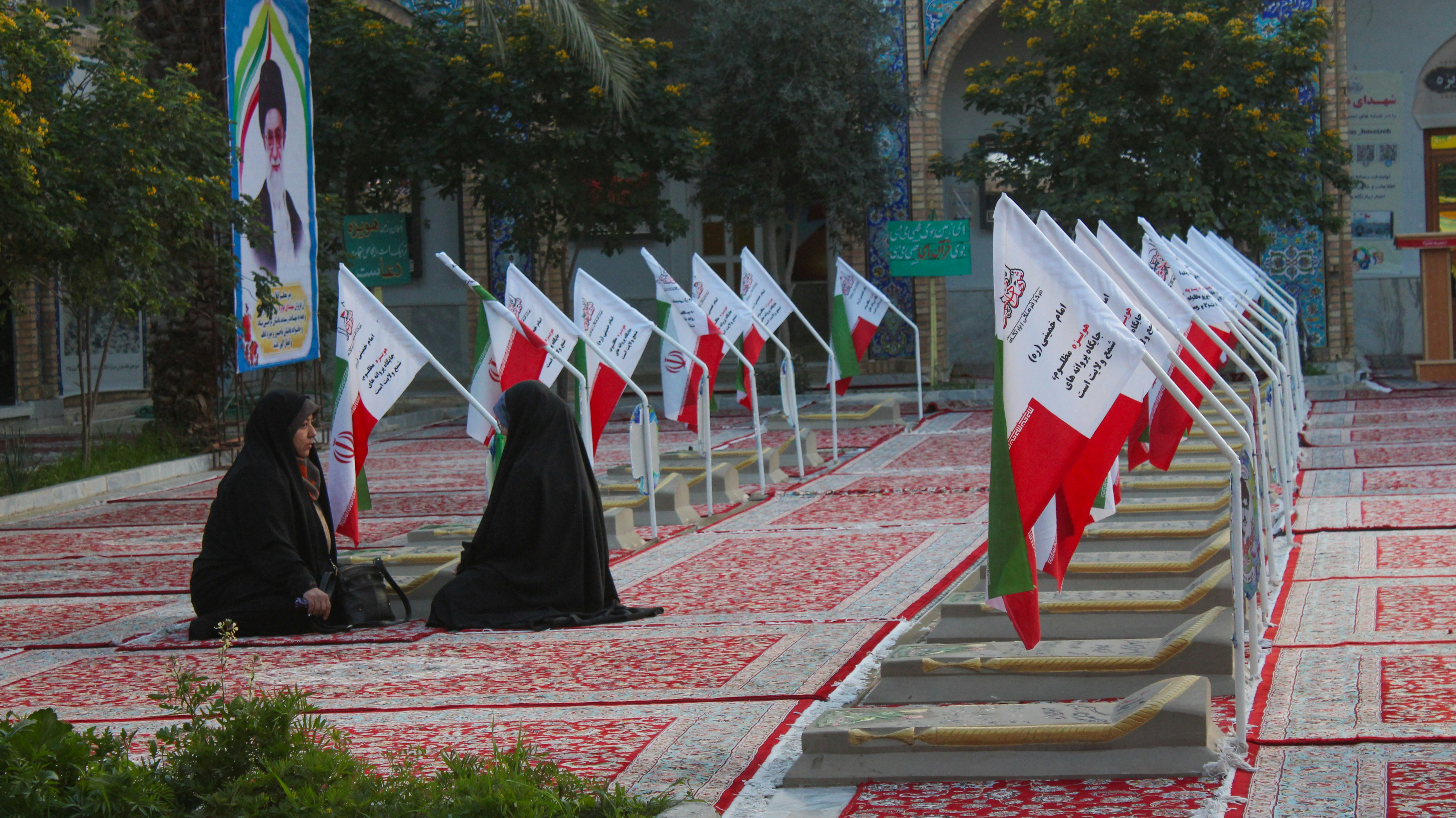
Synopsis
Nearly four months after Ayatollah Ali Khamenei's assassination in the US-Israeli attacks that launched the Iran war in 2026, Iran's six-day state funeral of Khamenei started on July 4. The funeral of his successor and son, Mojtaba Khamenei, has not yet been announced, as millions of mourners are likely to be present before his burial across Tehran, Qom, Najaf, Karbala and Mashhad.
A Delayed Farewell
On July 4, Iran started a dayslong state funeral for Ayatollah Ali Khamenei, the Islamic Republic's Supreme Leader who led the nation for almost 40 years until he was killed in a joint US-Israeli strike on Feb. 28, 2026, that kicked off the year's war with Iran.
The ceremonies have been postponed for months over the conflict and uncertainty surrounding his burial site, and are now set to take place from July 3 to 9 in Tehran, Qom and the Iraqi cities of Najaf, Karbala and ultimately Mashhad.
The Health Ministry estimated 15 million would be involved in the farewell and funeral ceremonies in the next two to three days, the semi-official Tasnim News Agency said, though it did not provide details on how the figure was arrived at.
Preparations, the ministry said, had been under way for a month, with temporary hospitals set up near Tehran's Imam Khomeini Grand Mosalla.
Grief and calls for retaliation
The mourners at the Grand Mosalla voiced their suffering and demands for revenge. “We will definitely take our revenge for his blood,” said Arash Rahimi, 40, one of the mourners, to Reuters.
All of you here are here to avenge the blood of your Supreme Leader... we have had a blood feud with the United States since day one... our relationship with the U.S. will never be good.
Some portrayed the experience of their loss in their own lives. Hamid Teimori of Iran's Hamadan Province told reporters that he had a strange feeling: “I didn't cry as much as I cried when the Supreme Leader was martyred, when my father died.”
An Absent Successor
The funeral, which was planned to show the continuity and strength of the Islamic Republic, has been noteworthy for one thing: the absence of Khamenei's son and successor, Mojtaba Khamenei, from public appearances since his father's death.
He has been reported to have sustained serious injuries, including to his leg and face, in the strike which killed his father, mother and wife.
. Iran's challenges now lie in governance, "deep economic issues, substantial social discontent, the danger of renewed conflict and a relatively untested — and as yet still unseen — new Supreme Leader," said Naysan Rafati, Iran's senior analyst at Crisis Group.
The political aspect of the funeral has been described quite honestly. "This is basically a political event portrayed as a religious one. It's meant to give the appearance of legitimacy at home and deterrence on the outside,'' Middle East Institute's Alex Vatanka told CNBC.
Negar Mortazavi, of the Center for International Policy, had a similar assessment in TIME: "The message is that the institutions of the Islamic Republic are intact and the state continues even while the leader is gone.
Greater security and regional stakes
In advance of the ceremonies, the Islamic Revolutionary Guard Corps (IRGC) threatened any attempts to target the state with a "decisive and more crushing response than ever before.
Iran also threatened the United Kingdom and France with military action if they were to move troops to the Strait of Hormuz, where they would be joining in what it called a freedom of navigation operation.
Guest speakers have included the delegations and leaders of Afghanistan, China and Turkmenistan, as well as leaders and delegations from Iraq, Oman, Serbia, Qatar and Cuba, and the Pakistani Prime Minister Shehbaz Sharif.
Outlook
The issue of whether Mojtaba Khamenei can become the new Supreme Leader of Iran is a critical one for the near future of the region as the funeral ceremonies draw near to their end in Mashhad, which is facing economic difficulties, war fatigue and an inexperienced leadership.
Latest News
- ◆Delhi High Court Dismisses Riots, Jamia Pleas Seeking Independent Probes and FIRs
- ◆Supreme Court Refuses to Cancel Bail Over Accused's 'Money and Power' Video
- ◆Supreme Court Declines to Suspend CEC Gyanesh Kumar, Seeks Responses on Decision-Making
- ◆Case Filed Against CJP Supporters over Unauthorised Shivaji Park Gathering
- ◆Israeli Strike on Gaza City Apartment Block Kills Five, Officials Say