
The Politics of the Plate in Urban India
Veganism and vegetarianism in India are increasingly read as caste and class markers, complicating claims that either diet is a neutral personal or ethical choice
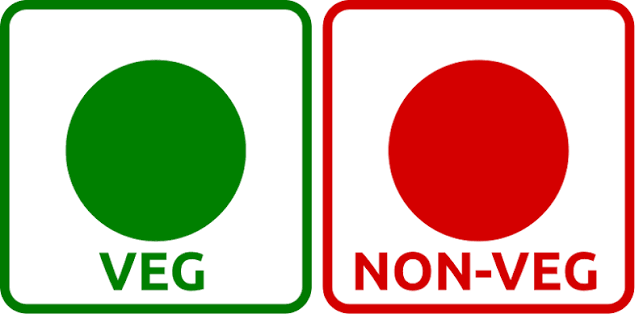
Synopsis
India is the quintessential vegetarian country, but the statistics gathered from the country indicate that a majority of Indians consume meat. However, vegetarianism continues to have disproportionate cultural sway, based on upper-caste purity concerns, and a newer, urban, veganism movement is taking shape as a class-based identity marker for wealthy Gen Z shoppers.
What is actually revealed by the Data?
There is a huge gap between popular perception and the reality of Indian diets. According to a survey by Pew Research Center in 2021, approximately 40 per cent of Indian adults were vegetarian, and 80 per cent of the Indian population, aged 15-49, ate meat in some form during the period of the National Family Health Survey in 2021.
The proportion of non-vegetarian males increased by five per cent in NFHS-5 (2019-21) to 83.4 per cent, whereas women's share of non-vegetarians was almost unchanged at 70.6 per cent.
In fact, among younger Indians there was more nuance: a large survey of approximately 3,000 young adults aged 18-30 found 32 per cent were omnivores, 34 per cent vegetarian, 21 per cent flexitarian, and six per cent vegan.
Caste, Purity and the Vegetarian Myth
The cultural value attached to vegetarianism can be traced back to purity rules of the caste. Indian food habits, especially among upper caste Hindus like Baniyas and Brahmins, who historically embraced vegetarianism as a symbol of ritual purity and social status, foster the image of India as a vegetarian nation, as cited in a 2025 report by sociologist Kiranmayi Bhushi.
This has tangible, material consequences. Rental refusals by urban landlords for their Muslim tenants, often because of their dietary requirements, have been discovered to further marginalise Muslims and Dalits and multiple cases of this have been found during investigations into instances of housing discrimination.
Veganism is a new and different statement
Under the guise of young vegans' acting with ethics and choice, and in the name of an alternative food system, vegetarianism, which is often considered a family legacy, is presented as a break, a refusal, a radical commitment to an alternative food system.
A 24-year-old adopter of the diet, Ujjal Chakraborty says that veganism in India is still a recent phenomenon and is often mistaken for being a caste-based vegetarian practice and that it is driven by the principle of giving back to the environment, and not their caste.
However, scientists warn against the veganism being simply a progressive marker. In a 2025 Faunalytics study, high income was correlated with higher openness to veganism among Gen Z Indians who lived at home, both of these factors being associated with greater openness to the diet, which implies that it serves as a status marker for the already privileged, ‘General Category' of Indians.
The very same scientists explicitly state that marketing this lifestyle as “plant-based” would inflict damage on the animal rights movement in India because vegetarianism and veganism in general are often seen as upper-caste behaviours and carry regressive, not progressive, meaning.
A Contested Middle Ground
A complication that is raised by critics on other sides of the debate is access to nutrition. Others, however, say that refusing to accept the nutritional and economic needs of a major segment of the population and excluding animal products from the diet is an initiation of an ethical-technological movement for people who are wealthier in urban areas.
Outlook
The result is not just a traditional/modern binary, but a multifaceted narrative that revolves around choice, caste history, income and generation. But as India's plant-based market grows commercially, a question that will likely be hard to answer with market growth is who will eat what and what that means about who has status or who doesn't.
Latest News
- ◆Delhi High Court Dismisses Riots, Jamia Pleas Seeking Independent Probes and FIRs
- ◆Supreme Court Refuses to Cancel Bail Over Accused's 'Money and Power' Video
- ◆Supreme Court Declines to Suspend CEC Gyanesh Kumar, Seeks Responses on Decision-Making
- ◆Case Filed Against CJP Supporters over Unauthorised Shivaji Park Gathering
- ◆Israeli Strike on Gaza City Apartment Block Kills Five, Officials Say