
Typhoon Dolphin Pushes Deep Into China, Threatens Beijing
After evacuating over a million people on the coast, the storm's remnants bring extreme rainfall risk to Hubei and China's capital
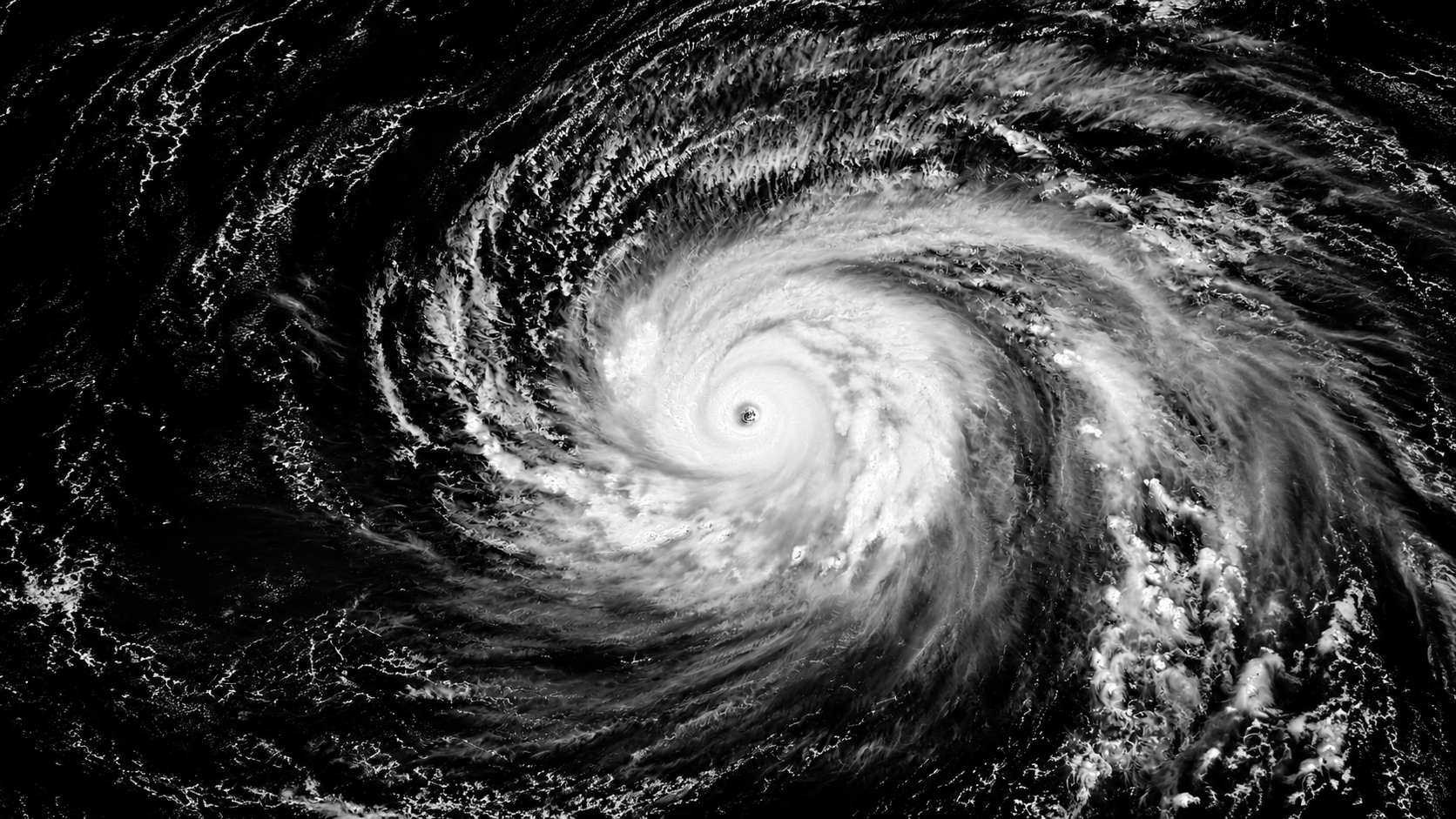
Synopsis
The strongest typhoon of this year, Typhoon Dolphin, has hit China's land, causing flood warnings in Hubei province, and now Beijing. Over one million were evacuated along the eastern seaborse before the storm's remnants turned back to the North, bringing with them very heavy rainfall and landslides.
The strongest storm in China this year
Typhoon Dolphin tracked deeper inland Tuesday, heading for the central Chinese province of Hubei where it filled streets, shut down tourist sites and blocked construction sites, as weather experts predicted torrential rain in a wide region of the country.
This year's strongest typhoon, Dolphin, had an unusually resilient storm system that tracked almost 6,000 km before hitting land over the weekend, showering the eastern Chinese coastline with a wide-spread cloud field.
A Massive Evacuation Effort
Typhoon Dolphin made two landfalls over eastern China on Aug 9, bringing strong winds and heavy rainfall to communities and causing transportation chaos in Zhejiang Province. Over 1 million people were evacuated from areas in the path of the storm and over 1,000 flights were cancelled in Shanghai alone.
Beijing has been bracing itself for a historic rain event
The extent of the storm has spread up to 1000km north of Hubei to Beijing. The four districts on the fringes of the capital put their highest emergency flood response measures into action as the city prepares for the arrival of more than a third of its yearly rainfall to tumble down on the land in 24 hours.
Hubei is a manufacturing hotspot in China that's under threat
Hubei, where over 58 million people live and where there is a high concentration of manufacturers in the car and high-tech electronics sectors, was just emerging from 2 rare tornadoes last month following Typhoon Maysak, which claimed at least 11 lives.
The National Meteorological Center Tuesday issued an orange alert for heavy rain, the second-highest warning level in China, predicting up to 9.8 inches of rain in 24 hours for northwestern Hubei province. The cities of Xiangyang, Huanggang and Suizhou were among those hit by a yellow warning, which indicates a high risk of flooding and landslides.
An Expert's Explanation
The peripheral airflow of Dolphin will be forced to rise when meeting the mountains in the western part of Hubei, it will cause precipitation to increase several times, said Wang Xiaoling, deputy director of the provincial meteorological observatory.
As the storm tracked moisture northward, a red "flash flood" alert was issued in neighboring Henan province, calling for up to 350 mm of rain in places by Wednesday afternoon.
Scenic Sites Closed, Work Halted
Scenic sites throughout the province have declared temporary closures, including Yichang's Three Gorges Dam tourist zone, which is a popular destination. The storm in Xiangyang was seen causing a wide array of problems, with pedestrians having to cross streets that were submerged in water and shared electric scooters being partially underwater.
Regional Ripple Effects
Heavy to torrential rain was expected to affect at least 10 provinces and municipalities, including Zhejiang, Shanghai, Jiangsu, Anhui, Hubei, Henan, Shandong, Hunan, Jiangxi and Fujian and the remnants of the storm would extend further north towards Beijing, Tianjin and Hebei and trigger additional flash floods, landslides and urban flooding risks, Chinese forecasters said.
In addition to the immediate humanitarian concern, this level of disruption to Chinese manufacturing in the regions is able to affect the world's supply chains, with Hubei being home to automotive and electronics manufacturing.
Latest News
- ◆Delhi Approves DURGA Scheme for 1,300 Pink E-Autos for Women, Transgender Drivers
- ◆Black Sea Disruptions Push Bangladesh Back to Indian Wheat After Four-Year Gap
- ◆Microsoft's Hyderabad Cloud Region Opens as Telangana Targets 5 GW of Datacentres
- ◆Gold Slips in India as Firm Dollar and Fed Rate-Hike Bets Weigh
- ◆Rupee Slips to One-Week Low as Oil Rally Revives Global Rate-Hike Fears