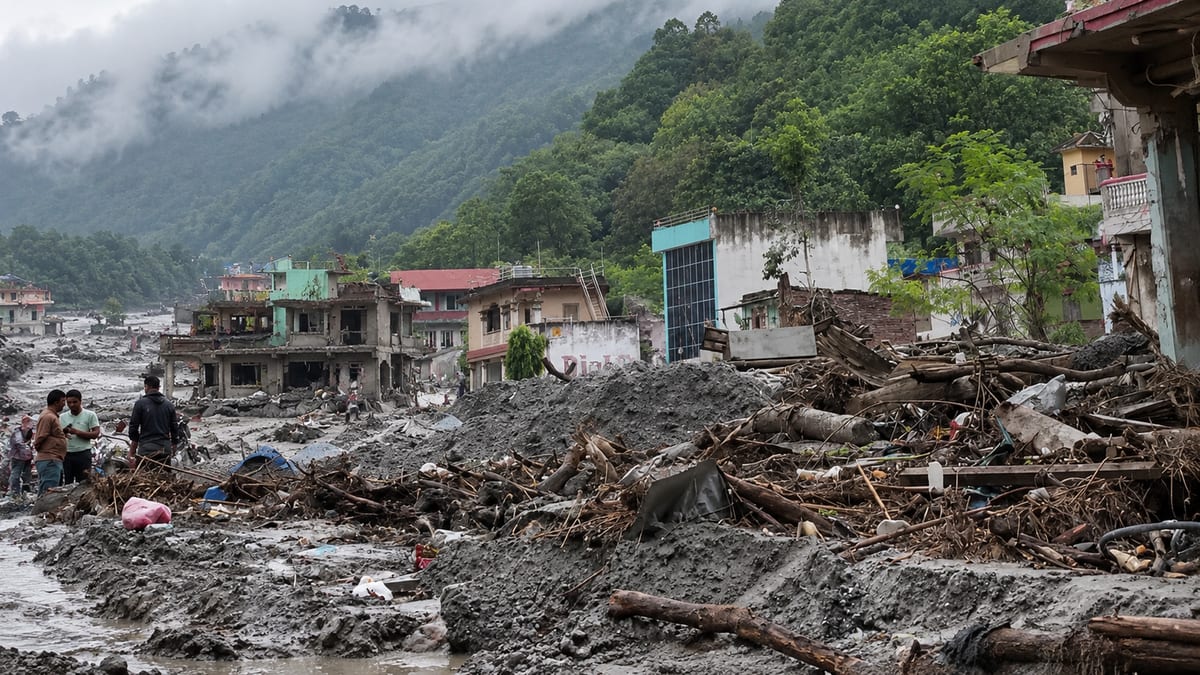
What Is Cyclone Arnab and How Is It Affecting India?
Cyclone Arnab: Five Dead in Andhra, Crops Hit Across 14 Districts as Storm Weakens Inland
Synopsis
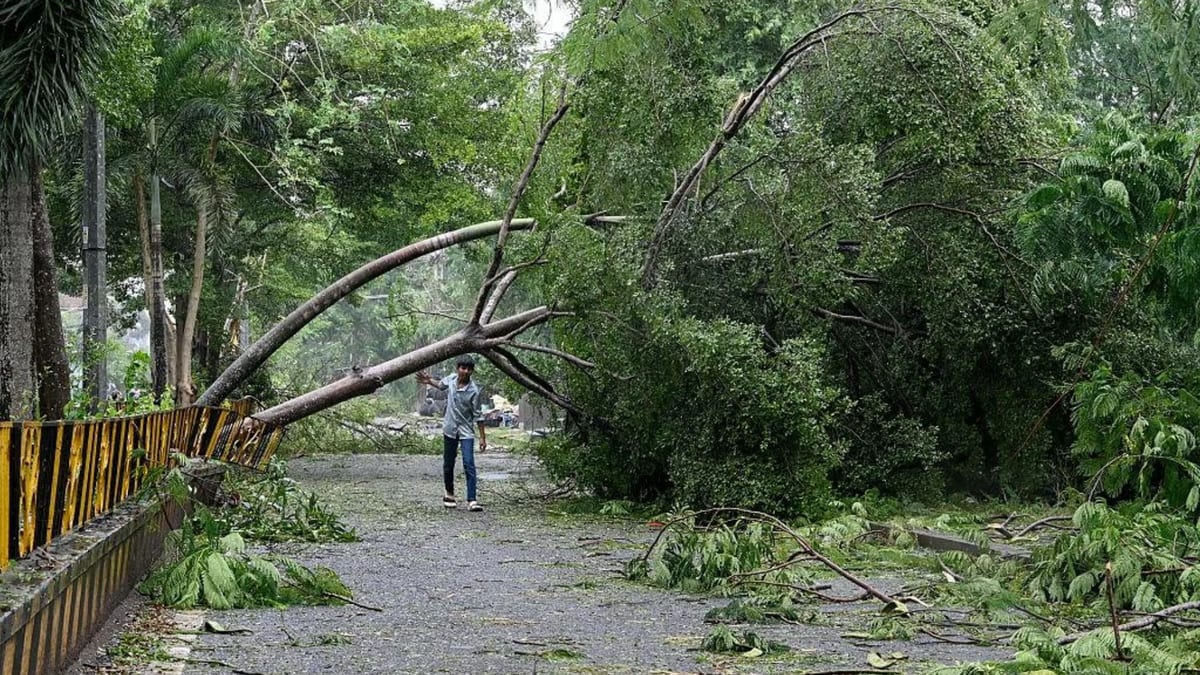
Cyclone Arnab began forming over the Bay of Bengal and struck the Andhra Pradesh–Yanam coast as a very severe cyclonic storm, with winds of up to 135 kmph. It has killed five people in Andhra Pradesh, uprooted about 15,000 electricity poles and damaged crops across numerous districts. Odisha evacuated over 30,000 people; trains and flights were disrupted, and rain reached Telangana. The system is weakening as it moves towards Chhattisgarh.
What Is Cyclone Arnab?
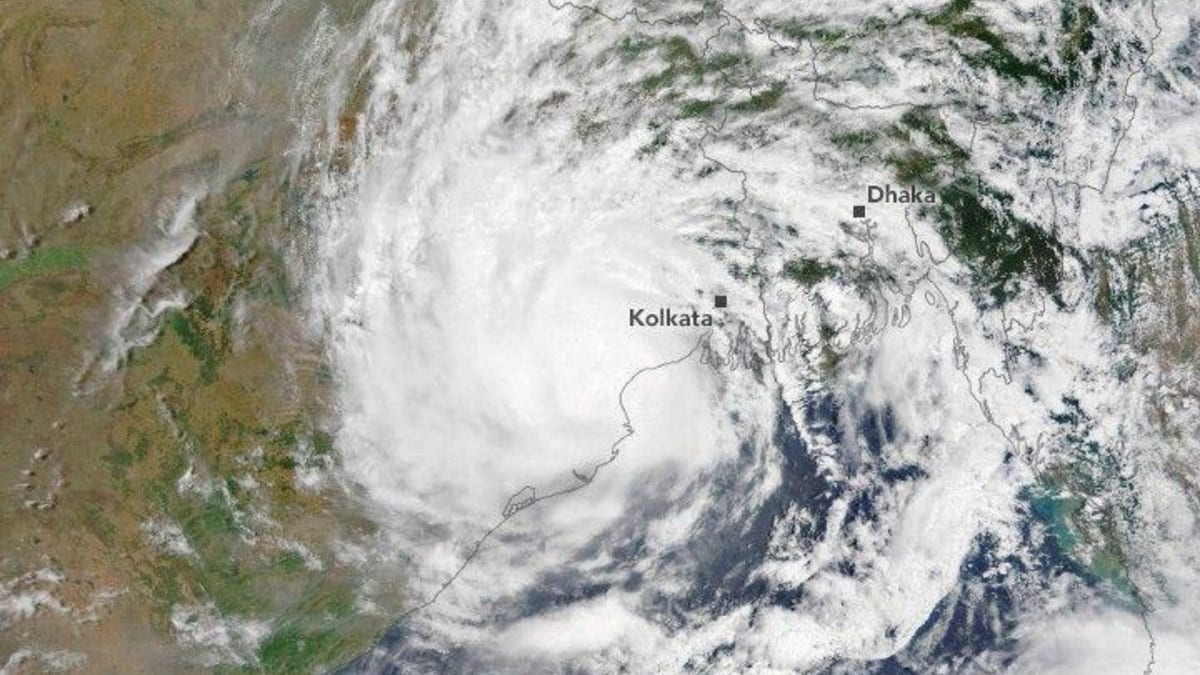
Cyclone Arnab began as a low-pressure depression over the east-central and south-east Bay of Bengal. It then strengthened into a deep depression and reached very severe cyclonic storm strength before crossing the coast. The name ‘Arnab’ was supplied by Bangladesh and means “ocean” in Bengali. The India Meteorological Department (IMD) assigns names from a rotating regional list once a system reaches cyclonic storm strength.
The IMD grades storms by wind speed. A cyclonic storm packs 62–88 km/h, a severe one 89 117 km/h, and a very severe one 118–165 km/h. Above that come extremely severe and super cyclonic storms. Arnab crossed the coast between 2 a.m. and 8 a.m. on Wednesday, October 28, 2026 with sustained winds of 125–135 km/h, squaring away in the “very severe” category. It weakened to a severe cyclonic storm around 8:30 a.m. and is expected to decay into a deep depression as it moves inland.
The Bay of Bengal’s Cyclone Season
Arnab is the latest in a long line of storms that have struck India’s east coast, mostly in the post-monsoon months of October and November, when warm seas and shifting winds favour their development. On average, two to three tropical cyclones make landfall in India each year, and about one of them is severe or stronger.
The region’s history is sobering. A cyclone that hit Calcutta in 1864 is estimated to have killed around 60,000 people. More recently, Titli (2018) devastated Odisha and Yaas (2021) made landfall near Balasore. Mandous (2022) came ashore near Chennai. What separates those eras is warning time: today’s track forecasts, mass evacuations and cyclone shelters are why a storm of Arnab’s strength has cost five lives rather than thousands.
Andhra Pradesh: Lives, Power and Farms
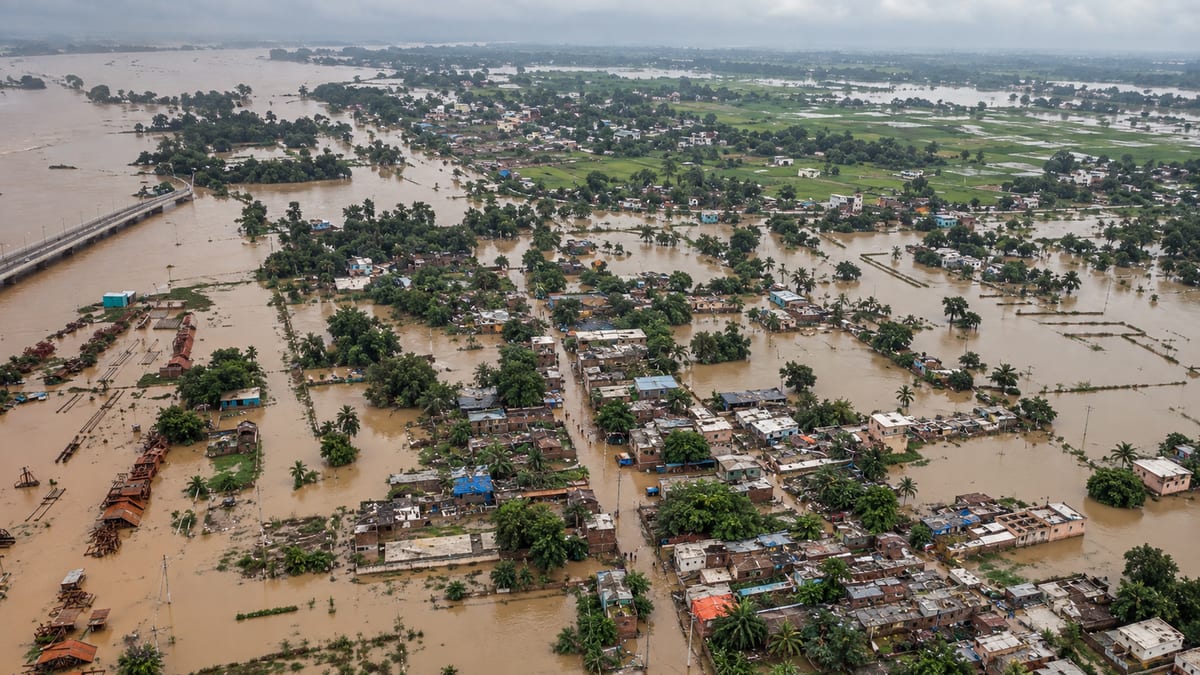
Andhra Pradesh CM N. Chandrababu Naidu said three people died in Visakhapatnam district when electric poles and trees fell, with one death each in Anakapalli and Bhimavaram. He announced ₹5 lakh ex gratia for each family. The damage was concentrated along the Godavari delta coast, including Konaseema, Kakinada, East and West Godavari, Krishna and Anakapalli, and four wards of Visakhapatnam were flooded.
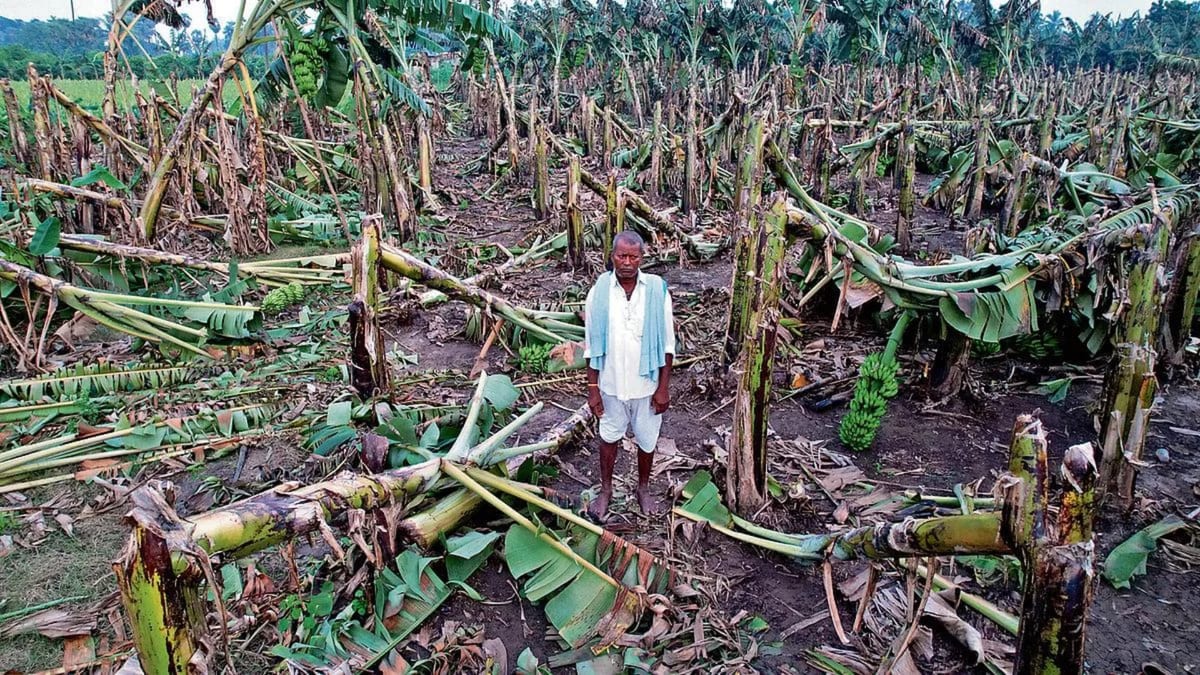
The economic impact falls mainly on power and farming. About 15,000 electricity poles were uprooted, and standing crops across 2,24,489 hectares in 14 districts were inundated or damaged, affecting around 3.45 lakh farmers. The Andhra Pradesh government announced ₹25,000 per hectare for cotton and sugarcane and ₹15,000 per hectare for banana, with further relief under standard norms. Naidu has asked Union Home Minister Amit Shah for an early central assessment team, and the figures remain provisional.
Beyond the Coast: Odisha, Transport and Telangana
Odisha evacuated over 30,000 people and deployed 313 response teams. The IMD issued a red alert for six southern districts, and Mahendragarh in Gajapati recorded 249.9 mm of rain. Officials reported uprooted trees but no major damage or casualties. Trains were cancelled across coastal Andhra, and Chennai and Hyderabad flights to Bhubaneswar were rerouted over Raipur to avoid Visakhapatnam airspace.
The storm’s moisture is travelling far inland. Khammam and Bhadradri Kothagudem in Telangana recorded light to moderate rain, which worries farmers whose kharif cotton and paddy are ready for harvest. The Met department has also forecasted rain and snow in Himachal Pradesh from October 29 to 31, showing how a Bay of Bengal storm can disturb weather thousands of kilometres from where it made landfall.
Preparedness and the Road Ahead
The response has been a coordinated one. Andhra Pradesh deployed 16 NDRF and 11 SDRF teams, moved over 28,000 people to shelters and brought all fishing boats back to harbour. Odisha did the same with its boats. Telangana has offered personnel and materials for power restoration, and Naidu has said relief teams will stay in place until the threat from rain and storm surge passes.
The coming days will test recovery more than response. Power restoration, crop surveys and clearing of roads will decide how quickly normal life returns, and farmers’ losses are likely to be the longest-lasting damage. As Arnab fades into a deep depression, heavy rain over southern Odisha and Chhattisgarh remains the main risk, and the final damage figures are still to come.
Read More

Clashes Erupt Over Proposed Mega-Dam Project
Gandak Reaches Record 91.25 Metres, Breaching Embankments in Bihar and Uttar Pradesh