
Is Food Becoming the New Battleground for Religious Nationalism in India?
From telling vendors to rename “veg biryani” to asking customers to check the religion of the person selling it, food politics is getting a little too close to our plates
Synopsis
Ever ordered biryani and had it served with a side of religious politics? In Haridwar, religious leaders have campaigned to rename ‘veg biryani’ as ‘veg pulao’, while Varanasi has banned the sale of meat during religious festivities. On the other hand, posters have surfaced in Siliguri, urging people to buy biryani and meat from Hindu-owned shops. It may seem very petty, But together, these incidents have raised a bigger question: when does religious sentiment stop being a personal belief and start influencing what others can eat, sell and serve?
Sorry, Your Biryani Has the Wrong Name
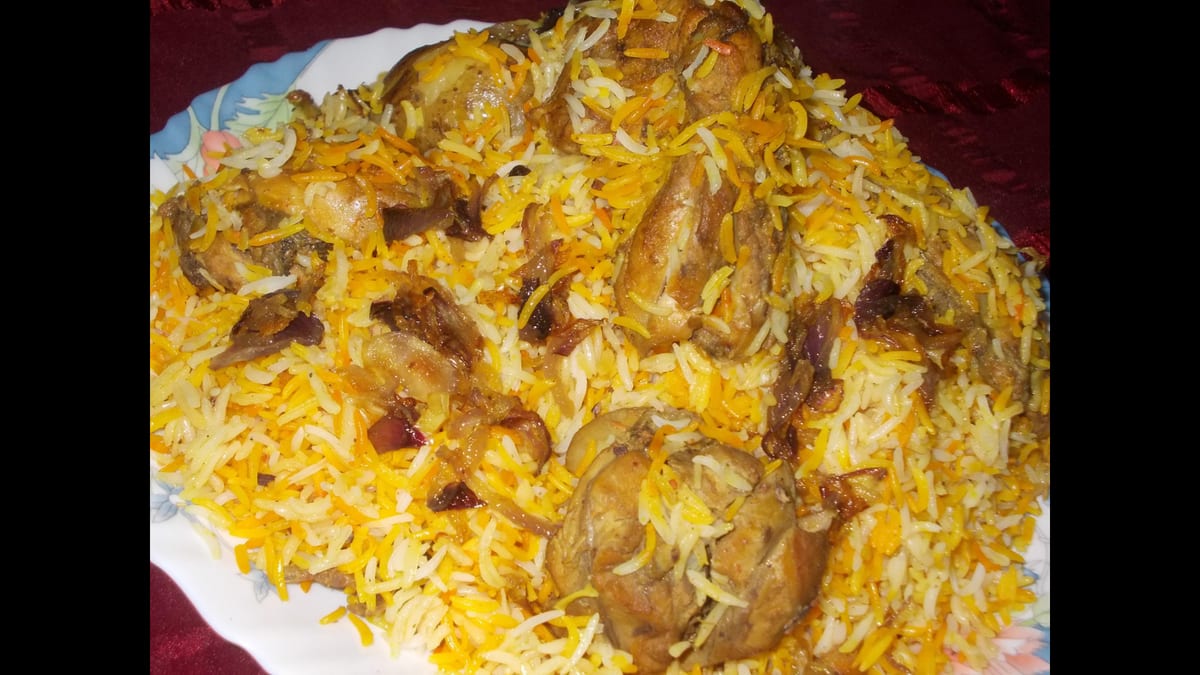
Imagine you are selling the perfect vegetarian plate of rice, or so you thought. You think maybe there’s something wrong with the food, but that was never the problem; it was what you have written on your menu. In June 2026, members of the Akhand Parashuram Akhara, led by its president, Pandit Adheer Kaushik, campaigned in Haridwar to replace “veg biryani” signboards with “veg pulao”. Stickers were placed over existing names, and vendors were urged to change their signage. The reasoning? The word biryani was considered inconsistent with Haridwar’s religious and cultural image, because of biryani’s associations with Muslim culinary traditions.
Although here is a slightly awkward plot twist: pulao also has Persian roots. The distinction is not quite culturally clear as its supporters might imagine, though. Both dishes have long histories of adaptation across various kitchens and communities. The controversy is therefore about more than rice, spices or cooking methods. It raises a question about who gets to decide which words belong in a city, and whether a dish’s cultural significance can be questioned simply because its name carries a particular history.
The Menu Has Entered the Culture War
Indian food has always carried more than flavour. Recipes that have travelled with migrants, across families, and along trade routes, with centuries of cultural exchange. Indian food is full of these shared histories, from regional biryanis to dishes that may have changed ingredients or techniques, but remain traditionally rooted. Food can also become a trailer for an identity, allowing people to show who belongs where, what traditions they value and what they consider their culture. That is what makes a fight over a menu surprisingly telling.
The Haridwar campaign also shows how symbolism can convert personal preference into public pressure. Nobody is being asked to change the ingredients of a vegetarian dish; vendors are just being asked to change the language used to sell it. That difference matters. Religious communities have every right to follow their own dietary practices, but deciding what is eaten by whom is not the same as deciding what everyone else should call their food. When even a signboard becomes a test of cultural loyalty, the argument is no longer just about a dish.
Varanasi: When the Menu Meets the Municipality
Varanasi brings a more complicated argument to this debate. In October 2026, the Varanasi Nagar Nigam ordered meat, fish and poultry shops across the city to remain closed during Navratri, from October 11 to 19. Dr Vijay Amritraj, the municipal corporation’s veterinary and welfare officer, said that the directive was intended to respect devotees’ sentiments.
The city also has restrictions around Shri Kashi Vishwanath Dham. For vendors, however, an order like this means lost business, regardless of whether they personally celebrate the festival or not. There is an important point here, though: not every restriction on food sales has the same purpose. A separate order prohibited the sale and cutting of meat and fish within a 20-to-30-kilometre radius of Namo Ghat from October 19 to 26, around the Indian Air Force’s 94th-anniversary aerial display.
Municipal commissioner Himanshu Nagpal cited the need to prevent bird strikes and maintain safety around the event. As of October 25, 2026 that restriction was still in effect. The two orders cannot be named under the same category because one cited religious sentiments, while the other cited aviation safety.
Apparently, Even Your Biryani Seller Needs a Background Check
In October, Siliguri took the conversation from what people eat to whom they buy it from. Posters were put up by the Hindu Jagaran Manch ahead of Durga Puja that urged people to buy meat, biryani and other festival goods from Hindu-owned shops. That one message made everything particularly clear: people could continue eating biryani, but were encouraged to buy it from Hindu-owned businesses. This campaign was said to be designed as a way to promote Hindu unity rather than a directive.
The incident exposed another layer of politics being incorporated with food: the religious identity of the person preparing the meal. A customer choosing a restaurant based on taste, price or hygiene makes an ordinary informed consumer decision, but encouraging customers to investigate a seller’s religion adds a communal filter to that decision. Supporters may frame this as economic solidarity, but people have also questioned what would happen when such everyday small choices would end up making a bigger decision of drawing boundaries between communities. Apparently, here, the biryani can stay. The person making it is what needs checking.
Who Gets a Seat at India’s Table?
It would be easy to dismiss such incidents as pettiness or isolated controversies. However, collectively they show how food can act as a stepping stone to bigger arguments about one’s faith. Of course, the context matters; the controversy may consist of renaming a dish or maybe closing a shop, but the instinct and the requirement to convert a measly food dispute into a matter of religious identity is not something that cannot be as easily ignored as a shop closing.
India’s food culture is so diverse that it can never be constricted to one plate. Dietary practices vary across regions, castes, within the same religious community, and even within the same families sometimes. Respecting someone’s decision to eat vegetarian food, avoid meat or observe a festival also means that one cannot treat another person’s diet or livelihood as a threat. After all, a meal should not need a religious identity card. And a plate of rice should not have to prove where it belongs before anyone is allowed to enjoy it.
Latest News
- ◆PM-KISAN’s 24th Instalment Sends ₹18,690 Crore to 9.34 Crore Farmers
- ◆Heavy Rain Brings Delhi Its Cleanest October Air Day in Four Years
- ◆Reliance Industries Posts Record Quarterly Profit of ₹29,550 Crore on Refining Strength
- ◆Jio Platforms Reports 13.7% Profit Growth in First Results After Listing
- ◆Brent Crude Settles at Six-Month High of $117.64 After Hormuz Tanker Attack
Read More

From Jane Austen to Jenny Han: How Literature Reflects Changing Human Relationships
Nine Nights for the Goddess, What About the Other 356 Days?